The Collectible Design of La Gorce Circle: An Interview with Jessica Iwaniec
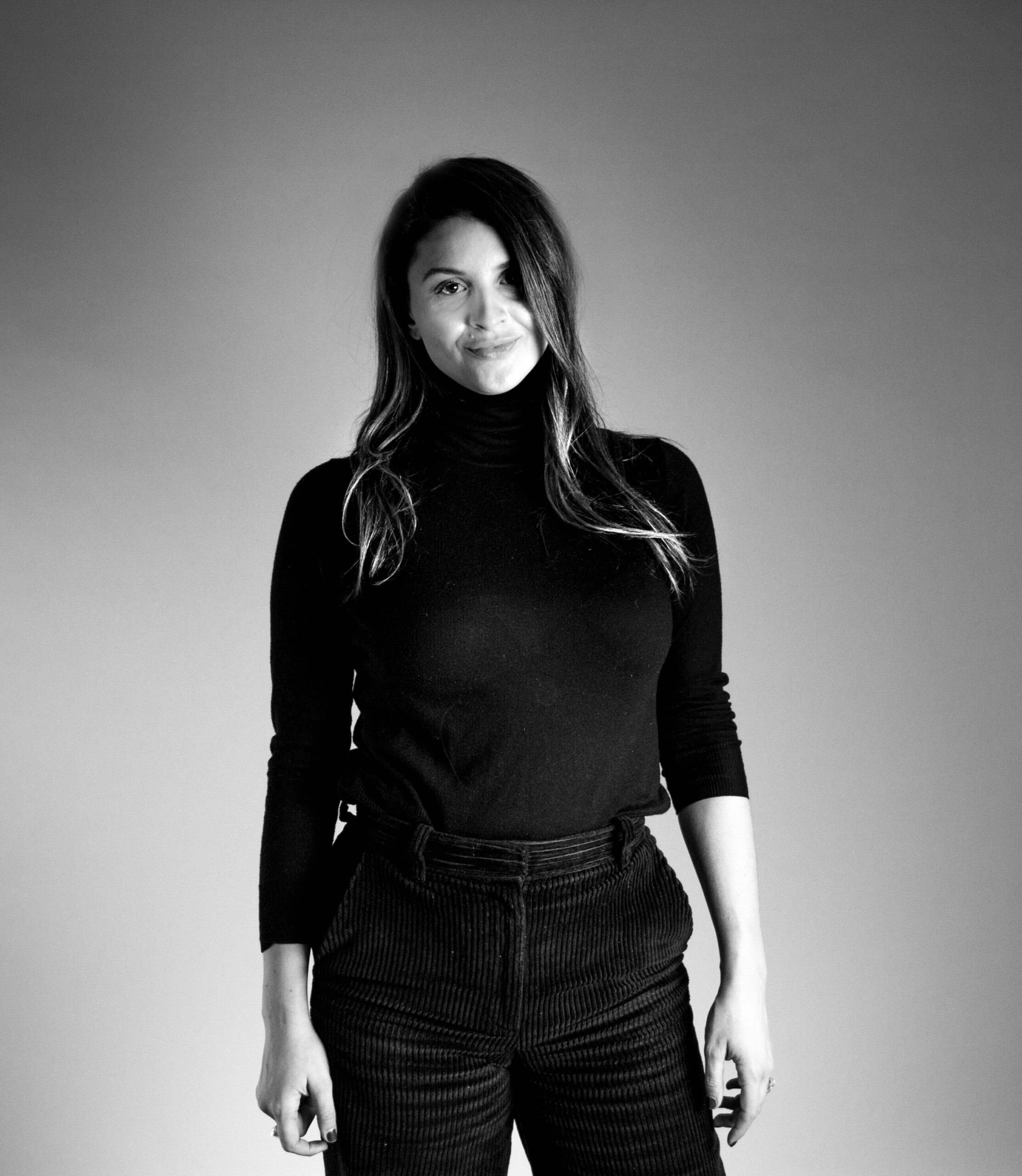
Collectible design requires both curatorial vision and deep knowledge of craft, provenance, and materiality. To delve deeper into how to create a thoughtfully collected interior, we sat down with Jessica Iwaniec, Design Director at Pembrooke & Ives.
Jessica’s approach is informed by her academic background in the history of decorative arts and her collaborative work with notable designers and galleries. In this conversation, she discusses our La Gorce Circle project and shares her perspective on sourcing exceptional pieces, guiding clients through the collecting process, and building interiors that feel both personal and enduring.
What was the client’s objective for this project?
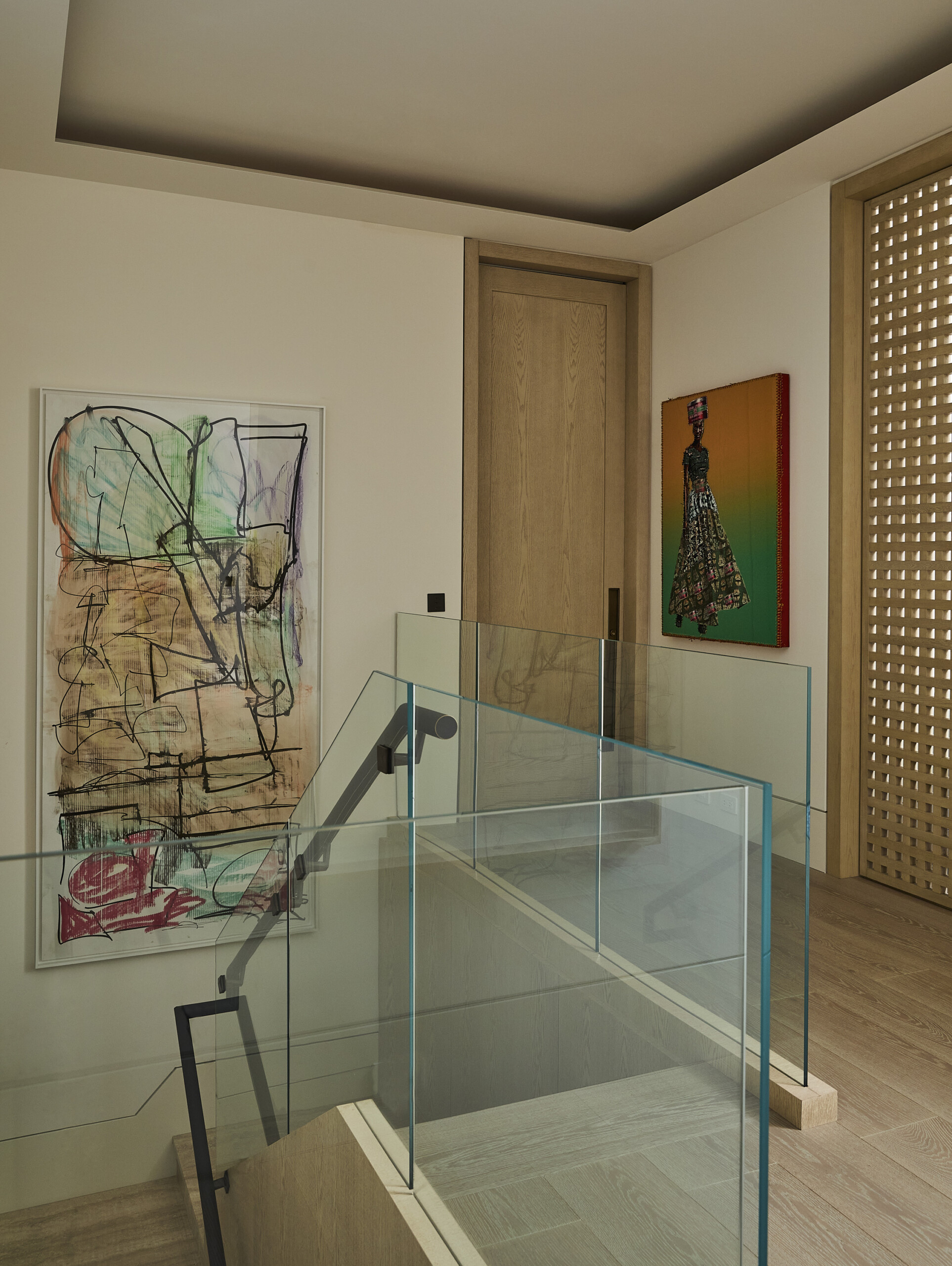
As a family with three young children, the clients sought a tasteful home that balanced beauty with everyday functionality. They approached the project with a strong appreciation for art and an established collection, which we were able to build upon together specifically for this home. Collectible design was a new realm for our client, so part of our role was to help guide them, introducing exceptional designers and artisans from across the world and helping them build a thoughtful, cohesive collection of pieces that complemented their art.
What was the overarching design concept?
The project ultimately became about identifying pieces that resonated with our clients on a personal level rather than adhering to a prescribed aesthetic. Much like their approach to collecting art, the client embraced a bolder direction, resulting in an incredible assemblage of contemporary and collectible design objects that feel very personal and intentional.
In what ways did the home’s waterfront setting influence design decisions throughout the home?
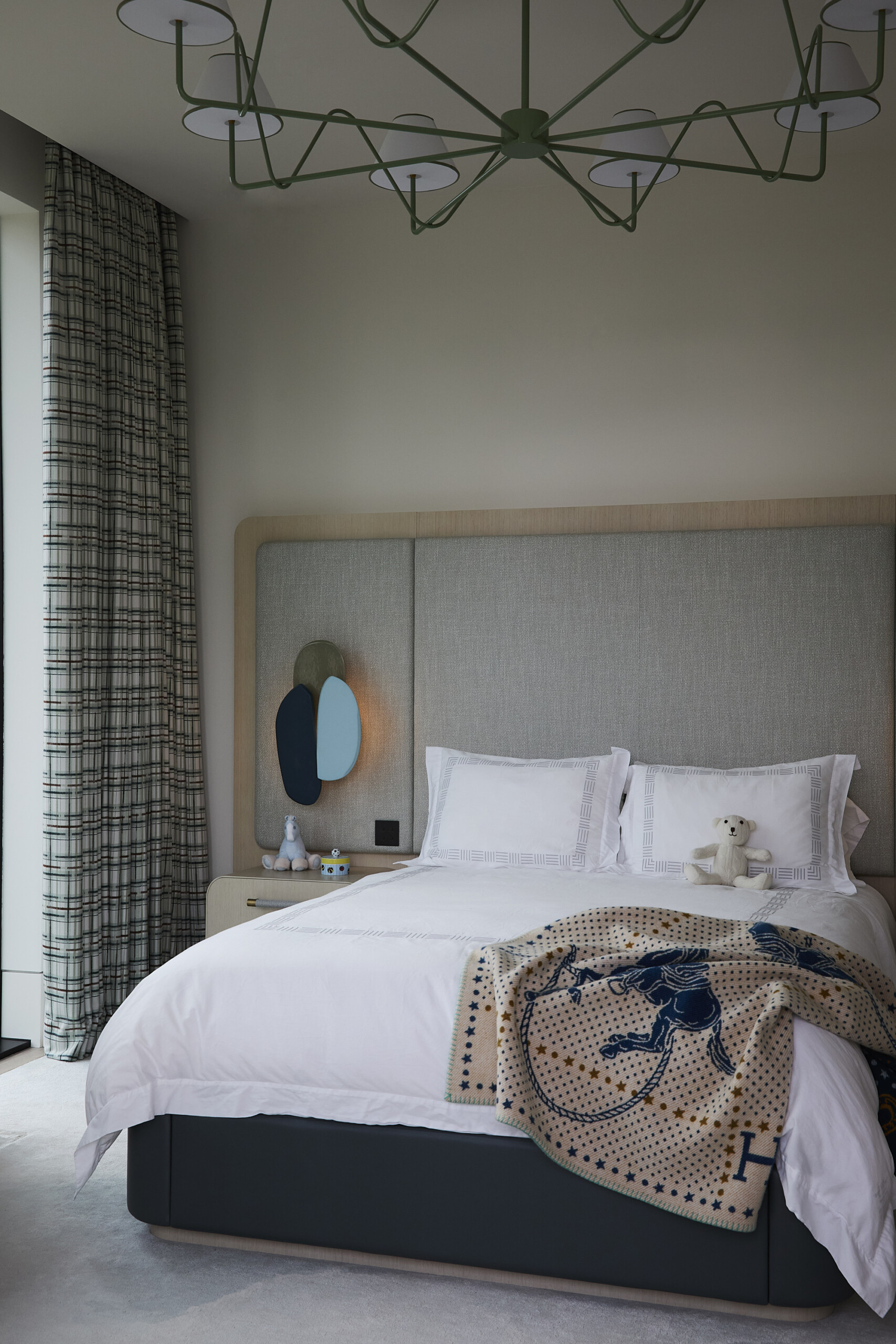
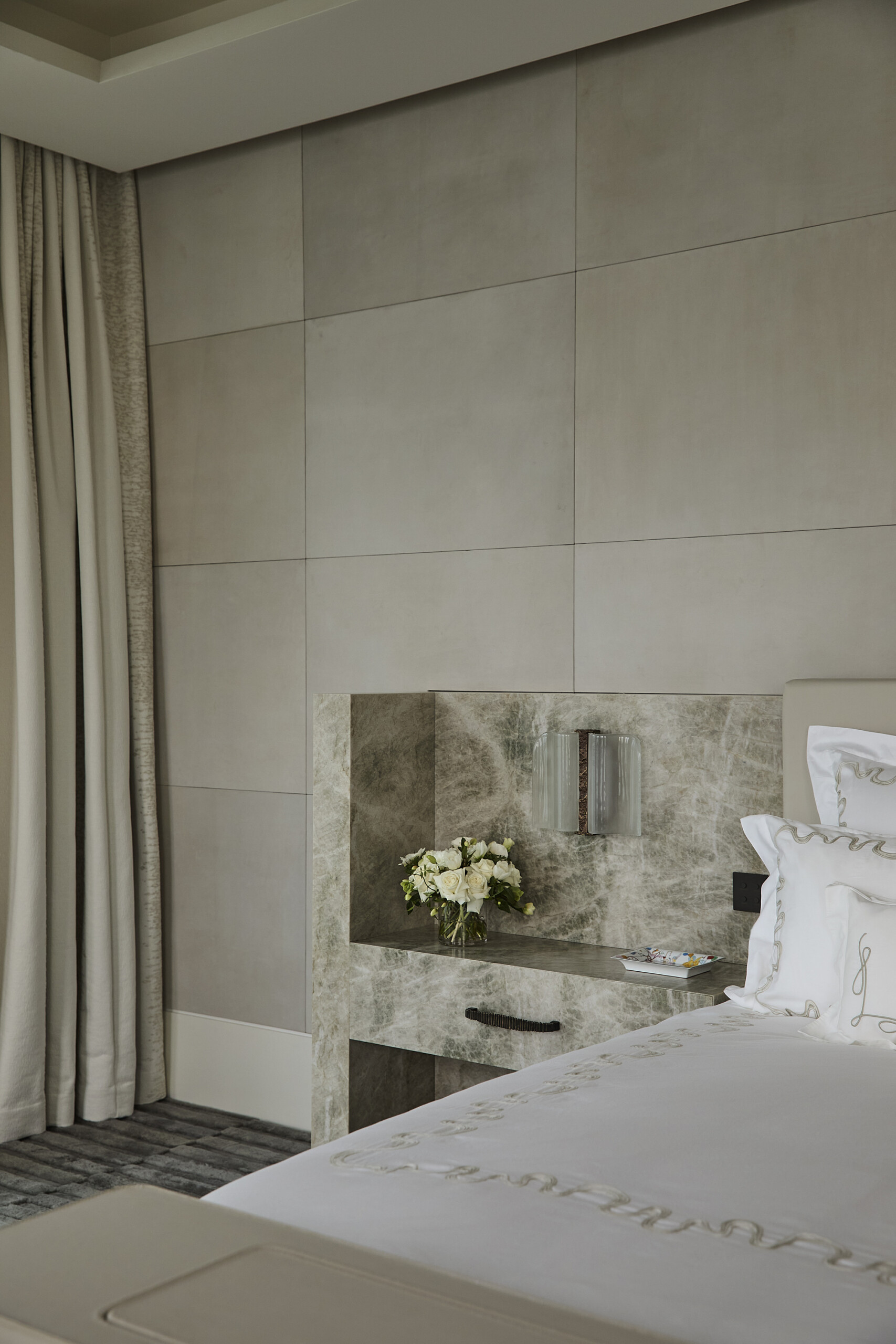
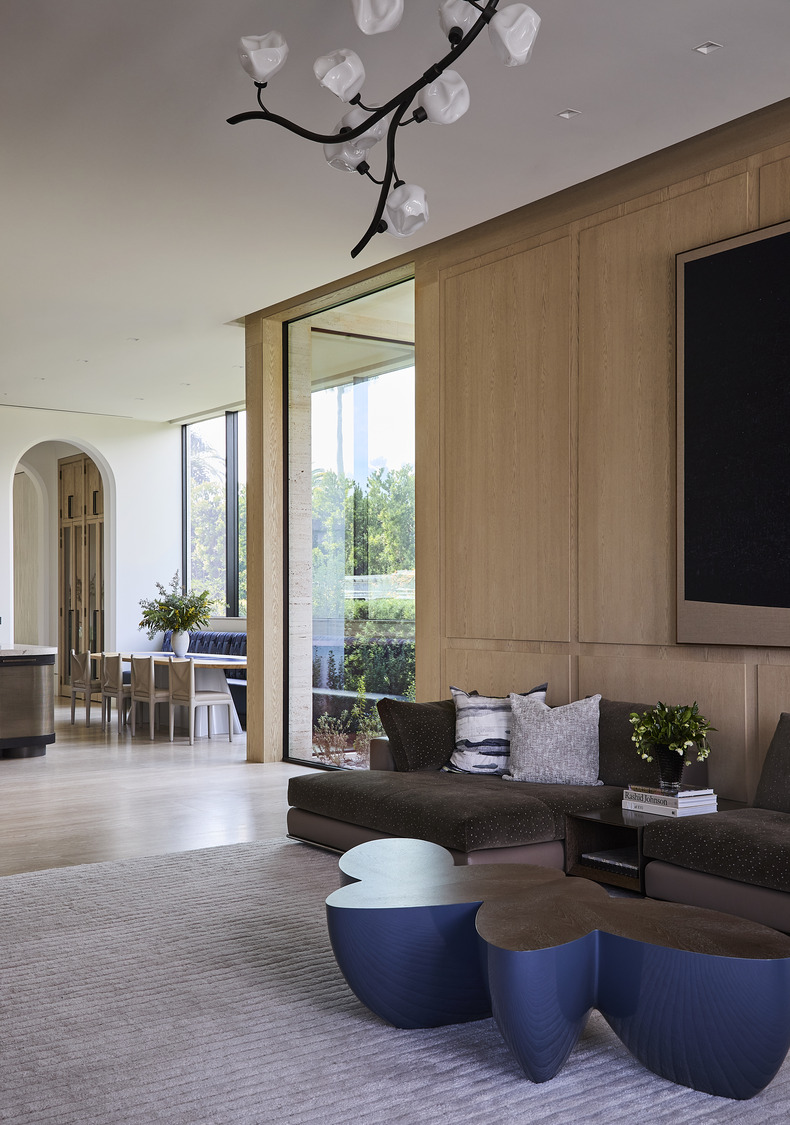
The waterfront setting informed the palette and mood of the interiors. Soft neutrals create a foundation for the interiors, and hints of blue and green reference the surrounding landscape. This created is an atmosphere that feels calm, layered, and reflective of its natural context without feeling overtly thematic.
What are some of the custom pieces that were created for the client?
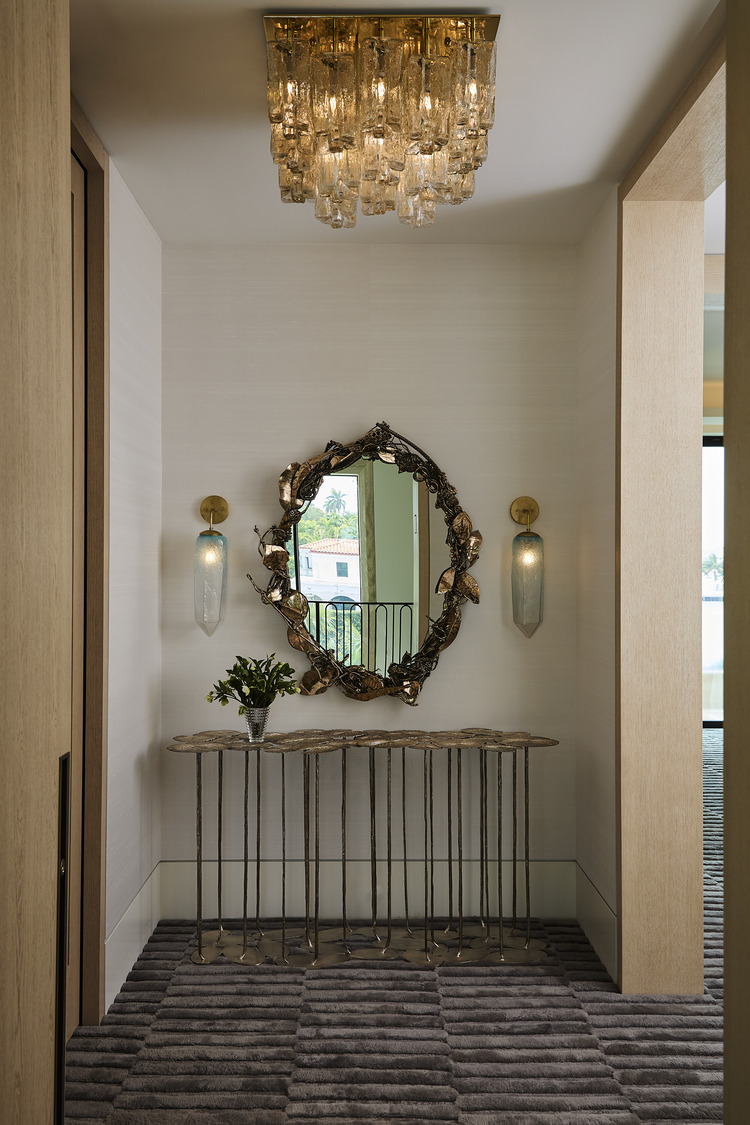
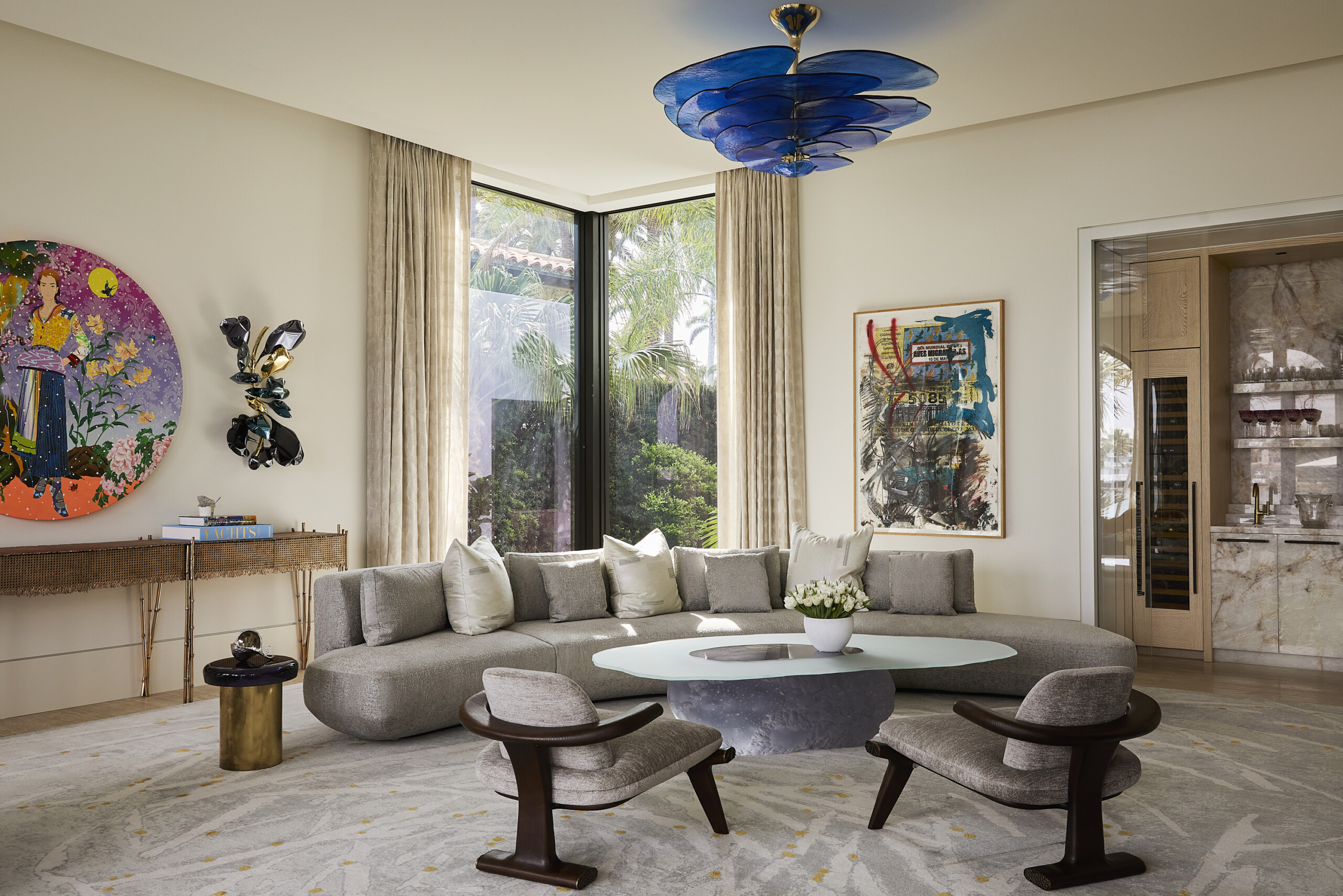
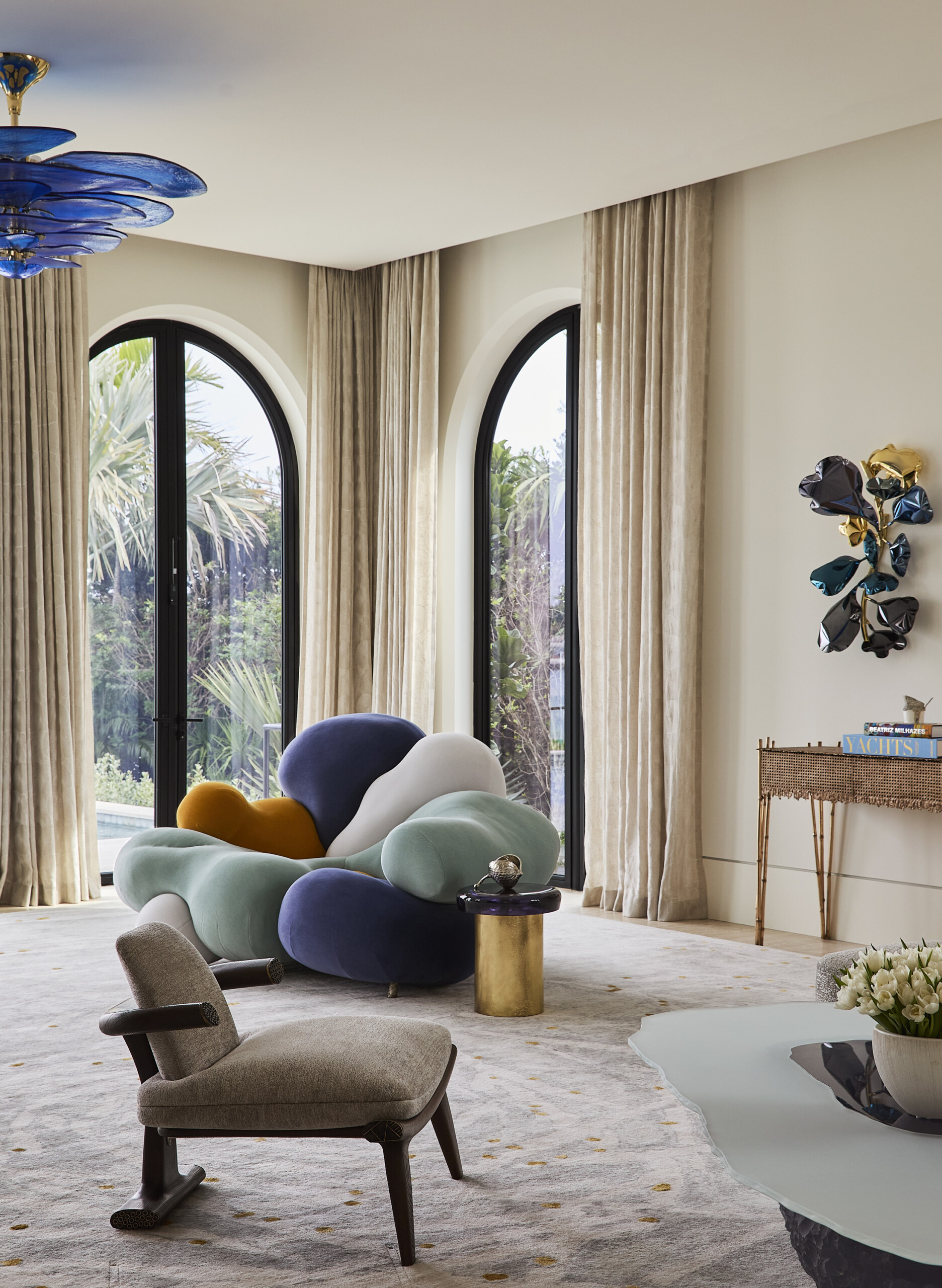
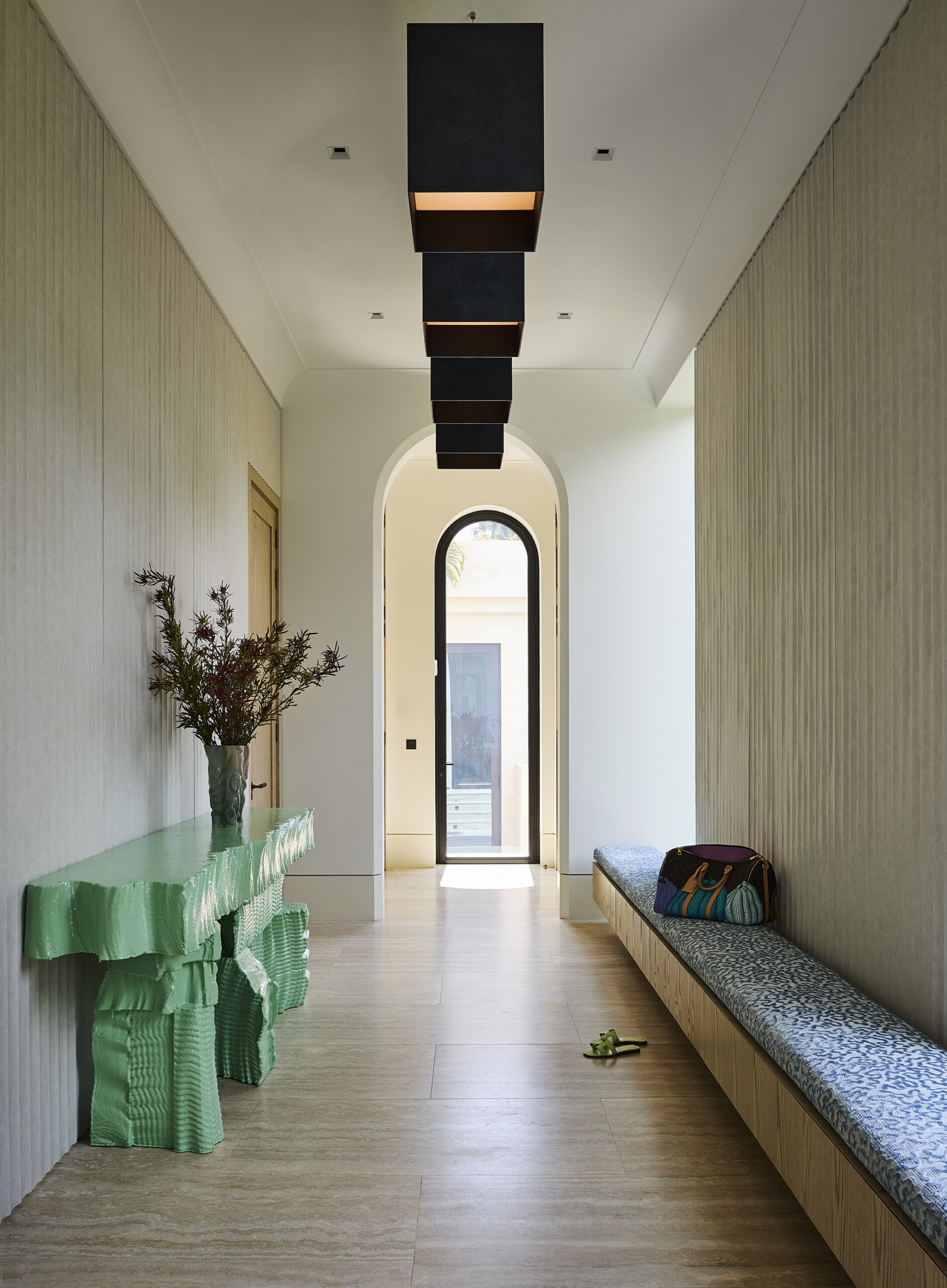
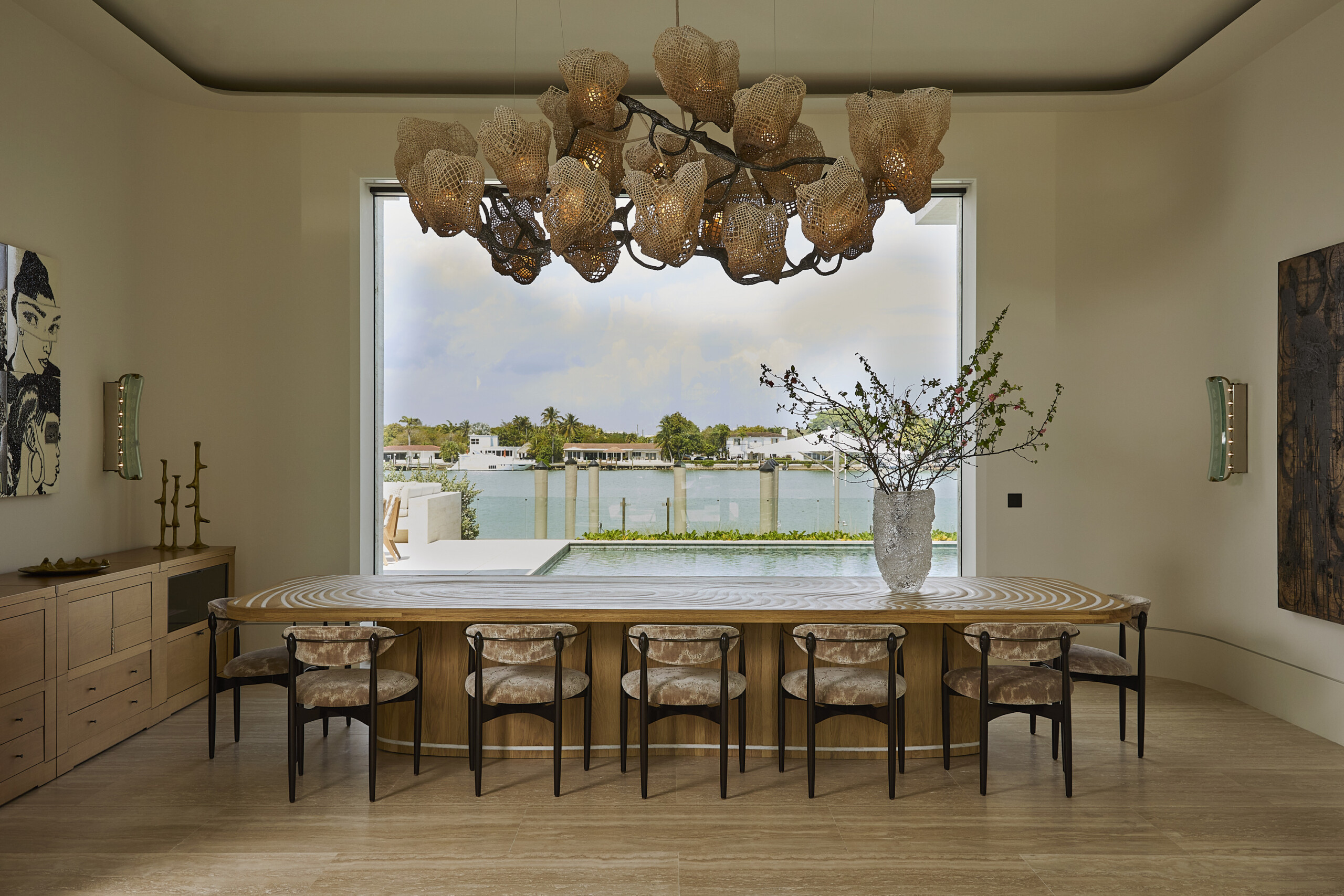
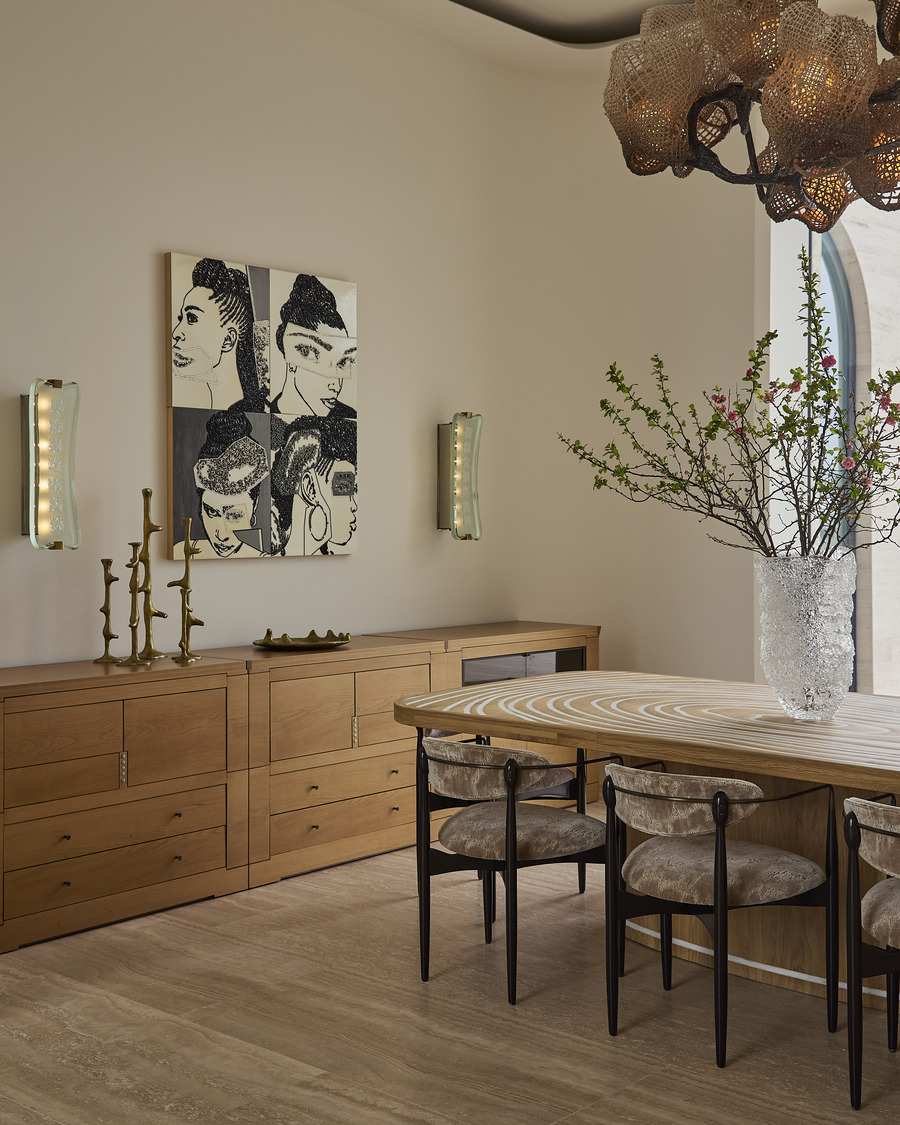
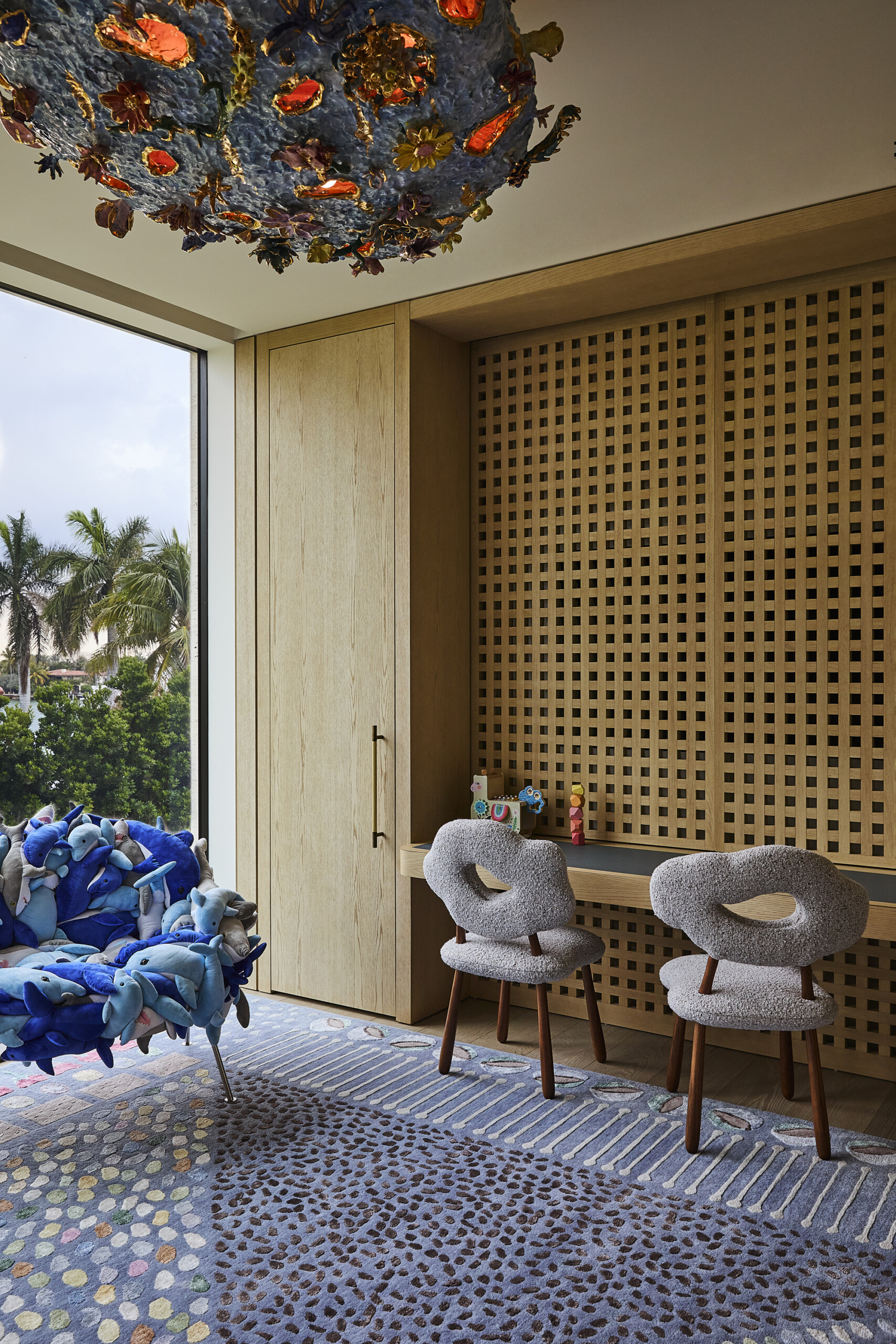
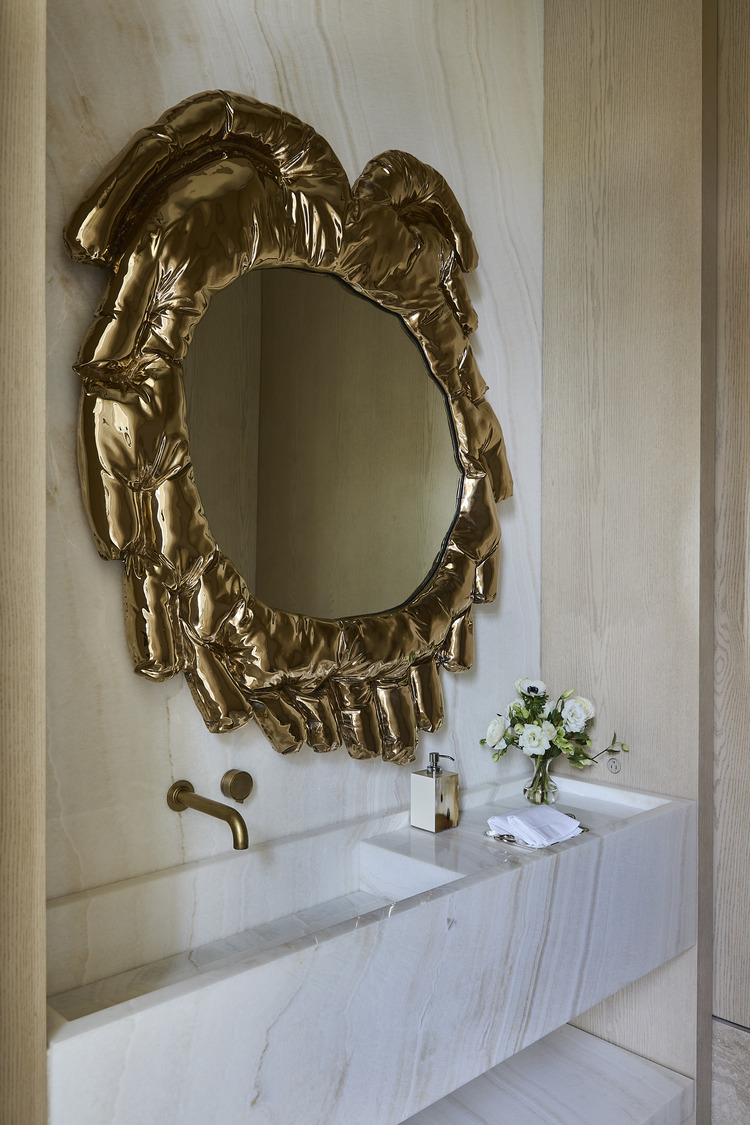
Nearly every element in the home was custom designed for the space. Some notable pieces include the Nacho Carbonell chandelier from Carpenters Workshop Gallery and the “Incontro” table by Francesco Perini in the dining room, a custom console by Max Lamb in the entry hall, both sourced from Gallery FUMI, a number of works by Misha Kahn from Friedman Benda in the living room and powder room, and a whimsical bespoke light fixture by Katie Stout in the children’s playroom, sourced from R & Company.
Do you have favorite spaces in this project?
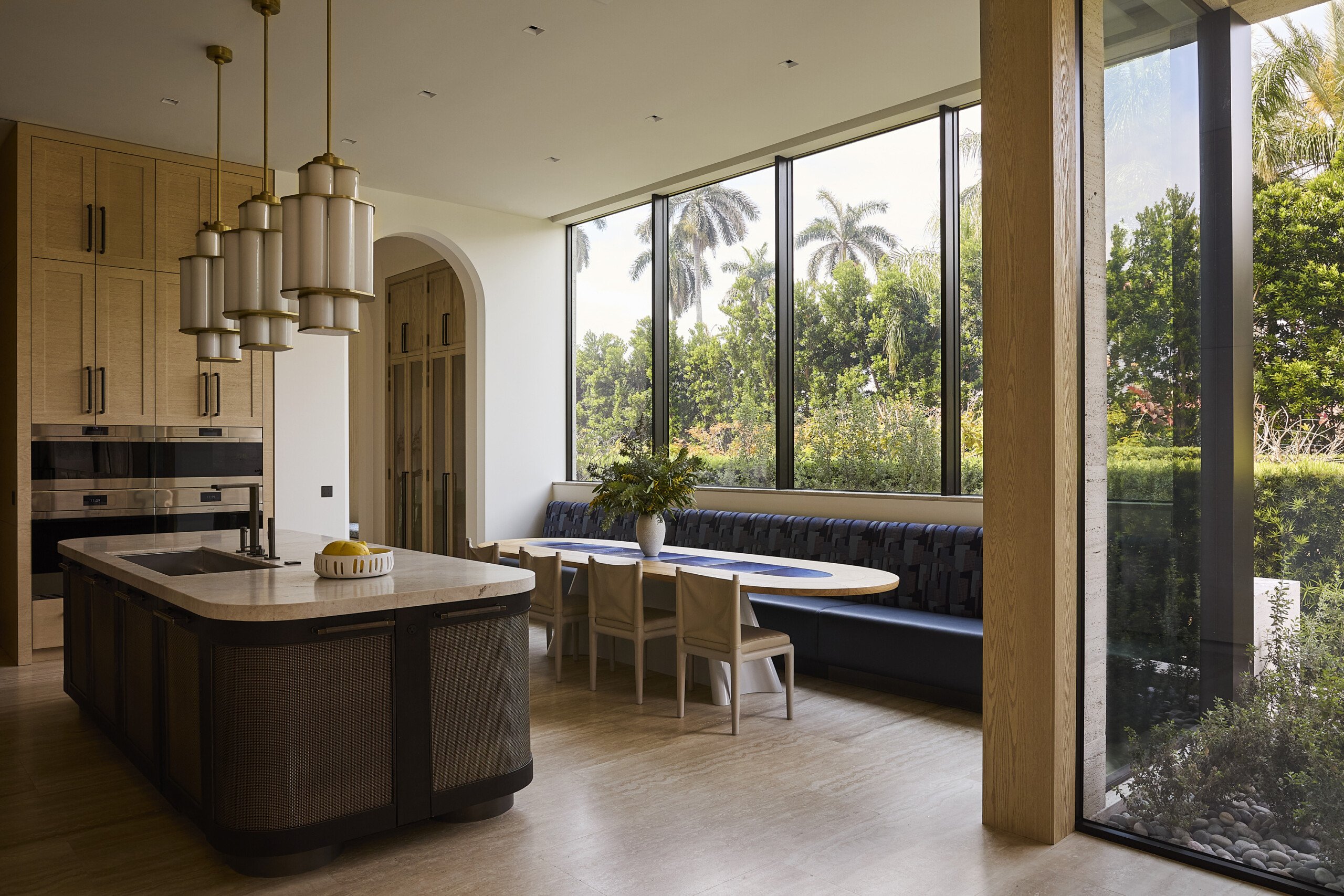
The dining room is an amazing space, with large windows and expansive waterfront views, anchored by furniture pieces that feel monumental in scale. Our use of color here is more reserved so the eye is drawn out toward the water and there’s a sense of quiet confidence. As the first space encountered upon entering the home, it feels very powerful.
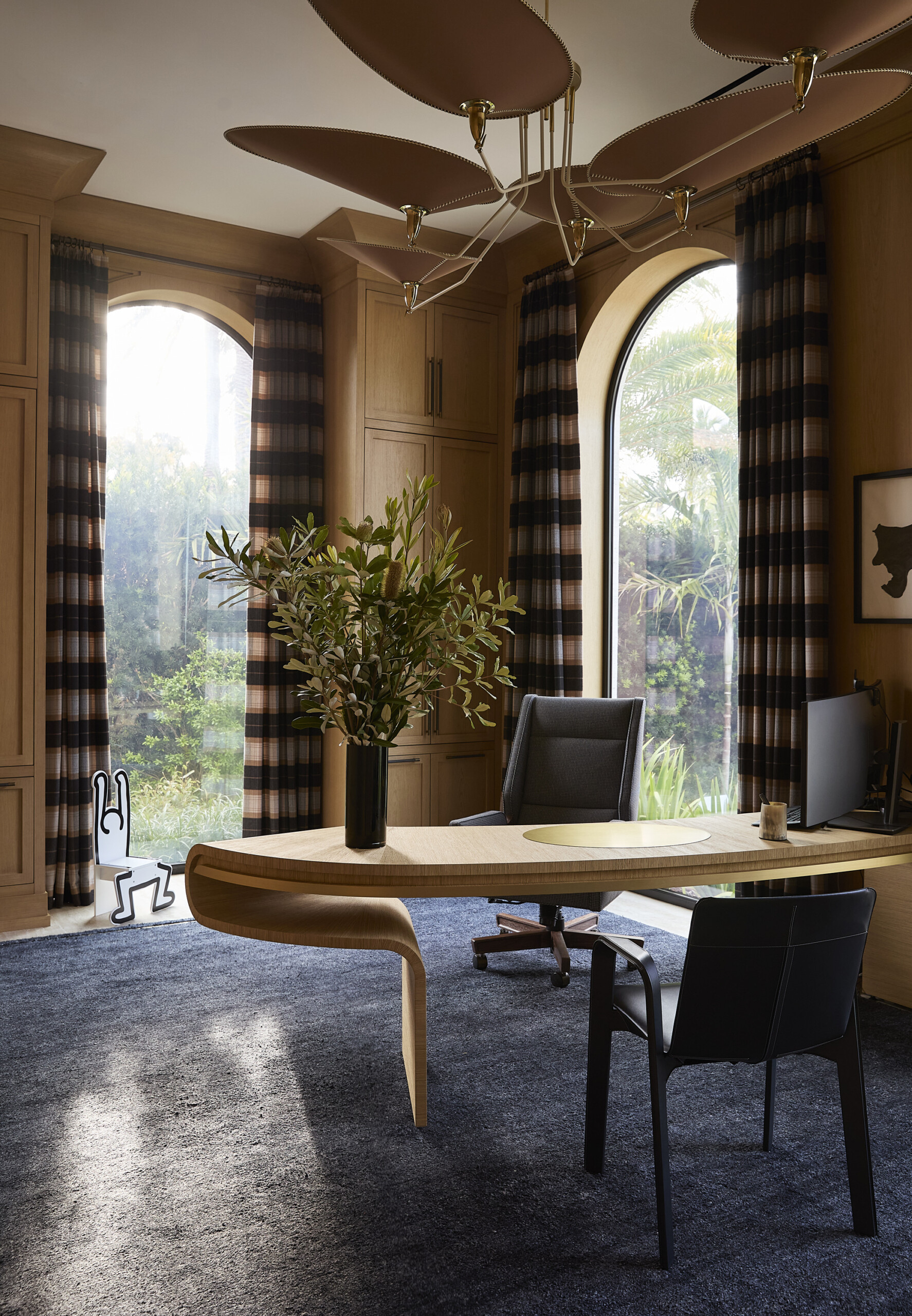
The office is another standout, with a natural oak desk by Thierry Lemaire from Studio Twenty Seven and an oversized chandelier by Diego Mardegan for Glustin Luminaires.
When sourcing for a project with so much contemporary collectible design, what does your process look like?
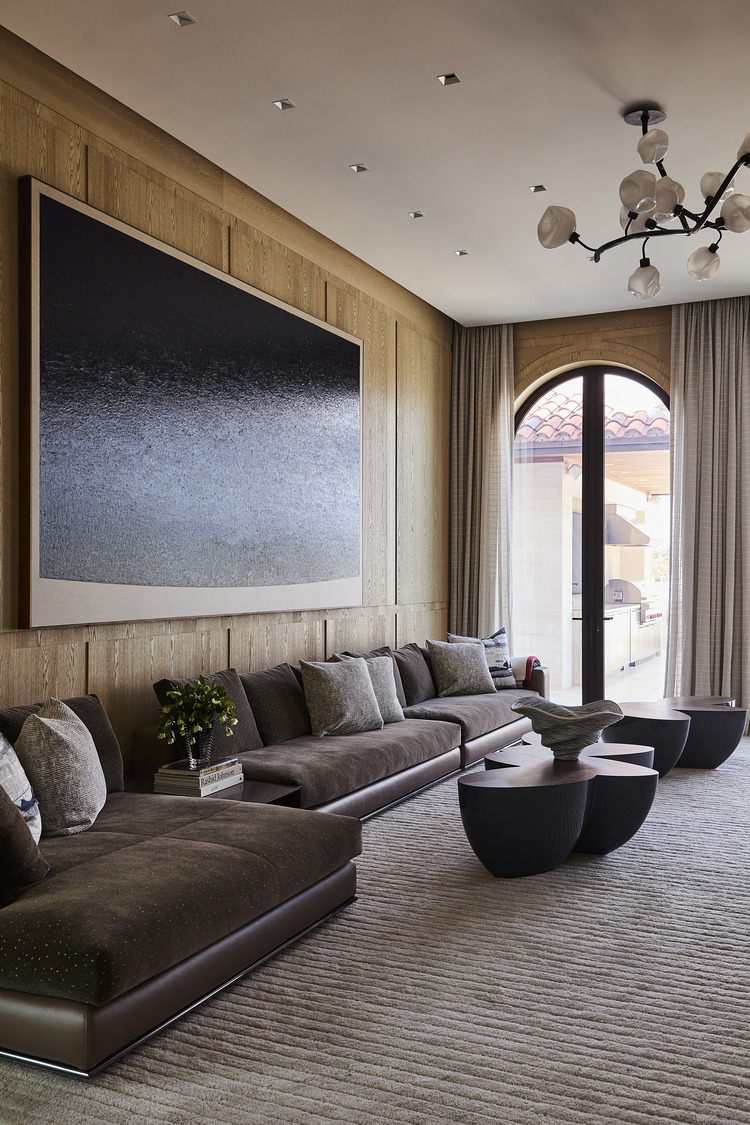
The exercise of identifying stand-out pieces is a bit of an organic process, and some of it starts with a singular piece or a desired look, and we build on that. We’re always mindful of maintaining some sense of serenity within each space—not every element should demand attention, or else it can feel overwhelming. In this project, we achieved a careful balance by surrounding some exceptional statement pieces with more reserved furnishings that serve as a complementary backdrop, allowing the collectible works to shine.
What is your philosophy when it comes to collectible design?
If a client has a great art collection, that can often inform the style of furniture and lighting that we’re trying to bring into the space to coincide with the art. In this project, we were able to blend vintage pieces, particularly lighting, with contemporary works. You want everything to work well together, so I wouldn’t necessarily bring in something like an Art Deco chair with a very contemporary modern table. We’re always considering the provenance of each piece and how elements relate to one another within the broader composition.
You studied the history of decorative arts and design at Parsons. How does that background affect your design process?
My background cultivated a deep awareness of where objects come from, who made them, and the materials and methods used in their creation. In school, I studied how furniture styles developed over centuries, examining the artisans behind the work and their thoughtful approach to craft and materiality. I bring that same lens to sourcing today, whether we’re selecting vintage or contemporary works. I’m constantly considering who made a piece, its origins, and how its materials and craft will harmonize with other elements in the room.
Do you have any favorite galleries to work with?
I love Cristina Grajales and Magen H Gallery in Downtown Manhattan, Chahan Gallery in Paris, and Orange Furniture in Los Angeles.
Which pieces do you have your eye on to use in 2026?
I’m really drawn to the work of ceramicist Roger Herman—he’s represented by Carpenters Workshop Gallery, and I would love to incorporate his pieces into an upcoming project. I was just in Paris and saw some beautiful sconces at Charles of Paris that I’m eager to work with. I also want to incorporate lots of textiles from Lesage Intérieurs; their work is exceptional. Additionally, Charles Zana‘s furniture, lighting, and millwork details have caught my attention and would be fun to play with in the right space.
What advice would you give to those who want to begin their own collection?
When it comes to investing in collectible design, I encourage clients to think beyond their immediate attraction and imagine a piece five or ten years down the line—does it still resonate? One advantage of shopping vintage is that the pieces have already proven their longevity, both in terms of material durability and enduring appeal. Contemporary works can be immediately enticing, but it’s important to pause and ask whether those pieces will remain desirable as trends shift and your own tastes evolve. We encourage clients to be thoughtful about what draws them to a particular work and to consider how their aesthetic sensibilities might develop over time.