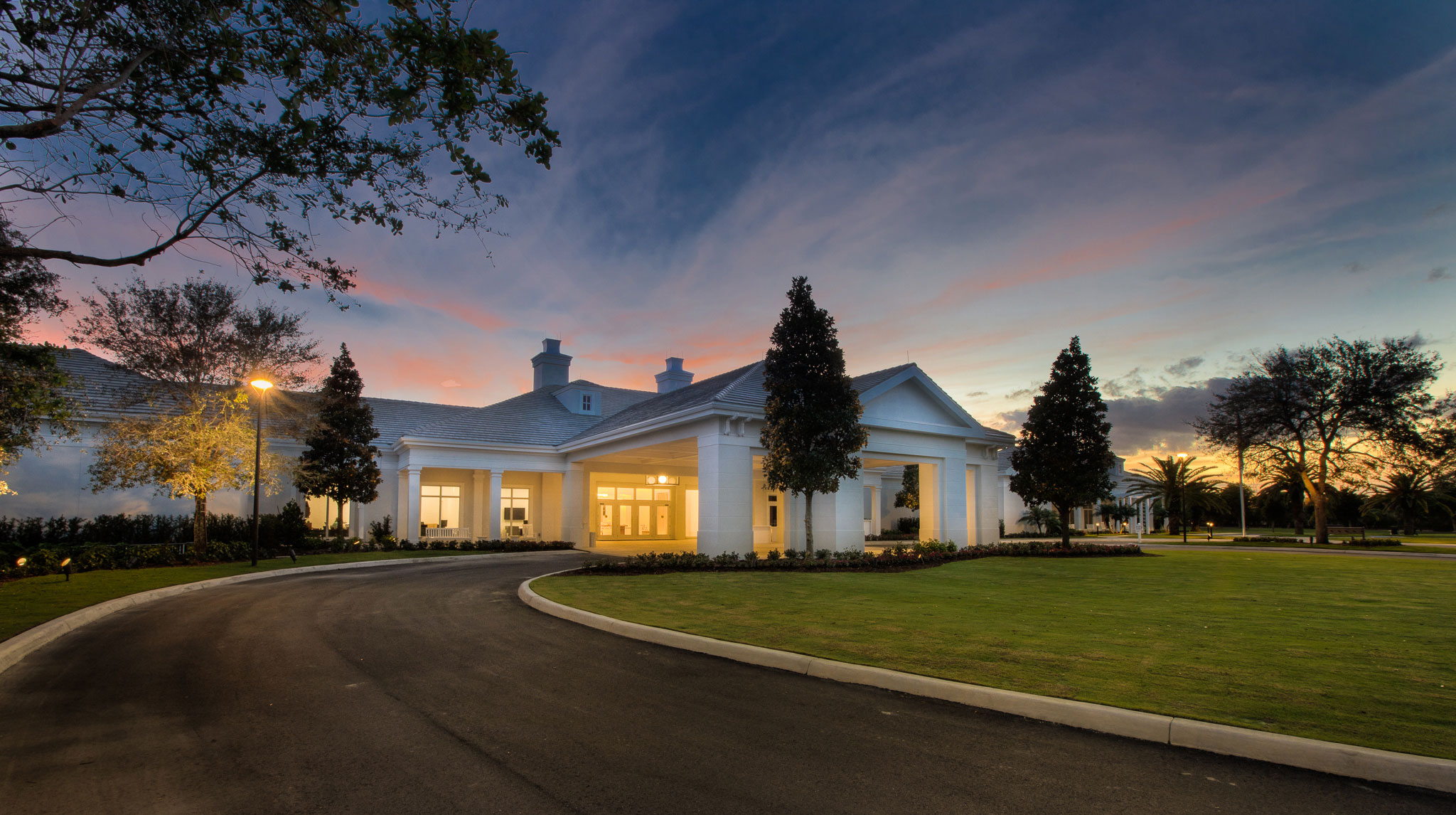
How Great Design Shapes Member Experiences

Design Director Melanie Stack’s recent appearance on the panel for The Future of Country Club Infrastructure, hosted by Morgan Stanley, reaffirmed many of the principles that have long guided our approach to clubhouse design. The conversation touched on themes ranging from evolving member expectations and sustainability to flexible, multi-use spaces and thoughtful historical preservation. Below, we dive deeper into these ideas, drawing on our experience in both commercial and residential design.

Evolving Member Expectations
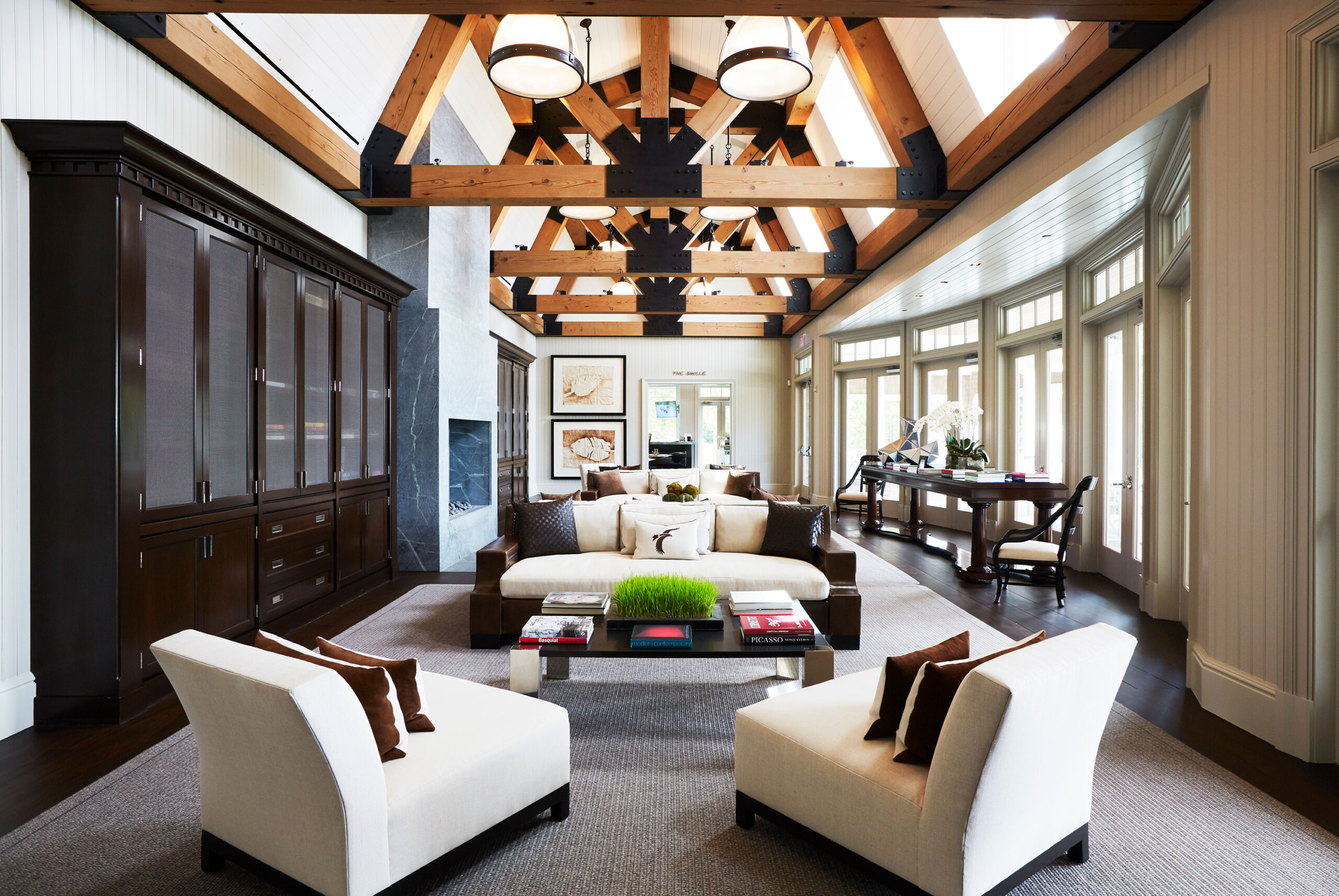
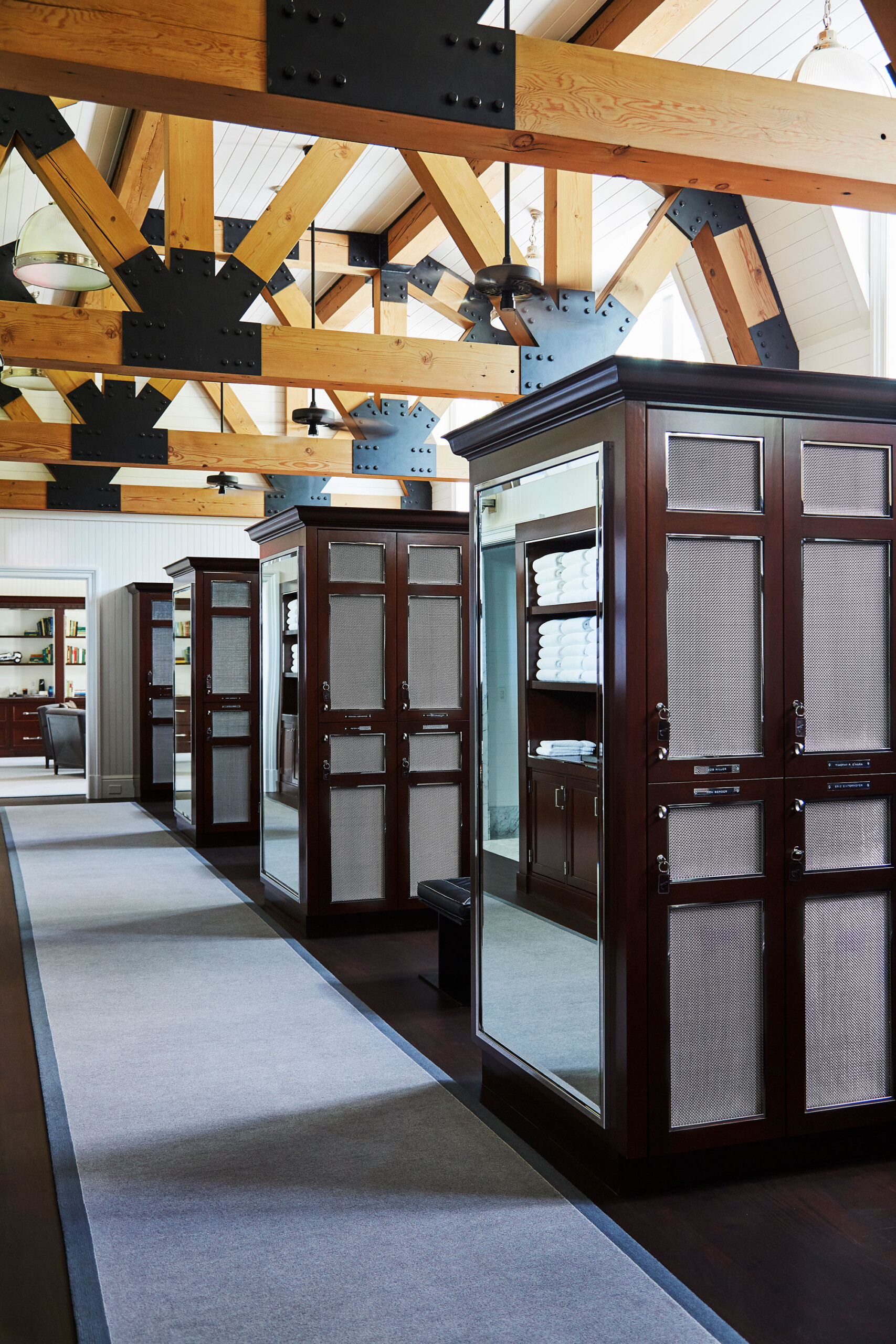
The shifting demographics and interests of younger generations are transforming private clubs. Today’s club members are seeking wellness-focused, and technologically integrated experiences and requesting more casual atmospheres that flow with the needs of modern life. Design plays a central role in supporting these rhythms, particularly as clubs look to extend how and when their spaces are used.
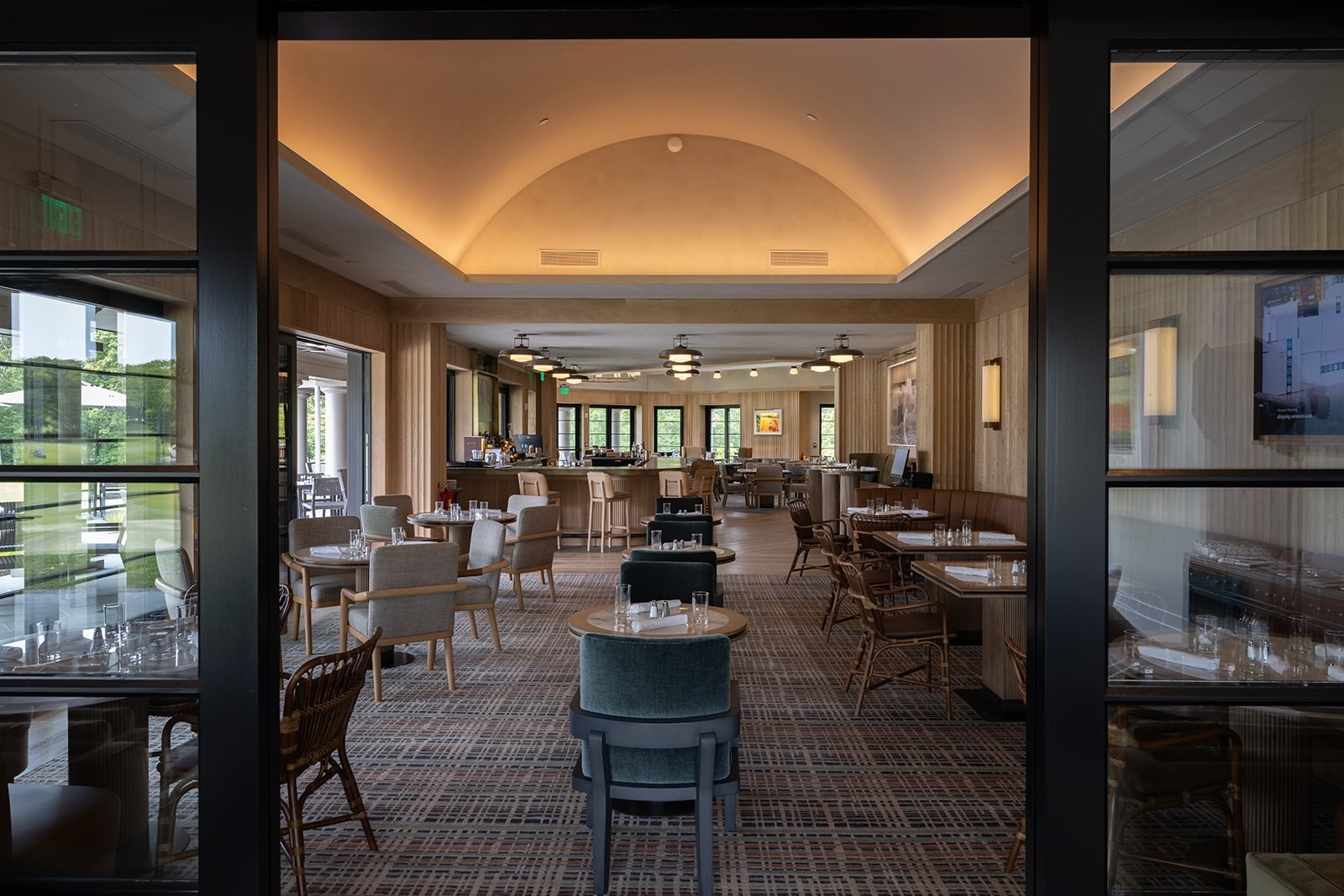
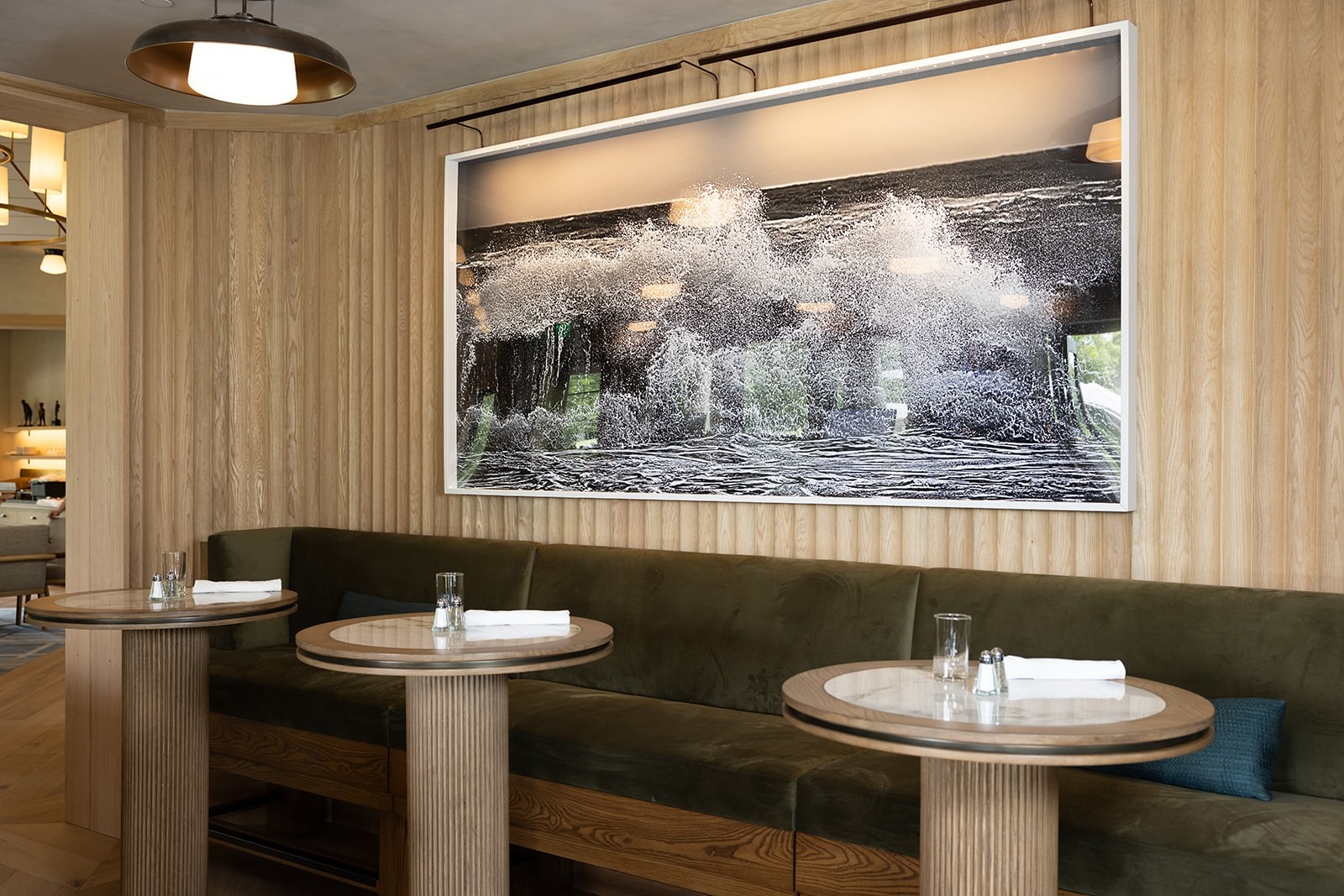
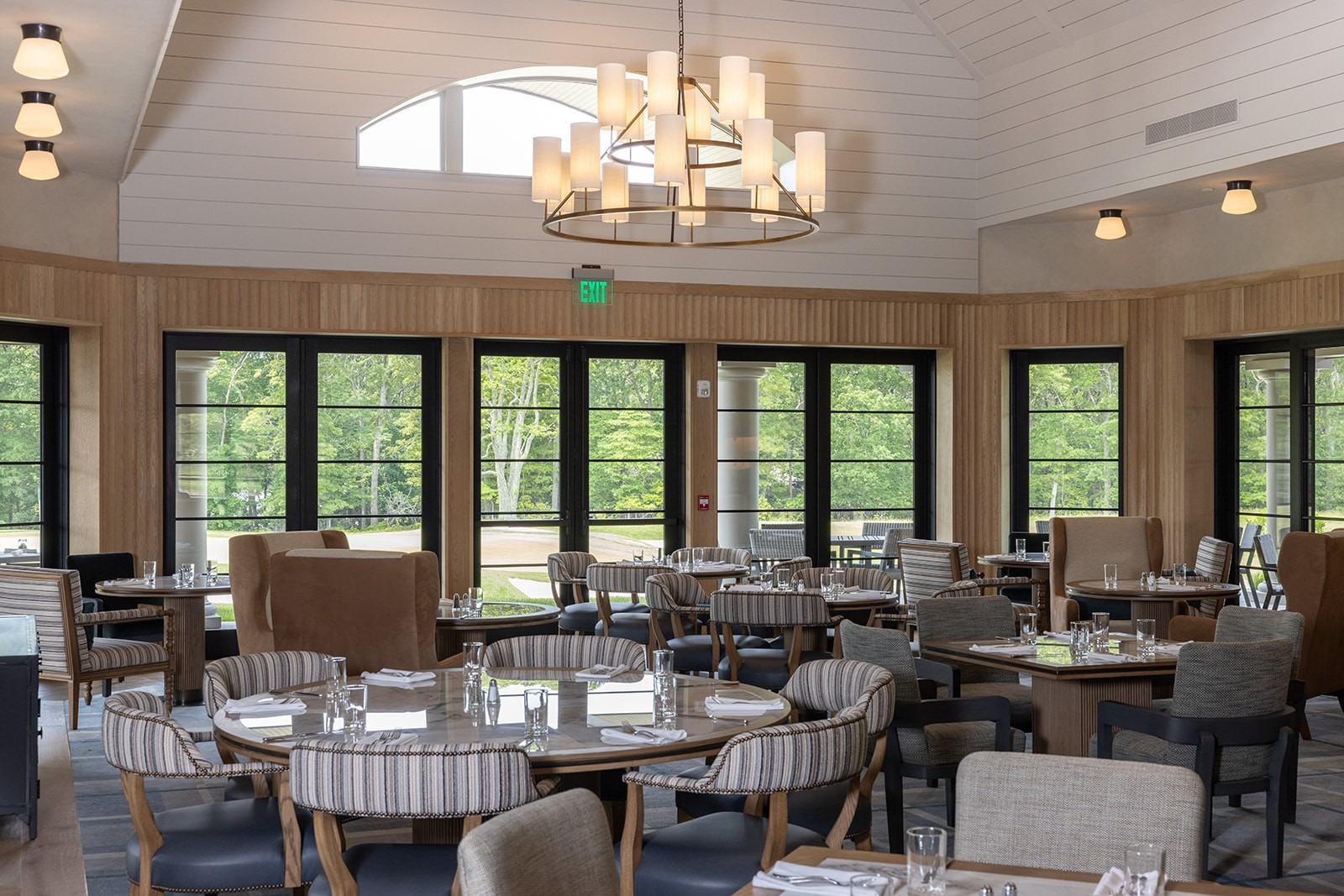
"Each club is so different both stylistically and in what they are coming to us for, so it's an exciting challenge each time ."— Alexia Sheinman, Chief Strategy and Brand Officer
It’s essential to identify underused spaces and transform them into environments that support members’ current needs, such as reimagining forgotten card rooms into spaces configured for remote work or most casual lounging. Thoughtful improvements can have an outsized impact on the member experience, such as ensuring ample access to power outlets and technology infrastructure that aligns with how members work and socialize today.
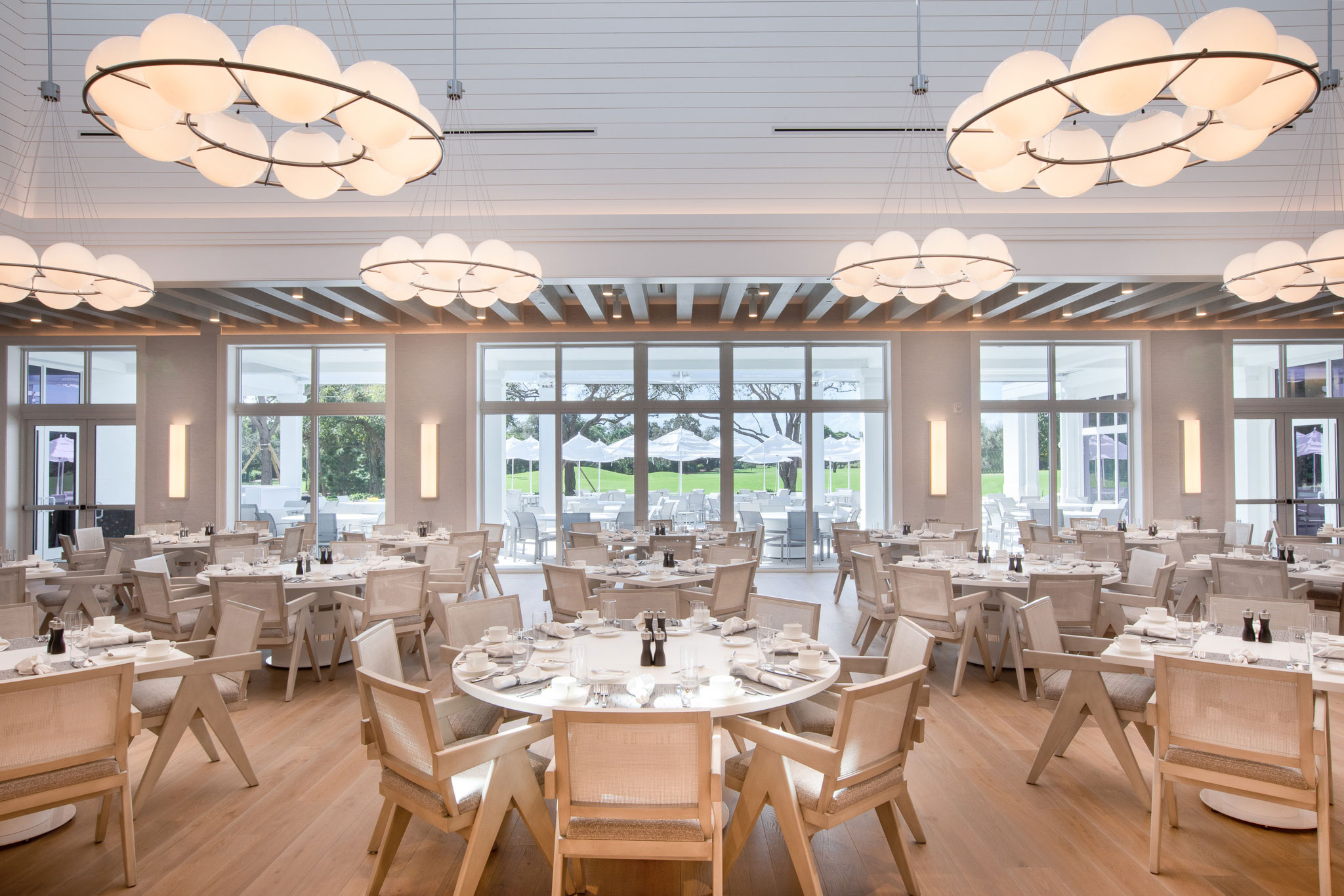
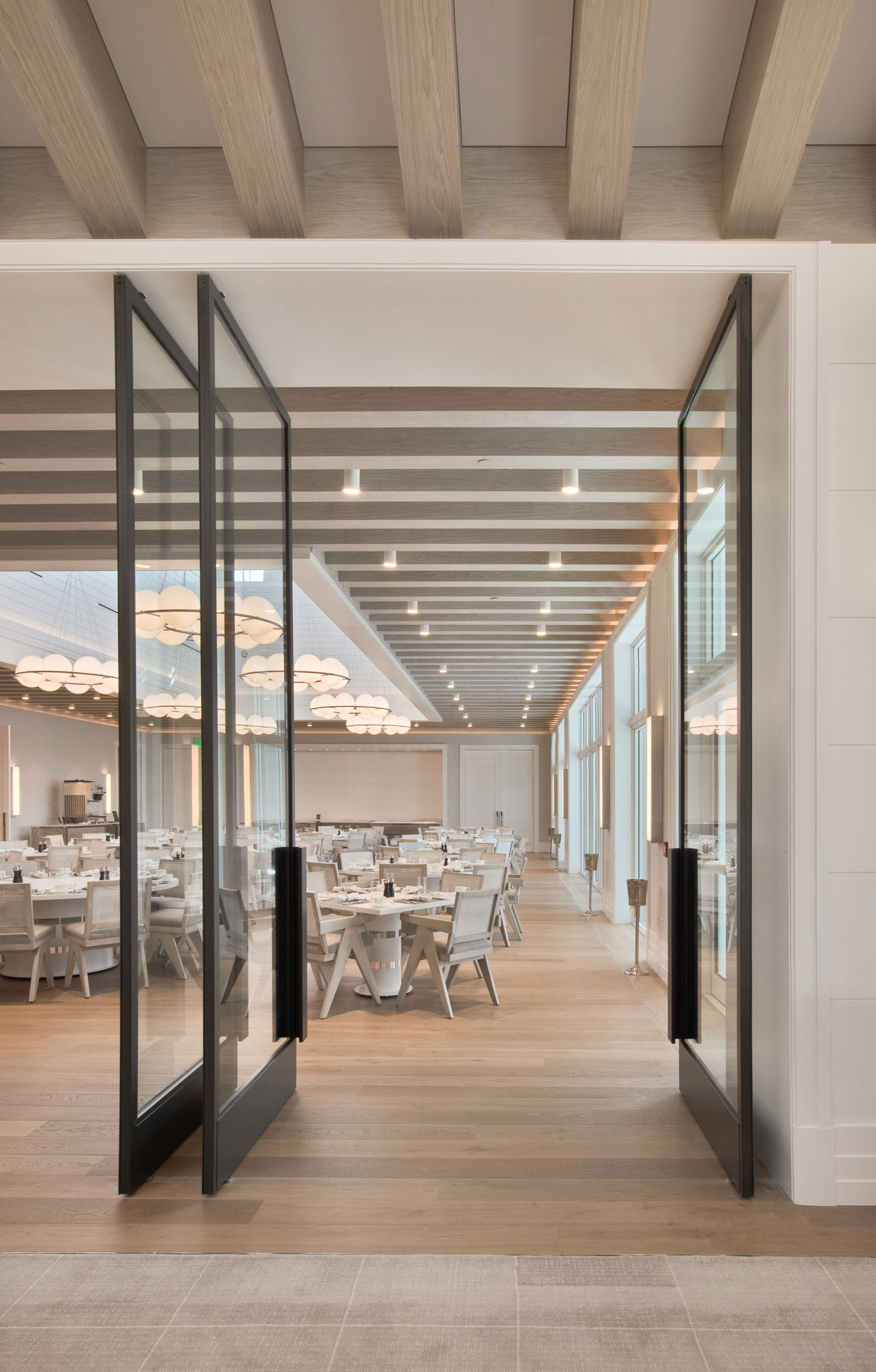
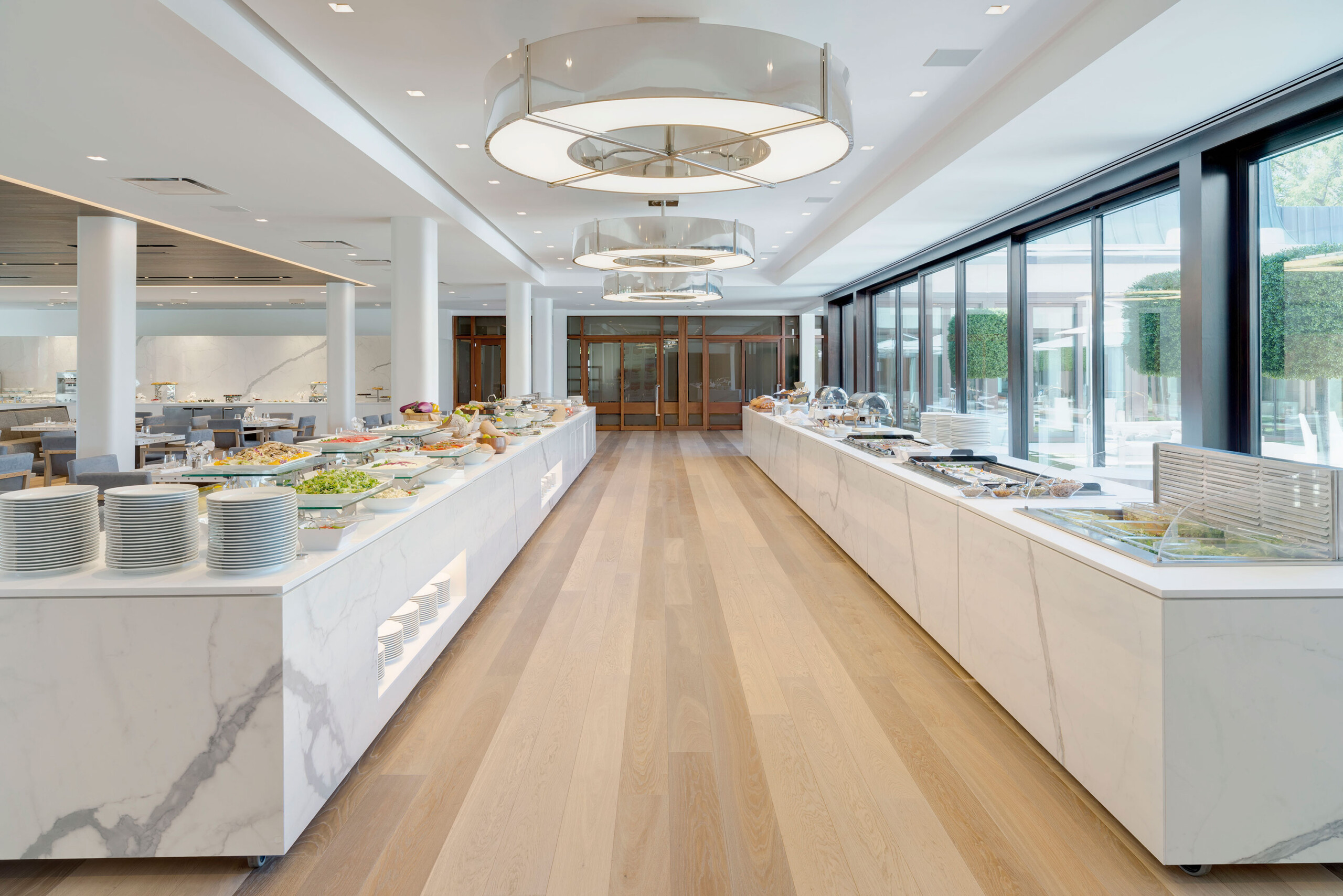
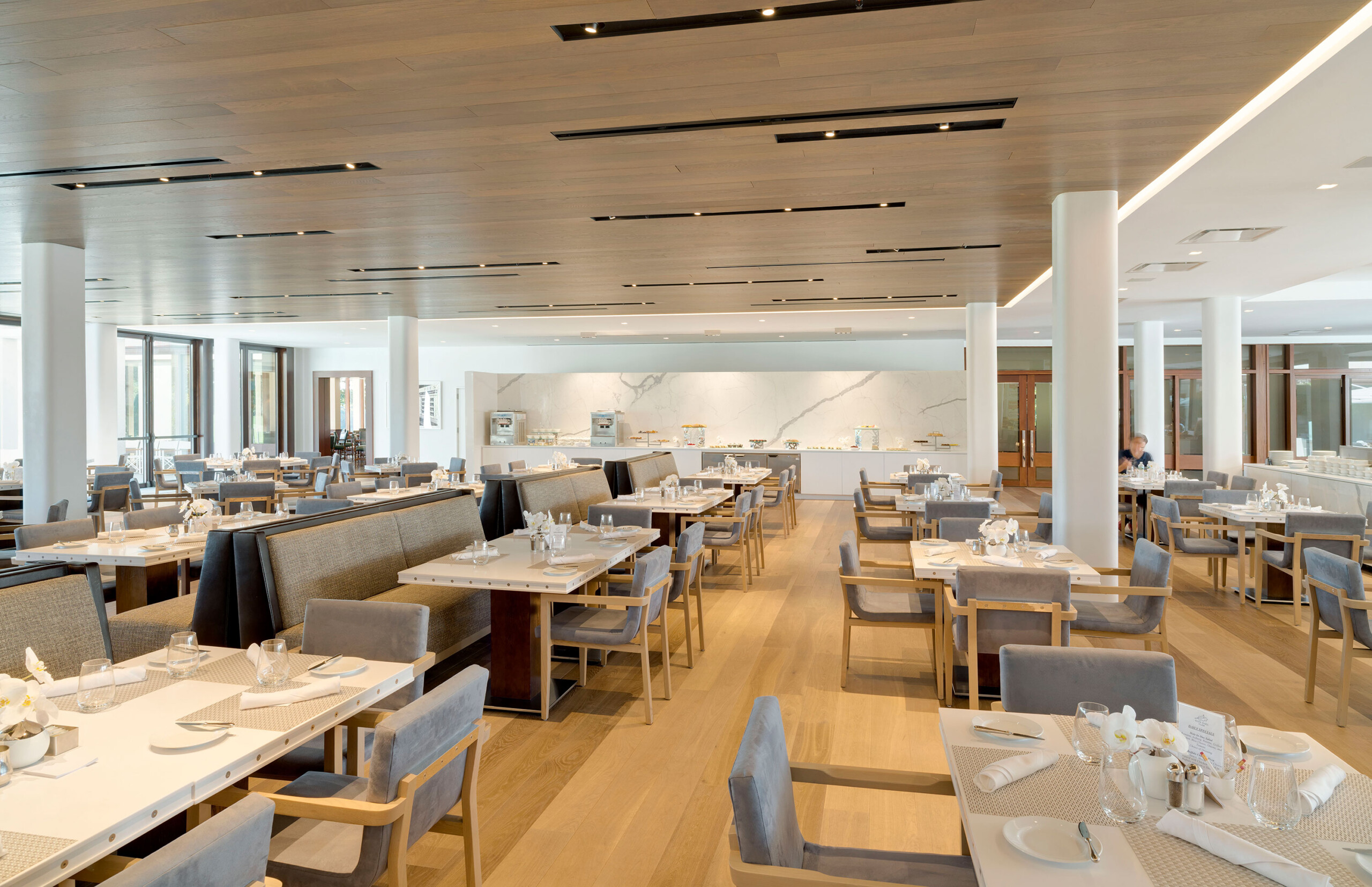
While golf and tennis remain central to club culture, younger members are placing greater value on diverse programming and activities. Rather than eliminating beloved traditions like the men’s grille, we encourage clubs to strategically transform underused areas to introduce new, more inclusive concepts, such as mixed grilles, where members can gather with spouses, families, and friends.
"For club managers, the ability to see a return on investment through more events, more dinners, and increased use ultimately makes the space more valuable."— Aaron Dussair, Executive Vice President
Redefining Sustainability
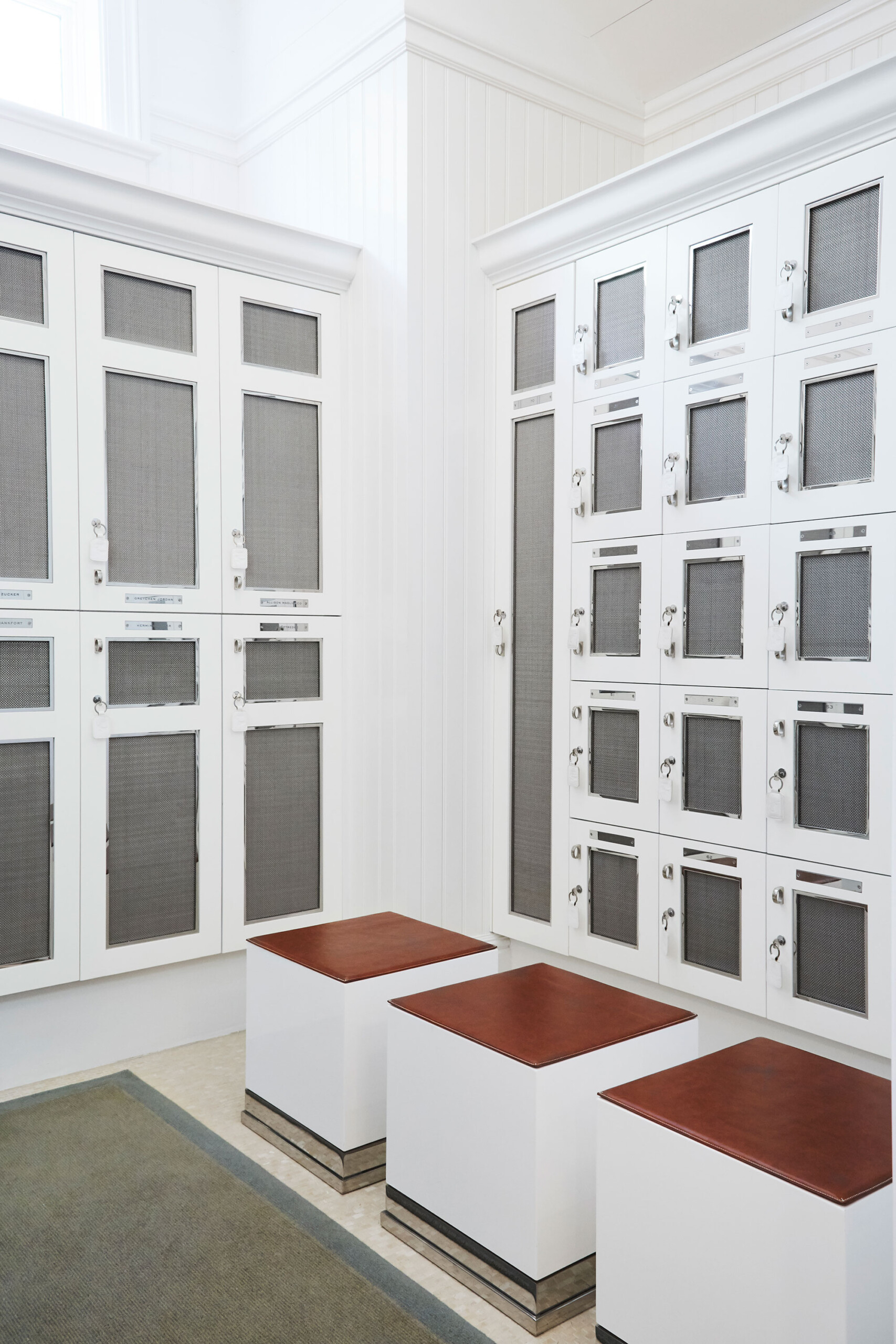
We approach sustainability through the lens of longevity, designing spaces that feel timeless with materials that last. Guided by the identity of each organization rather than fleeting trends, our work is intended to endure. A great deal of consideration is paid to the long-term operational performance of our club interiors. By selecting materials that require less frequent replacement, we can help reduce ongoing maintenance and operating costs for clubs.
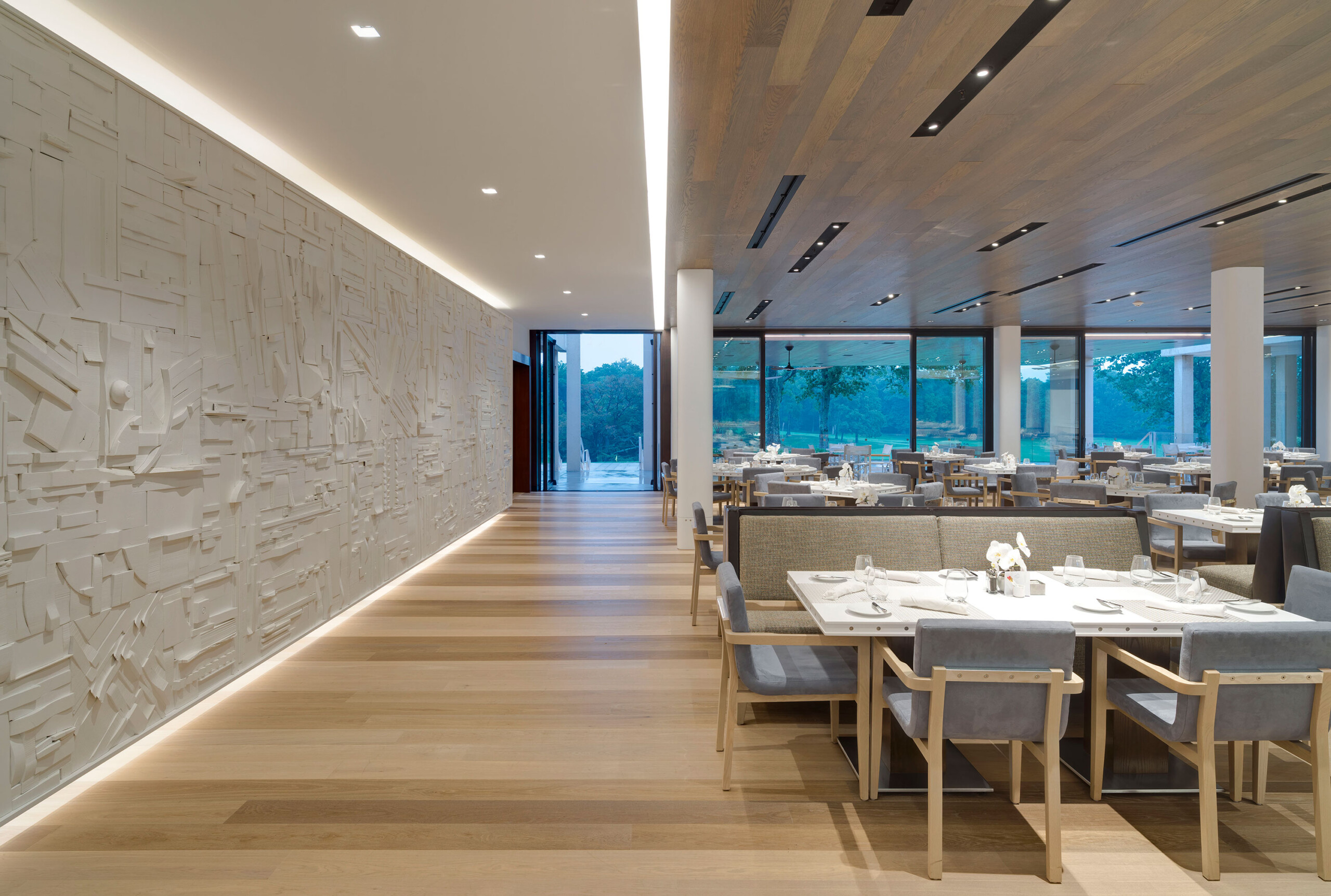
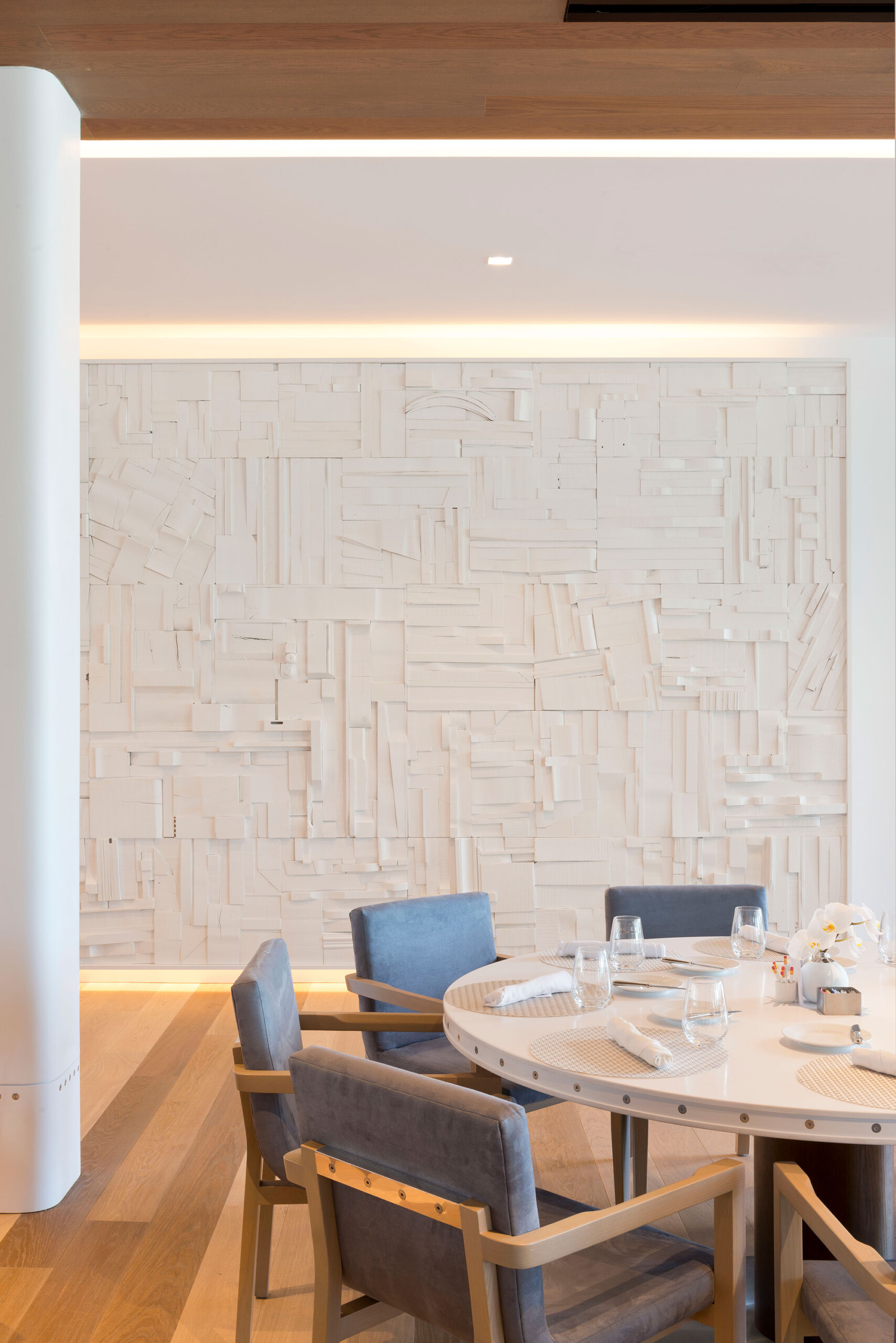
Contract-grade materials have come a long way and more closely resemble residential textiles and materials. Clients feel increasingly comfortable specifying commercial-grade products because they’re resilient and offer peace of mind. Materials like vinyl flooring and porcelain stone-look tiles are more convincing, at a lower price point and greater durability.
Flexibility, Wellness & Revenue Opportunity
Flexibility has become a leading priority for today’s clubs, particularly as members place greater value on wellness and time spent outdoors. Through thoughtfully designed indoor-outdoor environments, such as structures equipped with integrated heaters, fans, screens, televisions, speakers and retractable ceilings or louvers, clubs can extend seasonal use while supporting comfort and connection.
"Indoor-outdoor living has become a prominent request for both clubs and private residences. We’re integrating more pergola structures and layered functionalities through thoughtful infrastructure. We are creating new, usable square footage that can be activated year-round."— Melanie Stack, Design Director
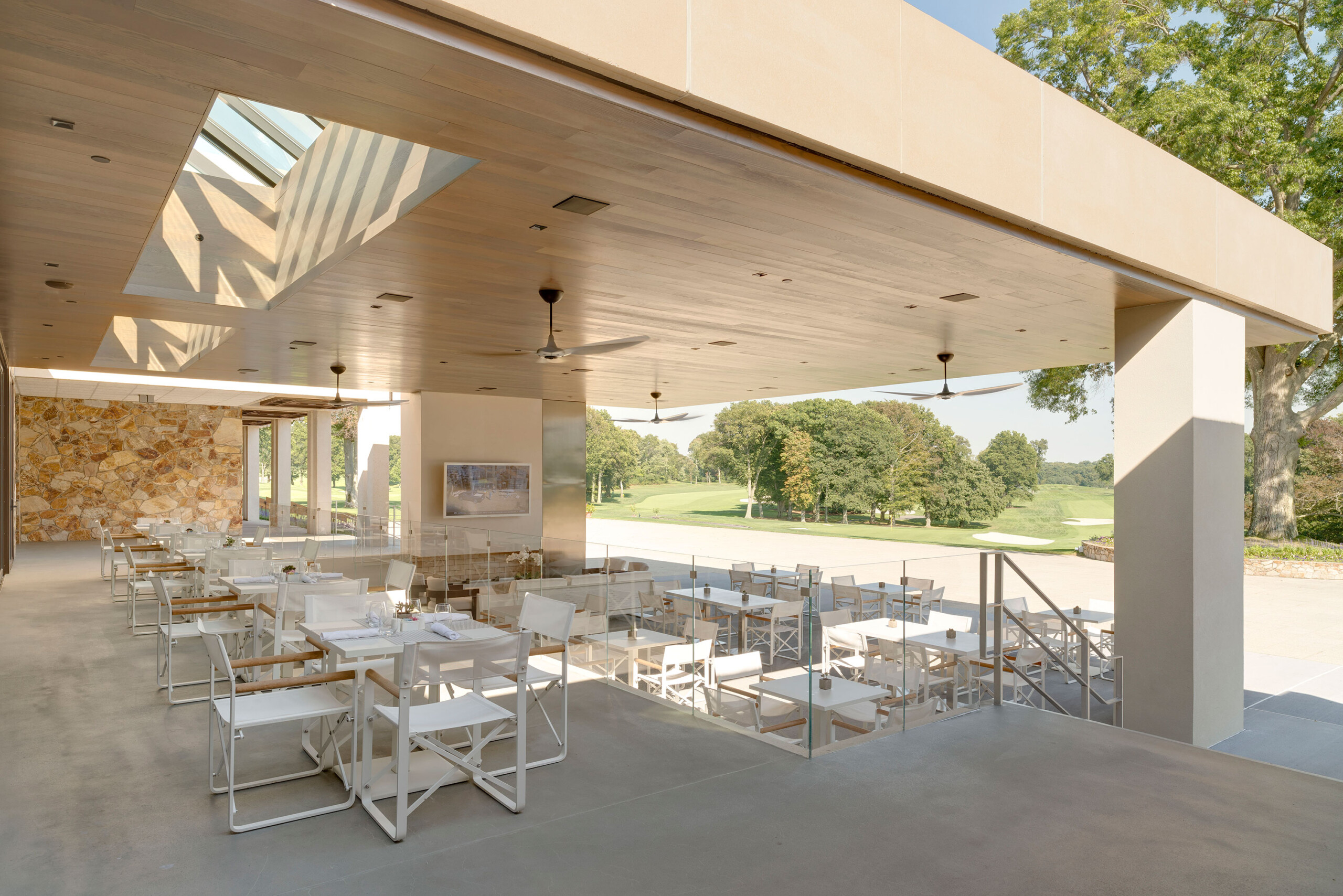

We focus on creating spaces that can expand and contract in response to daily use, events, and programming needs. Decorative door assemblies, pivot and sliding doors, and NanaWall systems allow interiors and exteriors to function seamlessly together. With flexible wall systems, event spaces can be modulated and patios can be winterized or reconfigured, unlocking new opportunities for hosting member events and private functions.
For members, the benefit is more opportunities to spend time outdoors, greater comfort throughout the year, and spaces that support both everyday use and special occasions. For clubs, these design strategies translate into longer seasons, broader programming potential, and meaningful new revenue streams.

Historic Preservation
When a club has been part of a community for generations, it carries a cultural weight, which makes a respectful and measured approach to renovation essential. The intention is not to modernize for the sake of change, but to make thoughtful improvements that enhance the member experience while honoring the club’s original character and history.
Our process begins with understanding what elements members hold most dear. We take the time to study how spaces are used, what feels untouchable, and where change can support the club’s future. Preservation is not about replication, but about maintaining scale, proportion, and material integrity. New interventions are deliberately restrained, allowing historic elements to lead.