Paris Design Week 2026 Highlights
Every year, members of the Pembrooke & Ives team travel to Paris Design Week to see the industry’s latest showcases, objets d’arte, and trends. Between the heritage showrooms of Paris Déco Off and the global marketplace of Maison & Objet, Paris becomes a place of discovery and a lens through which to see how design continues to shift and refine itself. This season, Principal and Chief Creative Officer Francis Nicdao, Design Director Jessica Iwaniec, and Senior Project Manager Daryl Cooper visited galleries, ateliers, and showrooms to reconnect with long-standing partners, uncover emerging vendors, and gather insights into the forces shaping contemporary interiors.
We are sharing highlights from our team’s time in Paris, including the experiences that stayed with them, the design trends that caught their attention, and the exceptional vendors that stood out along the way.
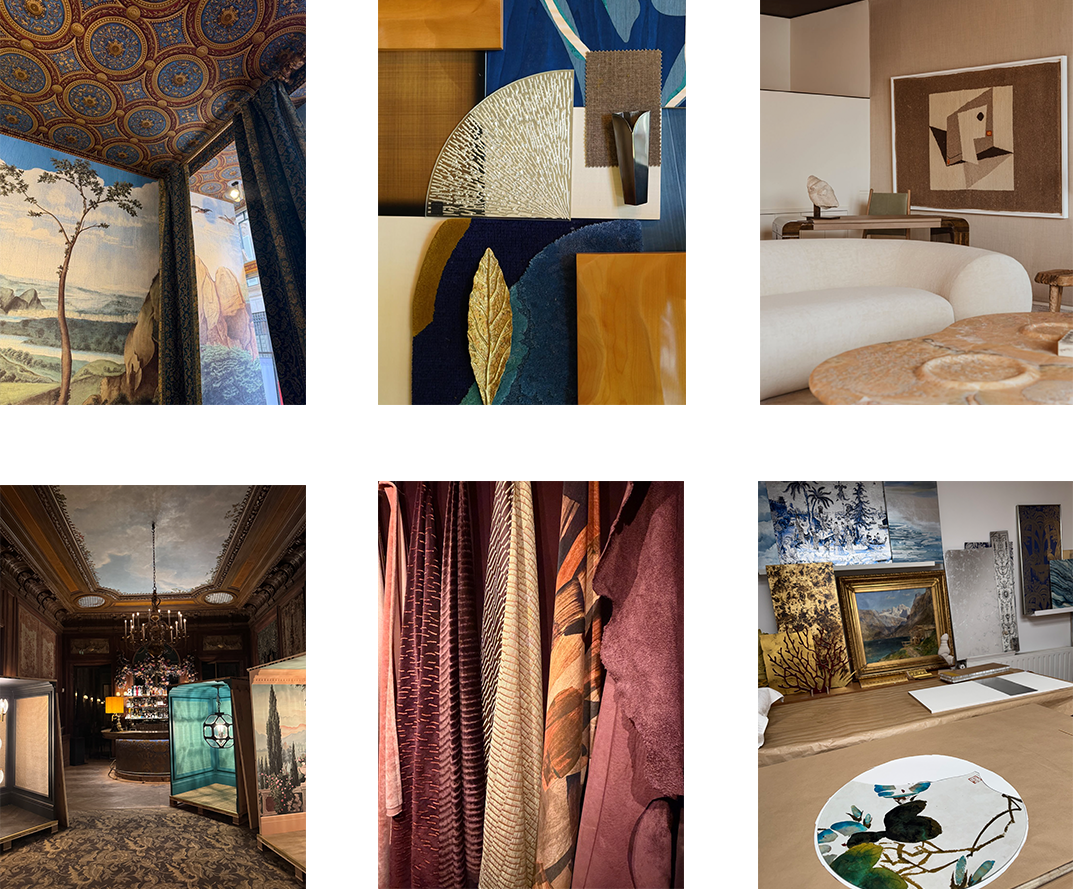
4 trend highlights
What emerged from design week was a series of noticeable shifts: a renewed reverence for the handmade, a more expressive use of color and light, and a sophisticated dialogue between historic French savoir-faire and modern design language. These currents point to a future of interiors that feels less rigid and more personal.
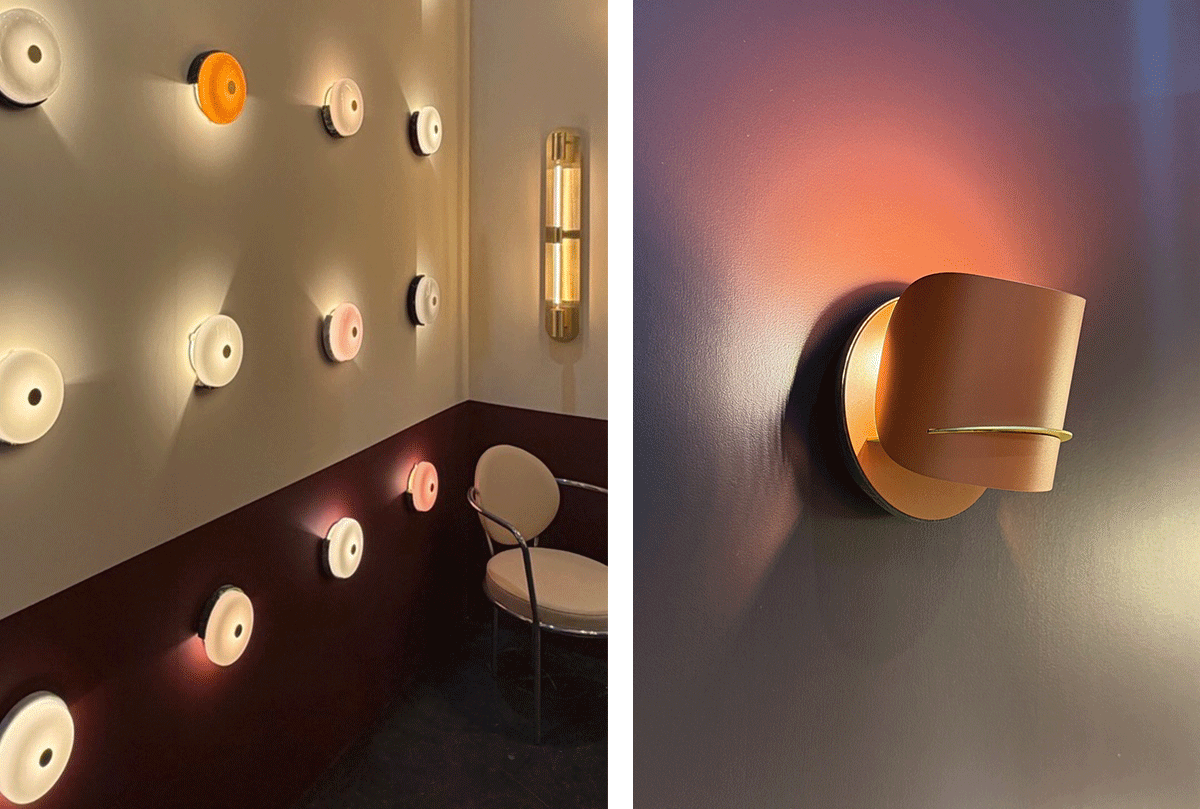
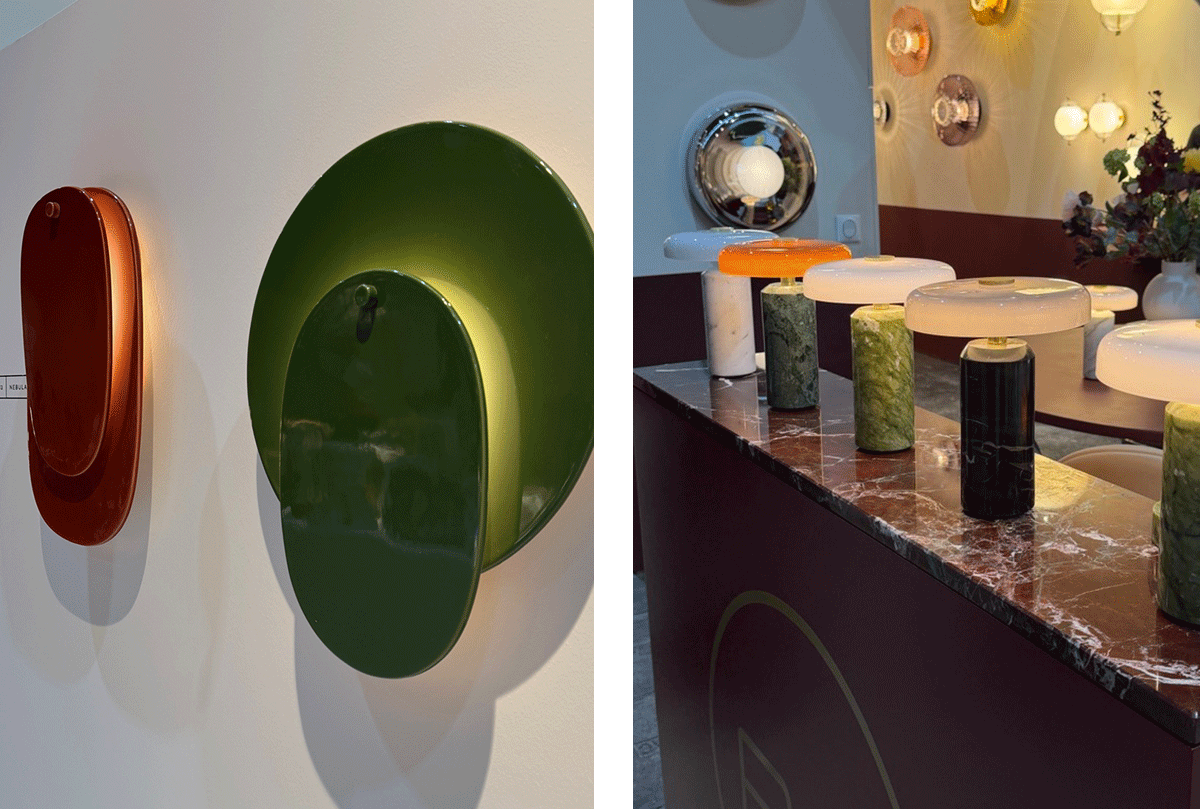
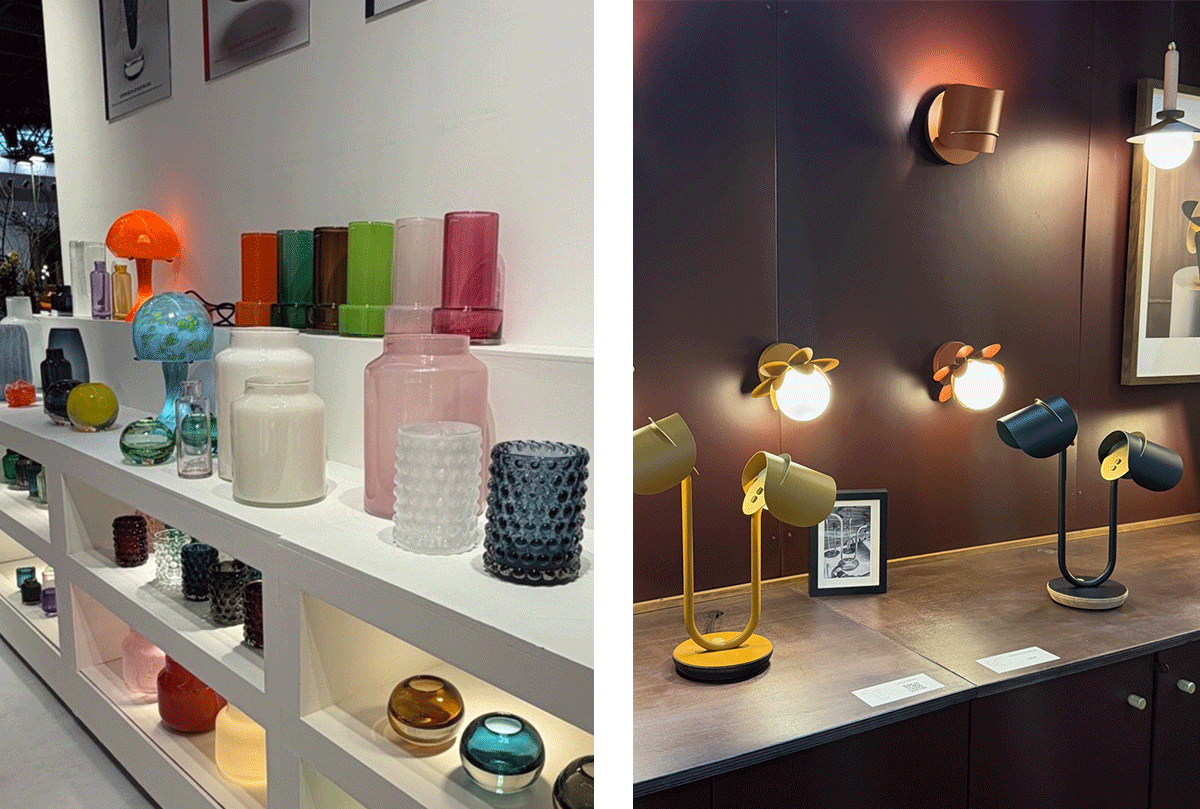
1. Colorful, Expressive Lighting
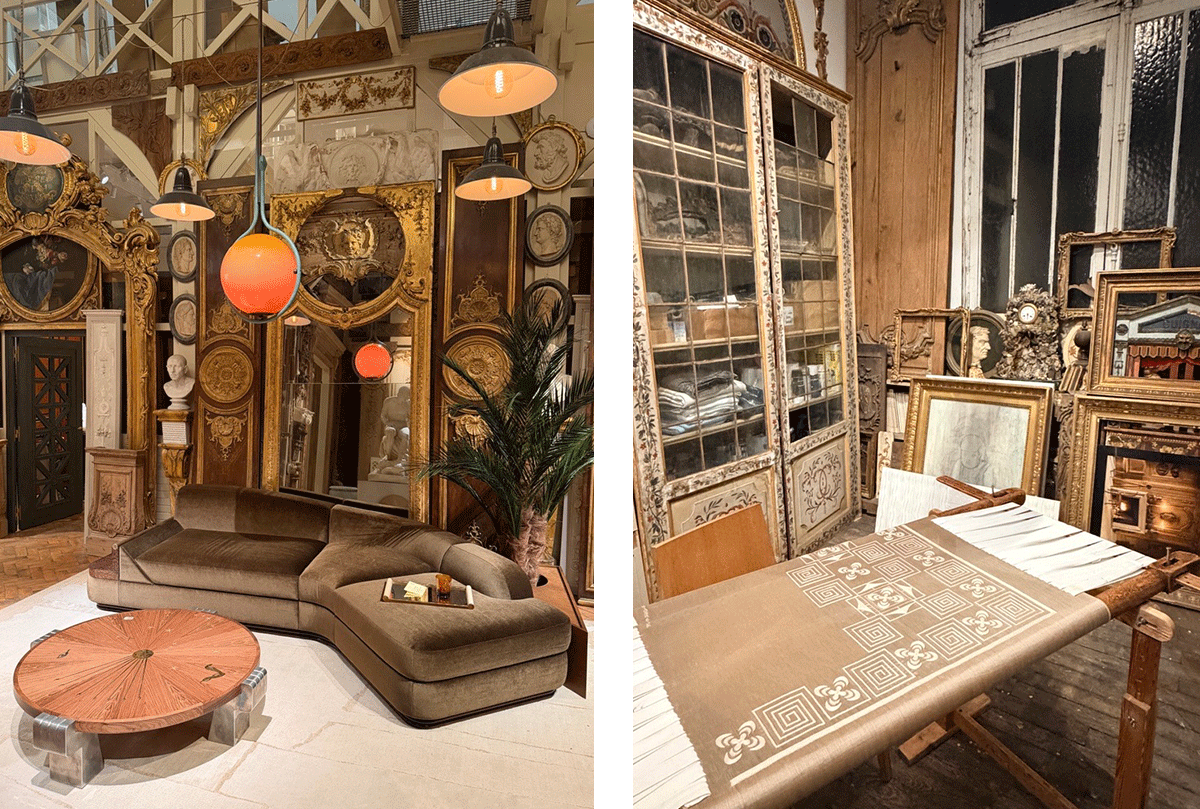
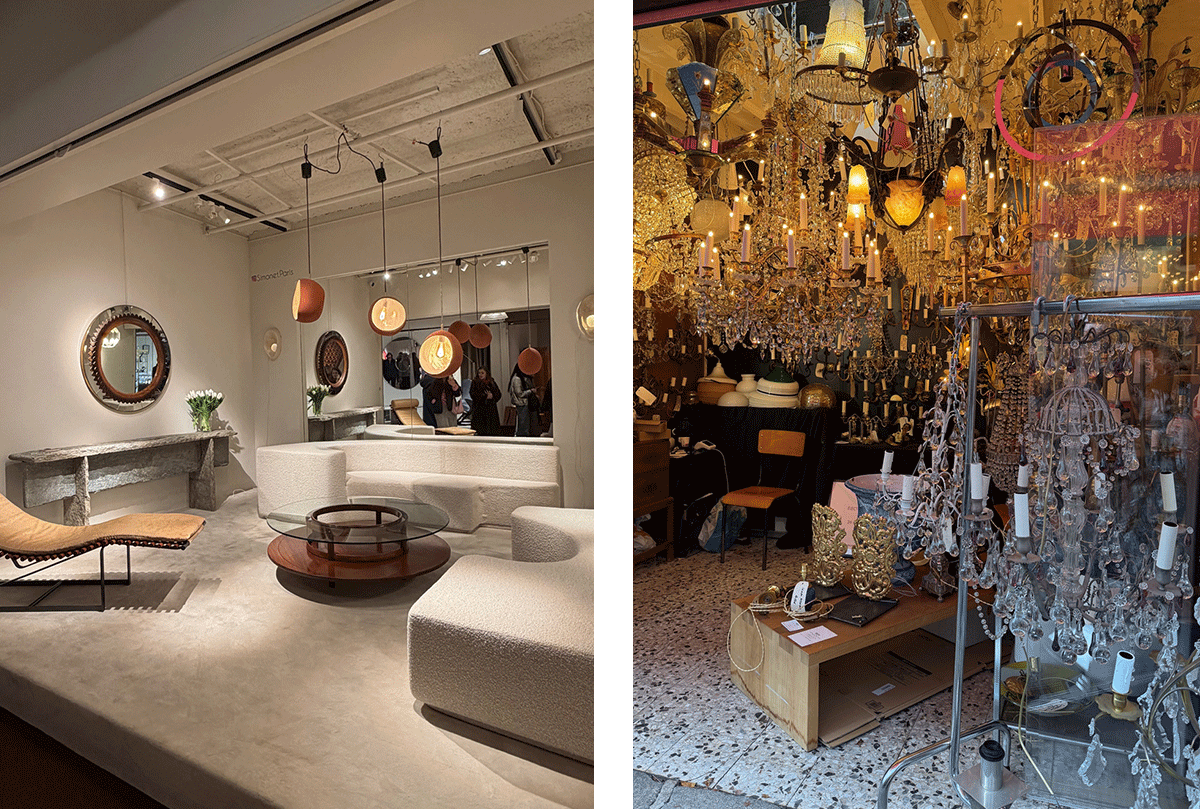
Lighting stepped decisively out of the background and into the spotlight. Across showrooms and galleries, fixtures were treated less as functional necessities and more as bold, sculptural objects that anchor a room. What felt particularly fresh was the confidence behind this shift. Color was not used sparingly or as an accent, but as an integral part of a fixture’s identity. This lighting trend feels playful and atmospheric, capable of transforming a space through tone and mood as much as illumination.
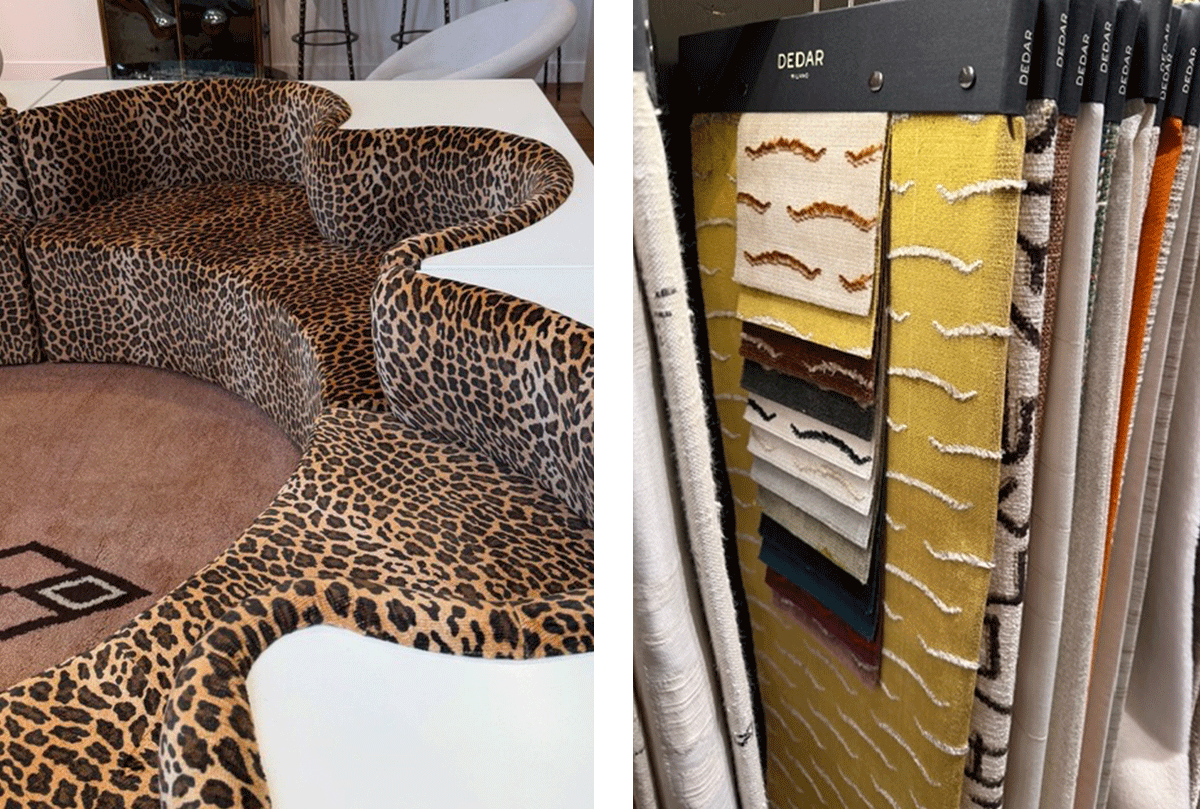
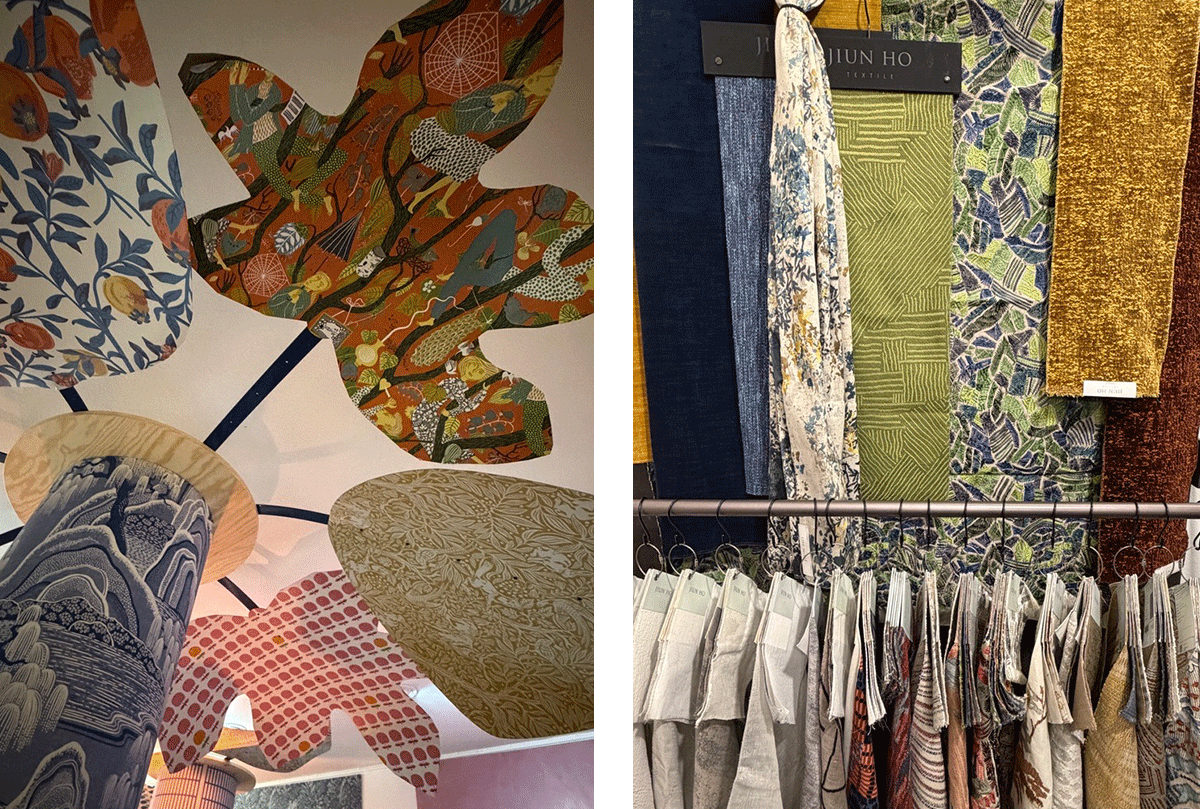
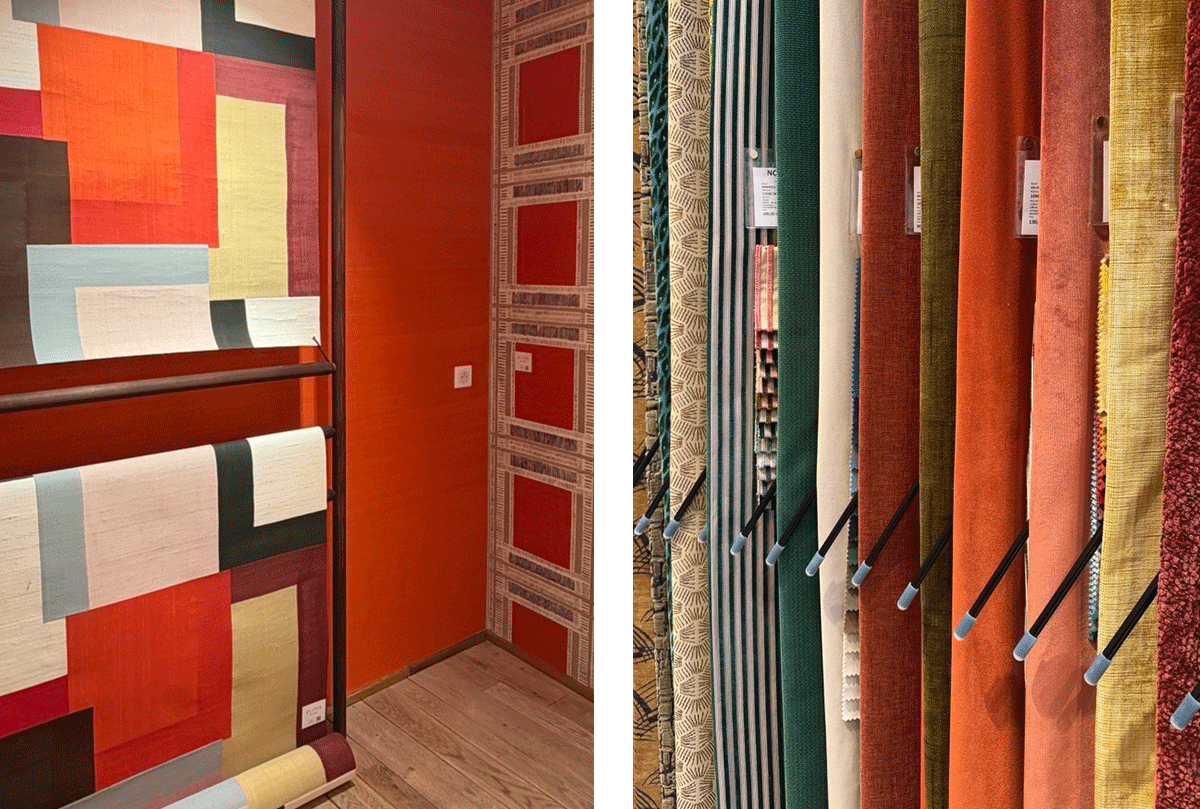
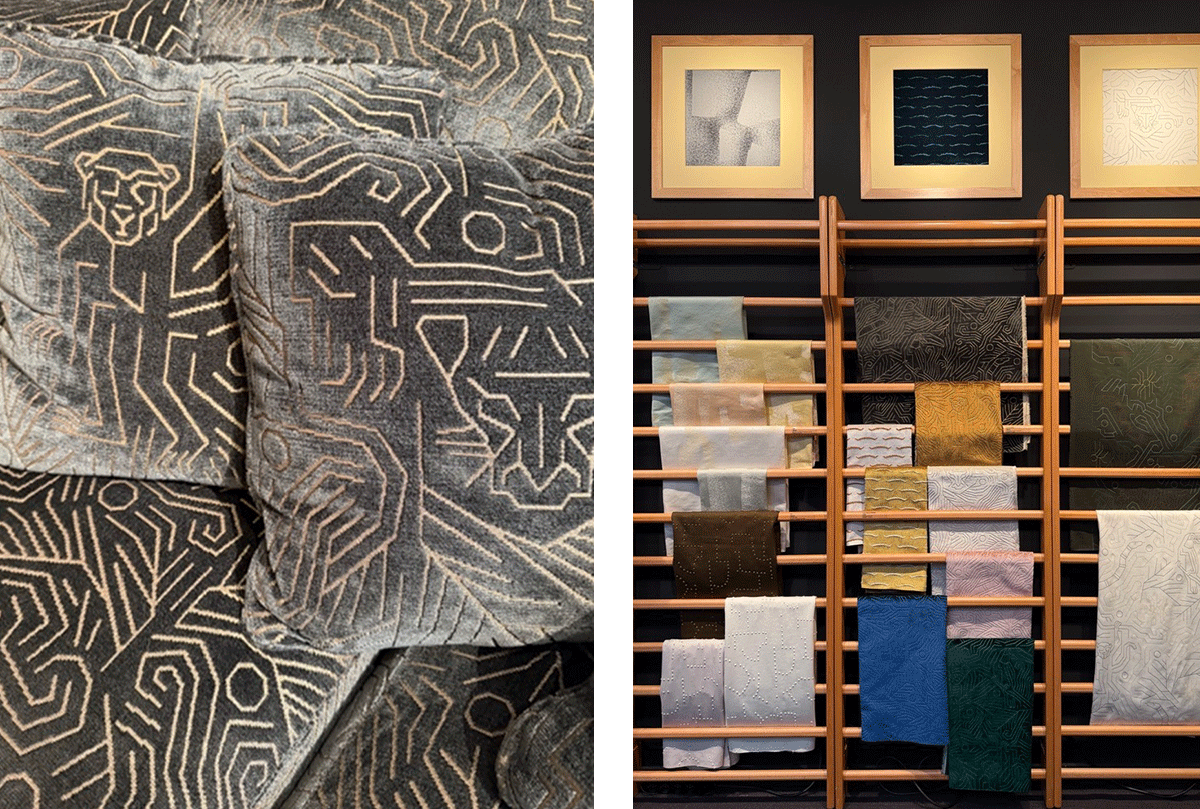
2. Bright & Playful Prints and Embroidery
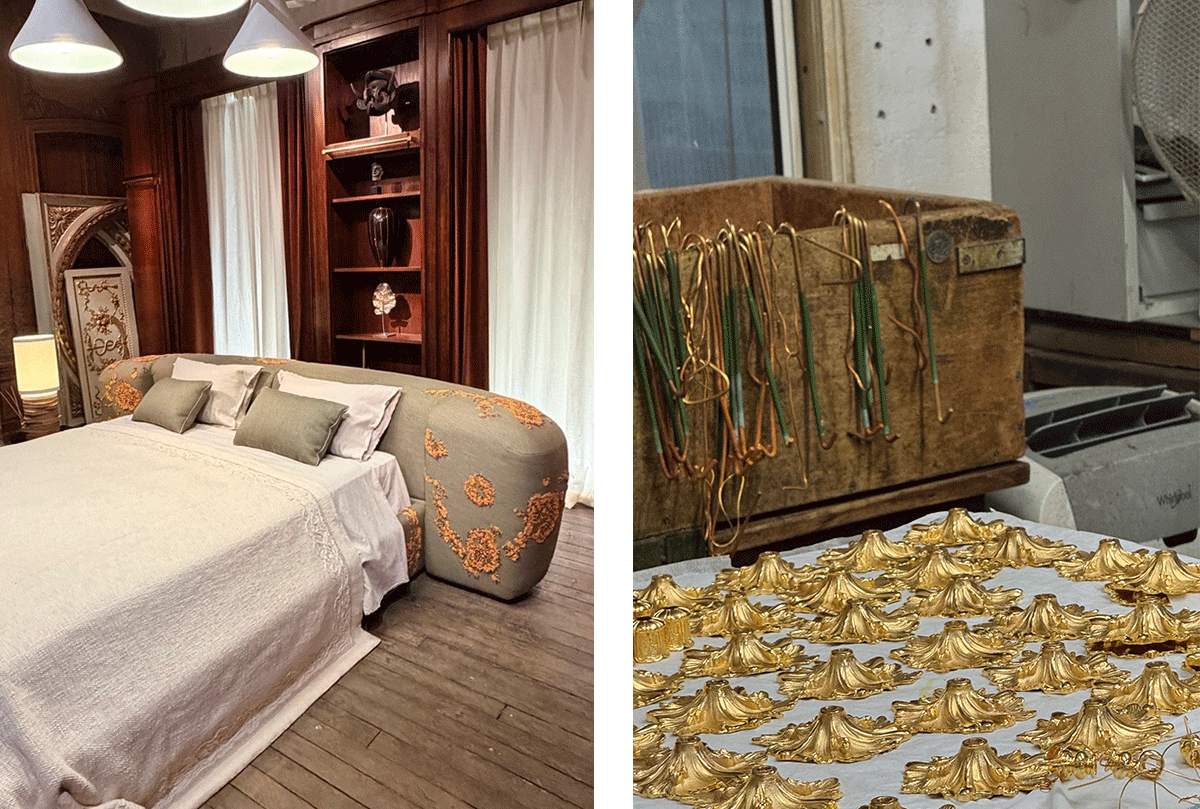
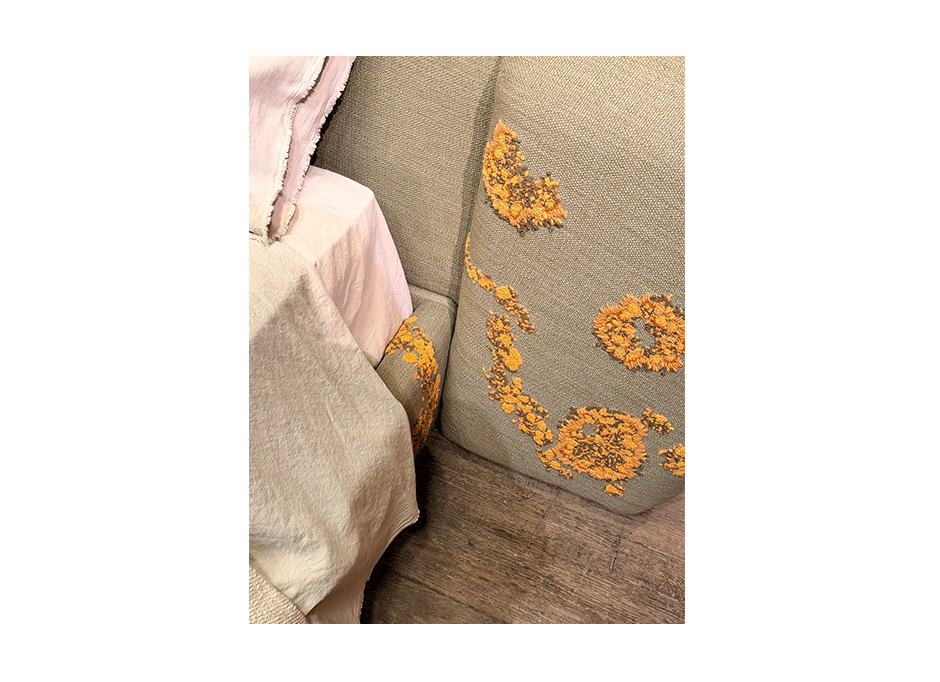
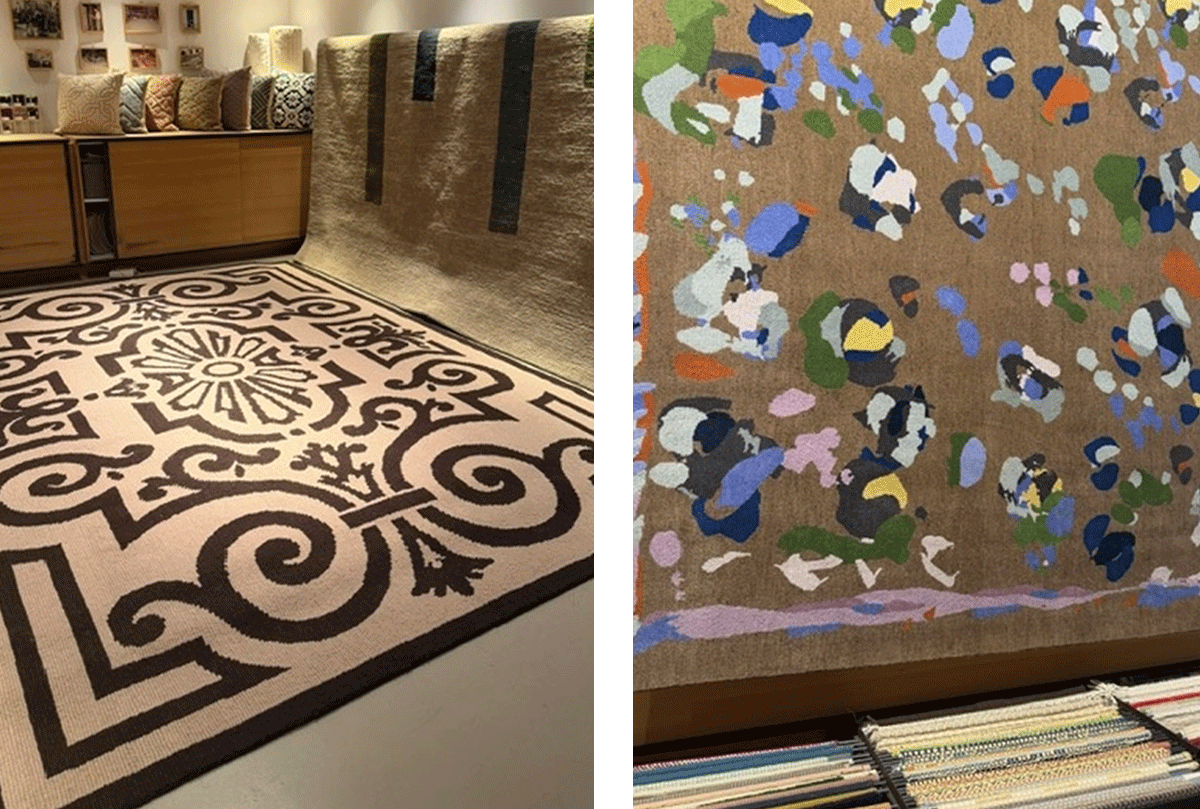
Rich, saturated colors and boldly scaled patterns were impossible to miss across the textile halls of Maison & Objet and throughout Parisian showrooms. From unapologetic prints to whimsical, hand-stitched embroidery, textiles took on a new sense of confidence, signaling a clear shift toward more expressive and indulgent interiors. Neutrals remain an important counterpoint, but now they are being used to frame and temper these vivid moments rather than define the space themselves.
At the same time, textile design is being driven by a renewed respect for craftsmanship. Intricately woven jacquards and couture-level embroidery revealed how traditional techniques are being reintroduced with a lighter, more contemporary spirit.
3. mixed Materials
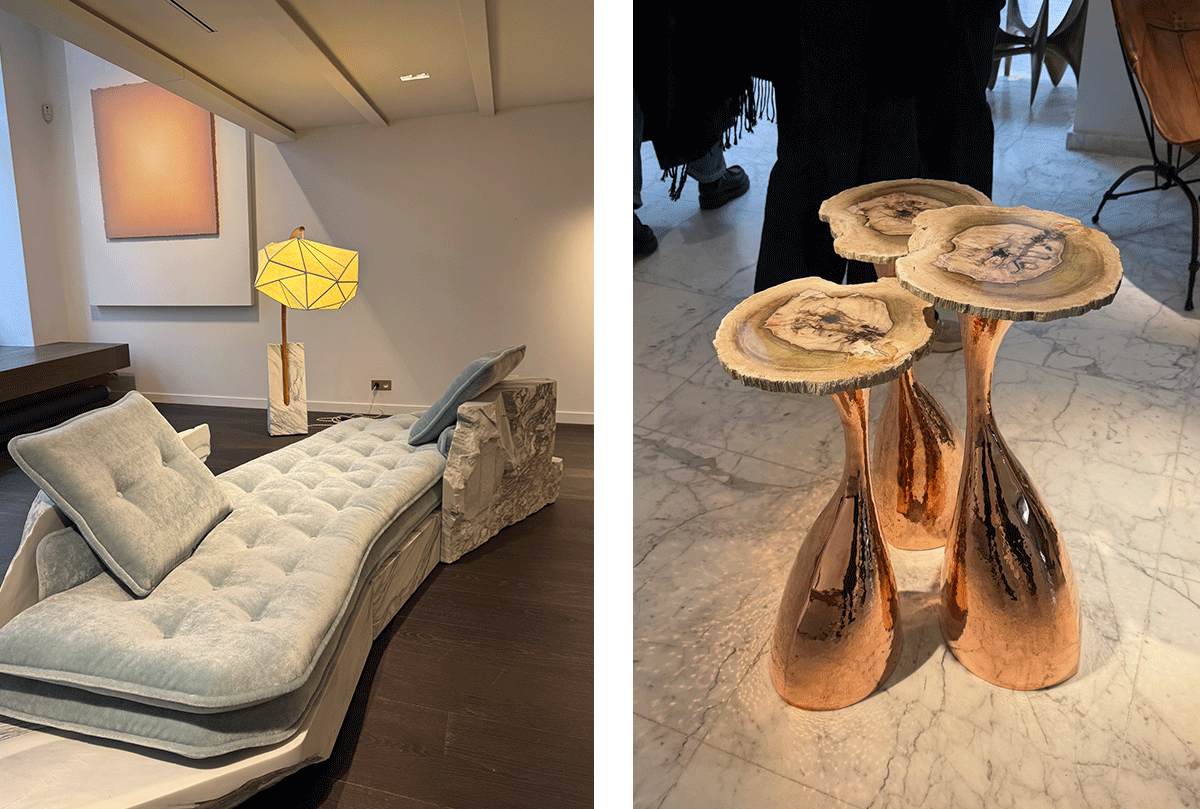
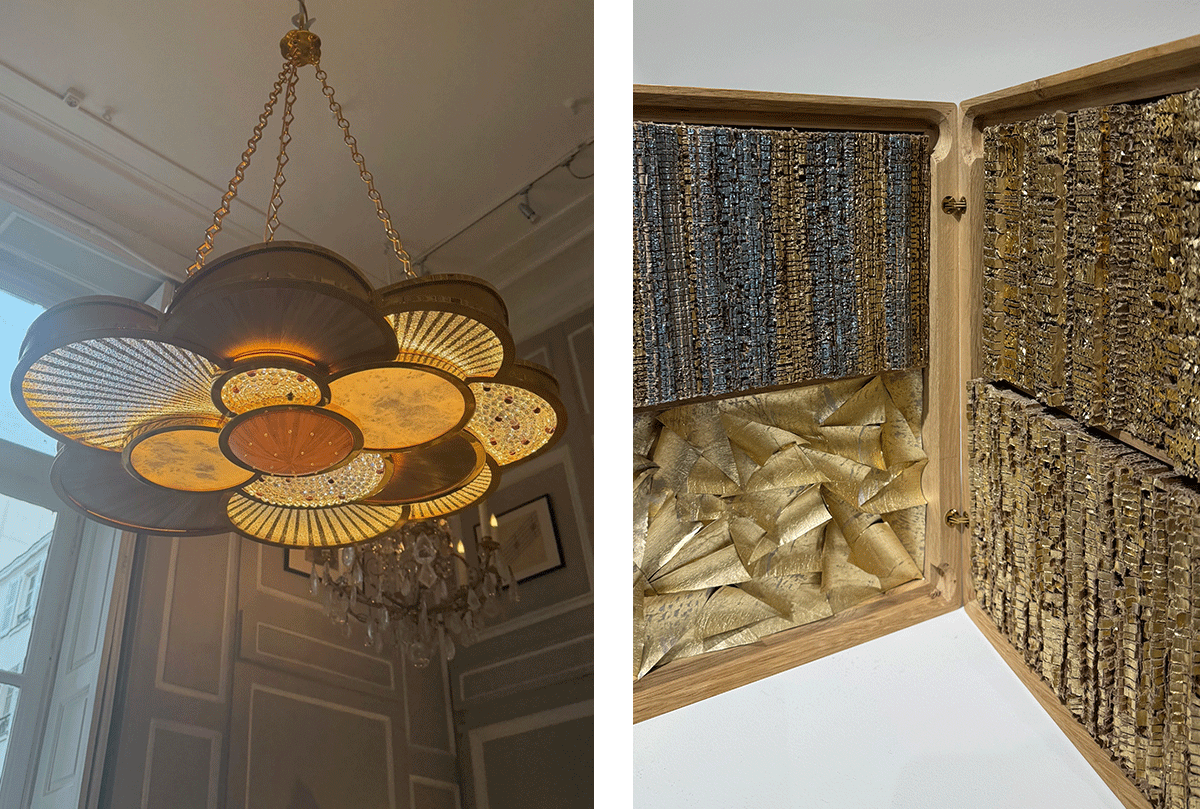
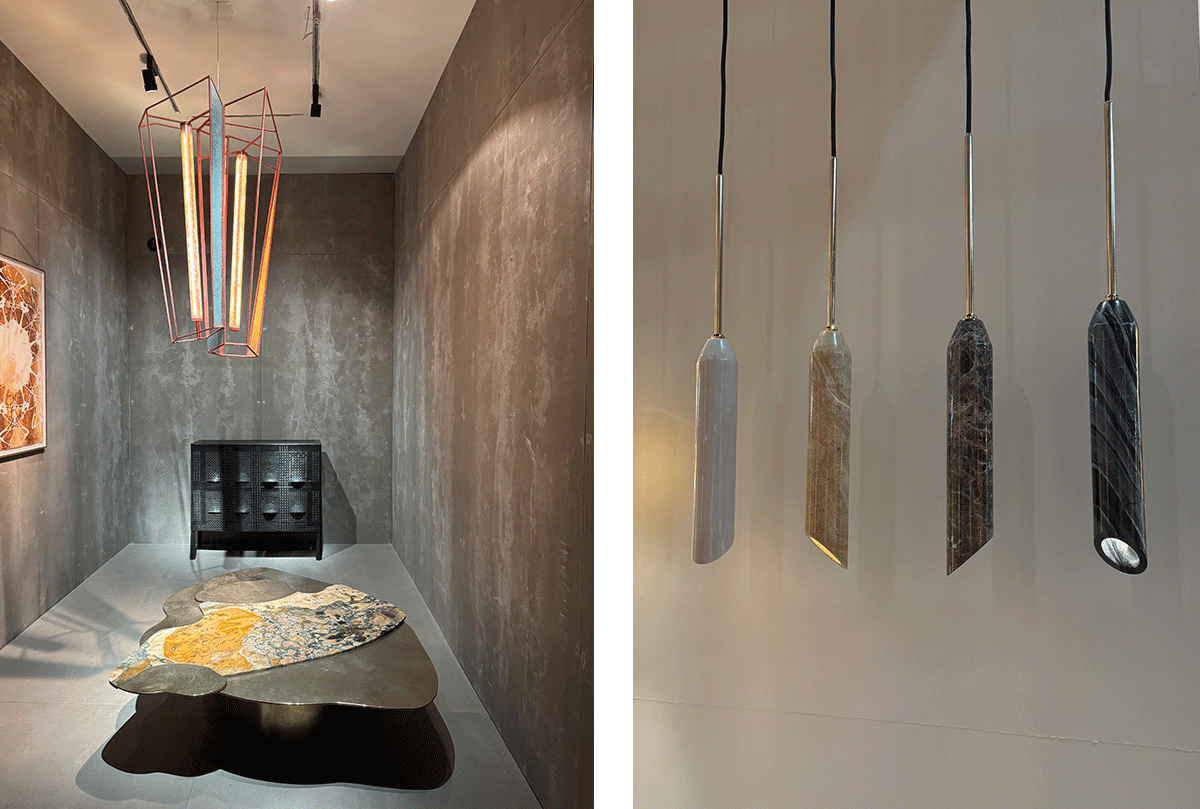
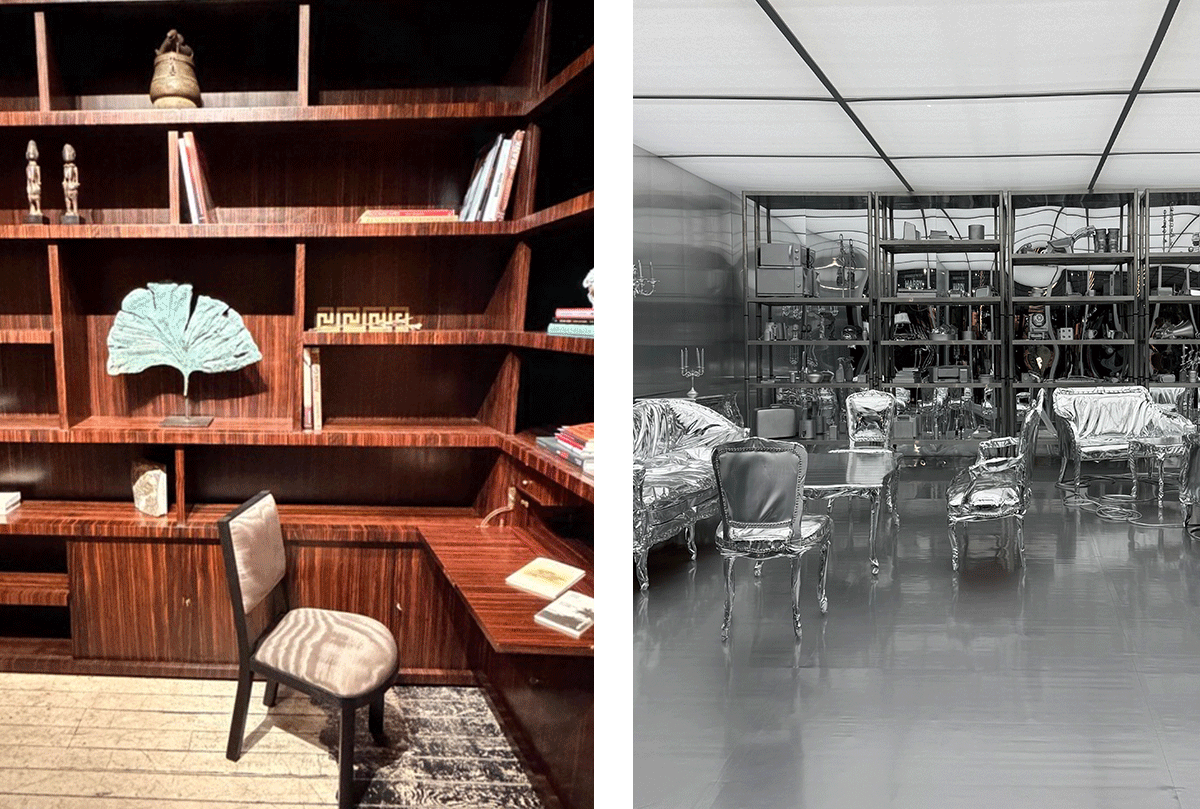
Across both furniture and lighting, mixed materials emerged as one of the most compelling expressions of contemporary luxury. Stone and metal were featured prominently, creating pieces that feel both grounded and striking, and signaling a more experimental, tactile approach to opulence. These combinations introduced depth and contrast, allowing each material to heighten the presence of the other.
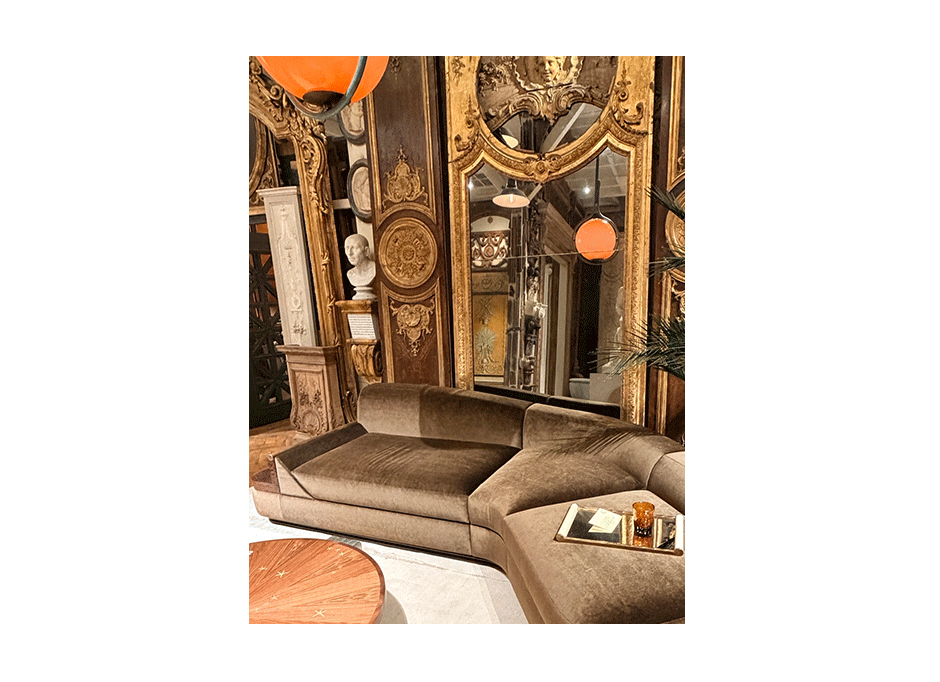
From a sculptural sofa designed by Anthony Guerrée for Les Marbreries de la Seine, Le Lit National, and Dedar, to a dramatic ceiling fixture by Delisle and a coffee table by Vincenzo De Cotiis at the Carpenters Workshop Gallery, the work on view is sculptural and tactile.
4. A Modern Twist on tradition
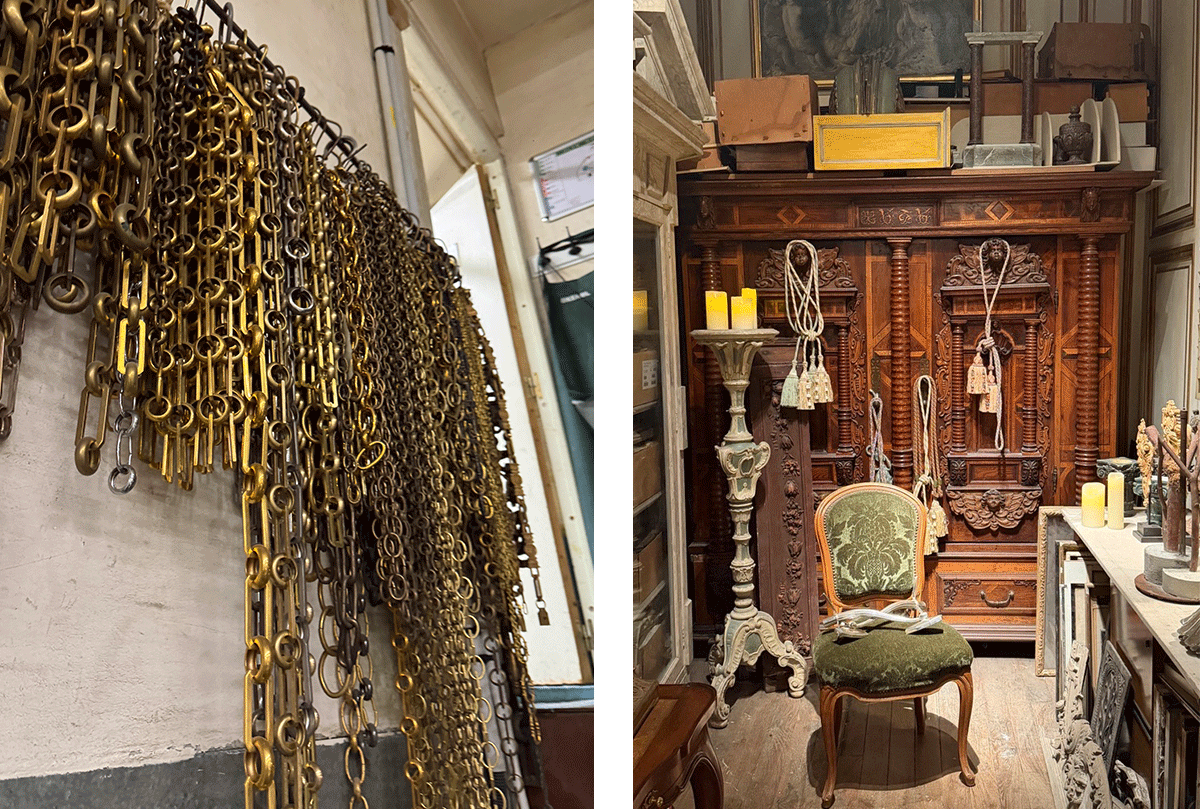
Historic French ateliers, long known for their mastery of boiserie, metalwork, and decorative arts, are applying their savoir-faire to designs that feel streamlined, sculptural, and relevant to modern interiors.
Studios such as Féau, Rinck, and Delisle embody this shift. Their work maintains the precision and material richness that define their legacy, but is expressed through cleaner lines and bolder forms that suit today’s spaces. The result is a refined modern opulence, where centuries-old craftsmanship is not replicated, but thoughtfully reimagined.
Francis Nicdao’s Highlights
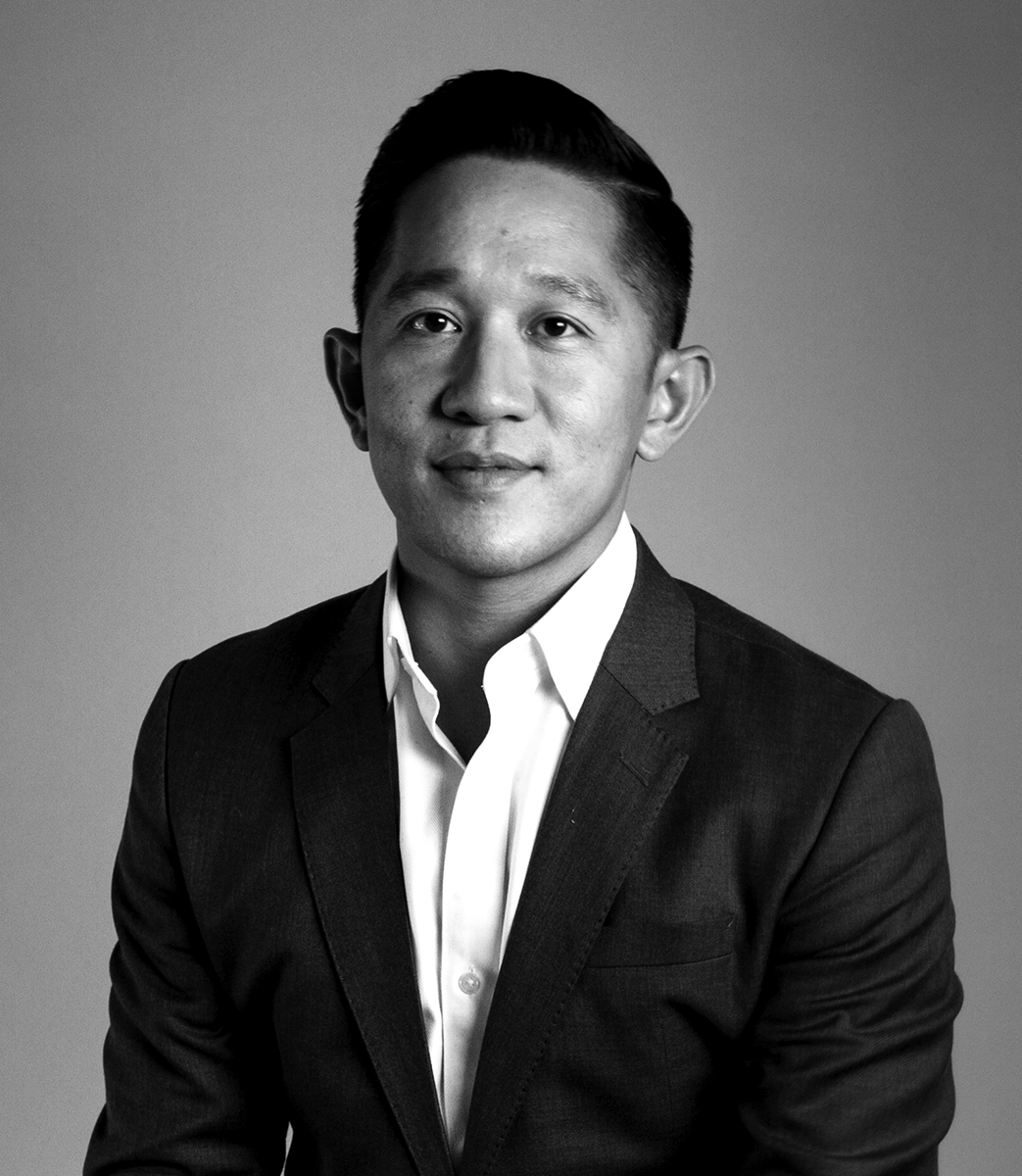
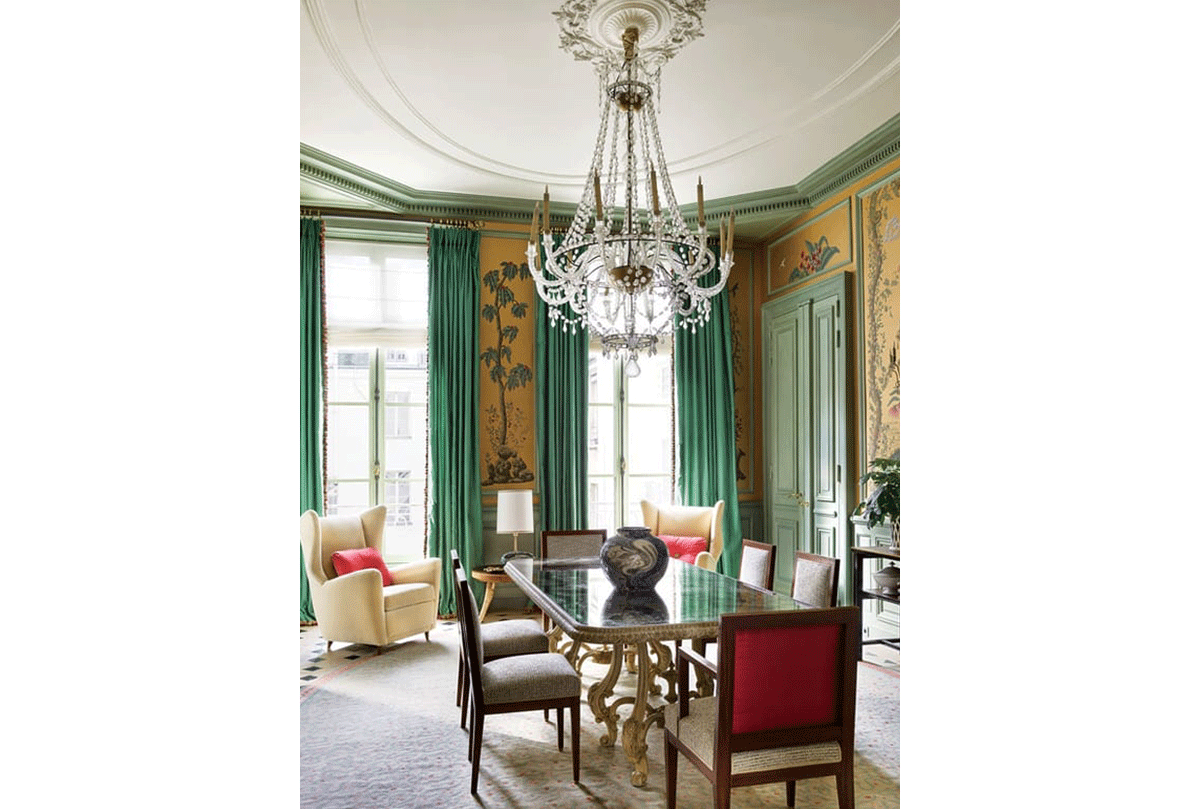
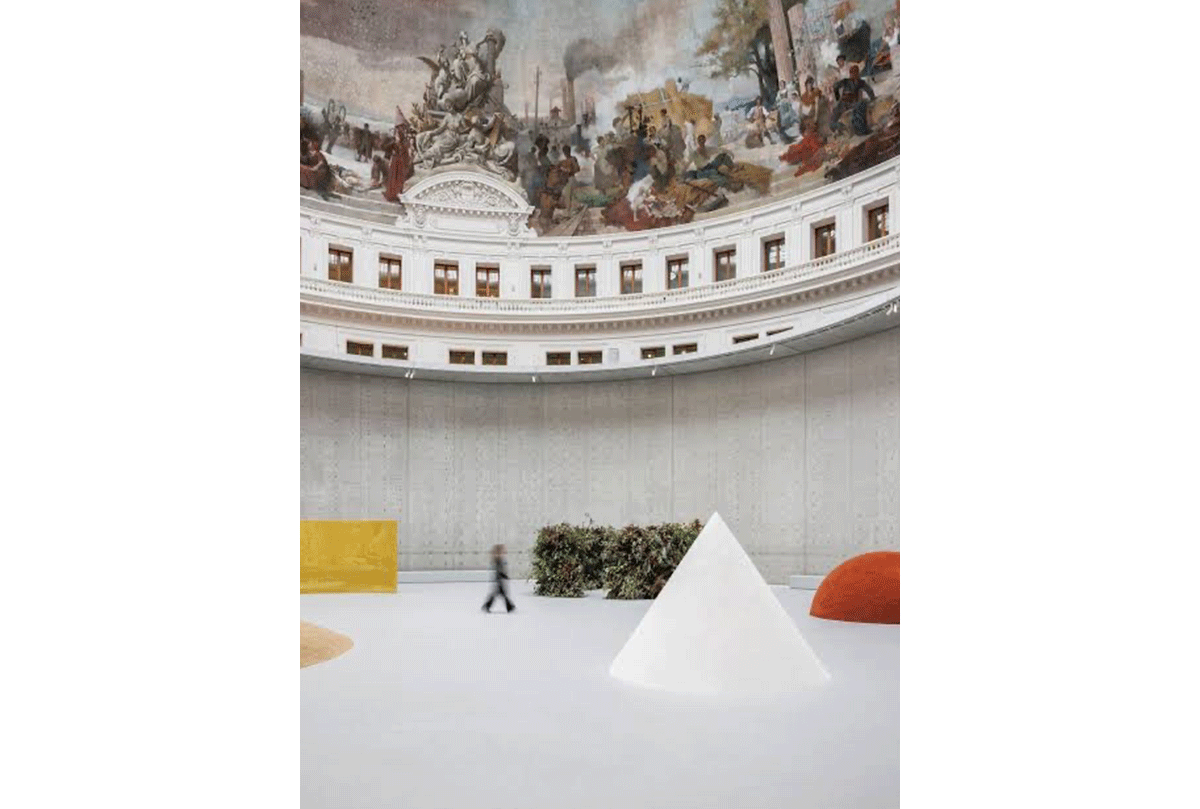
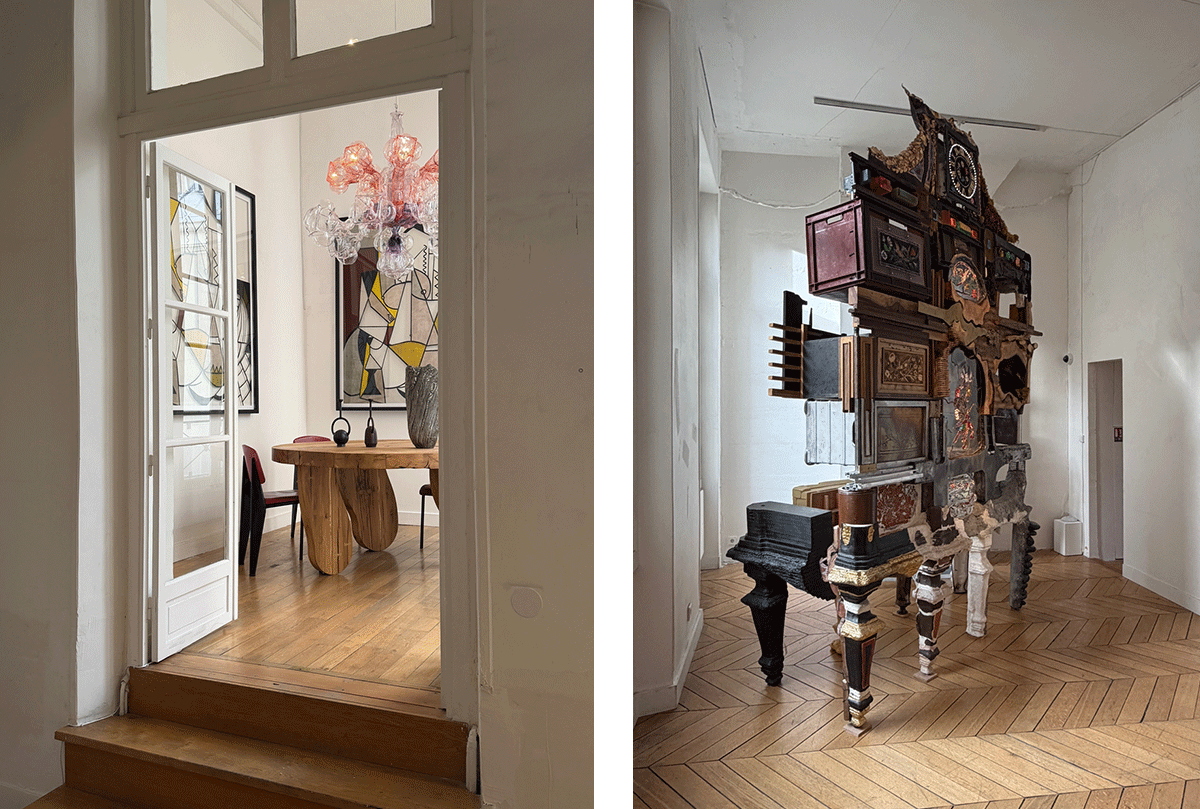
A few moments in Paris stood out most to Francis. An intimate evening in Bill Richards’s Paris apartment, hosted by Galerie Magazine and Stark, offered a rare chance to see art and furnishings in a lived-in context rather than a showroom. At the Bourse de Commerce, the Minimalism exhibition was made even more powerful by Tadao Ando’s quietly monumental architecture, creating a striking balance between simplicity and scale.
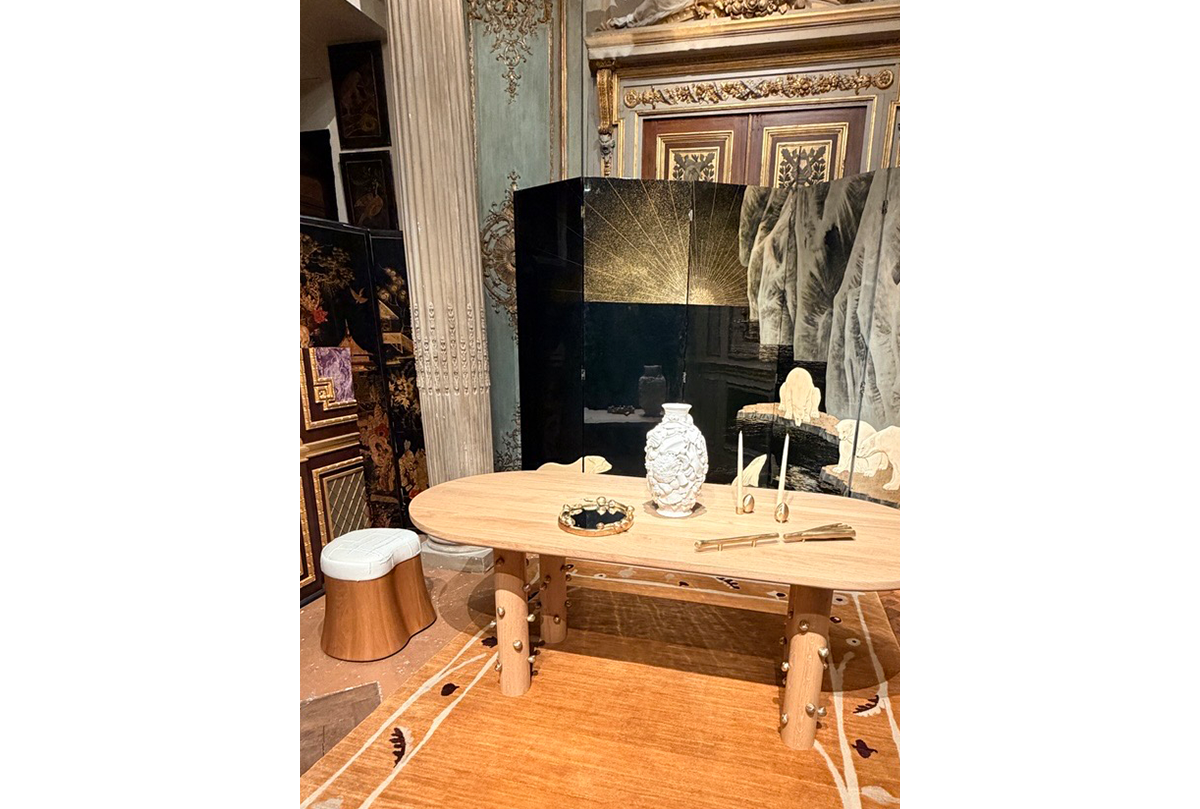
Elsewhere, new works by Invisible Collection were shown against the ornate Féau Boiserie, a pairing that captured the spirit of Paris at its best. A visit to Le Cordon Bleu, where Francis discovered new stone editions by Marmi while taking a cooking class, was a fun, experiential moment. Time spent strolling through galleries, especially Hervé Van der Straeten, rounded out the trip.


Jessica Iwaniec’s Highlights
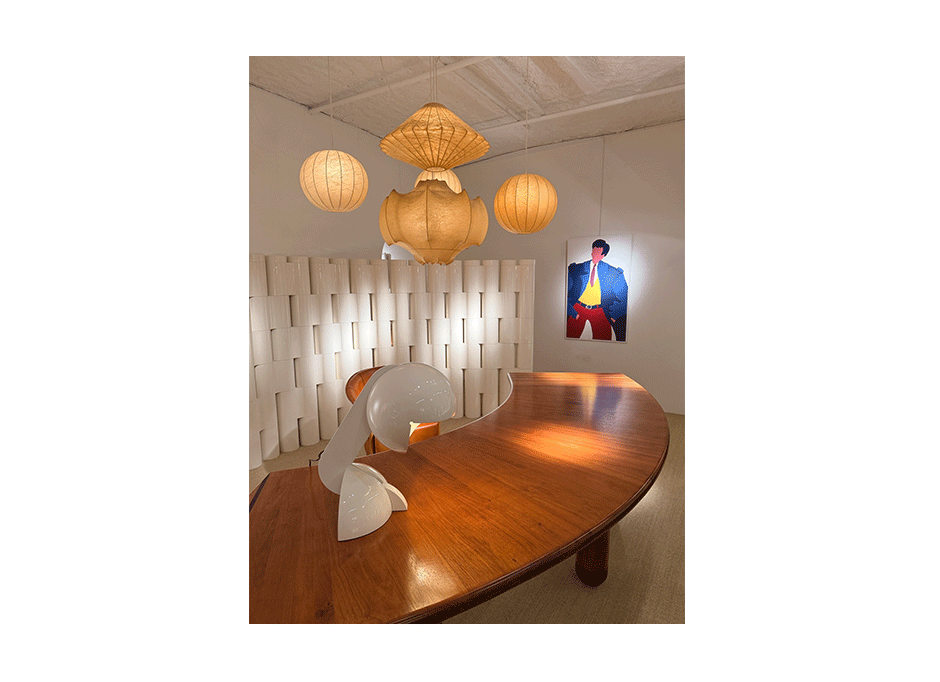
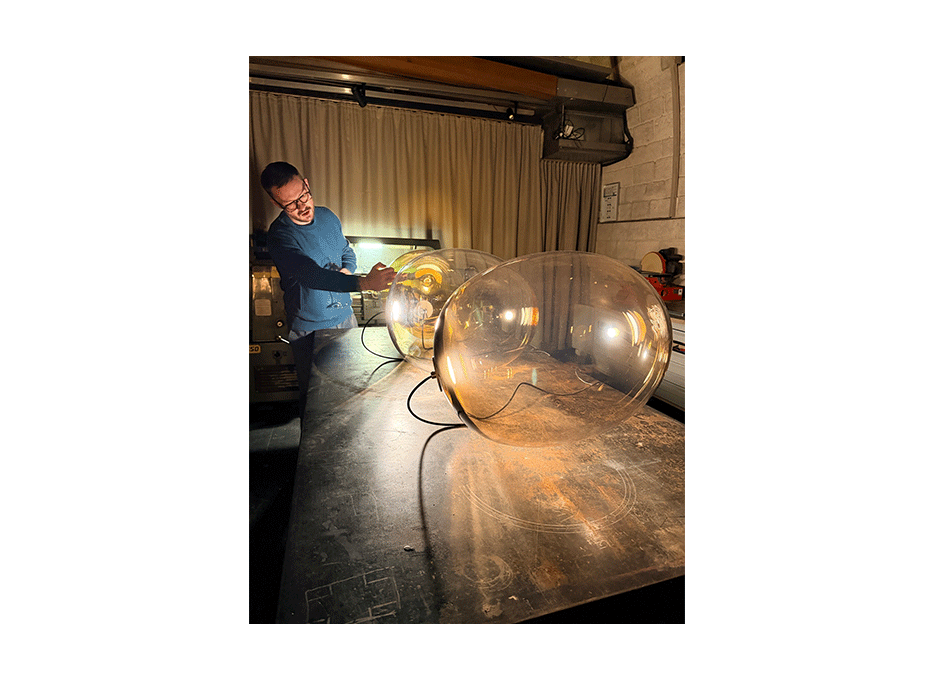
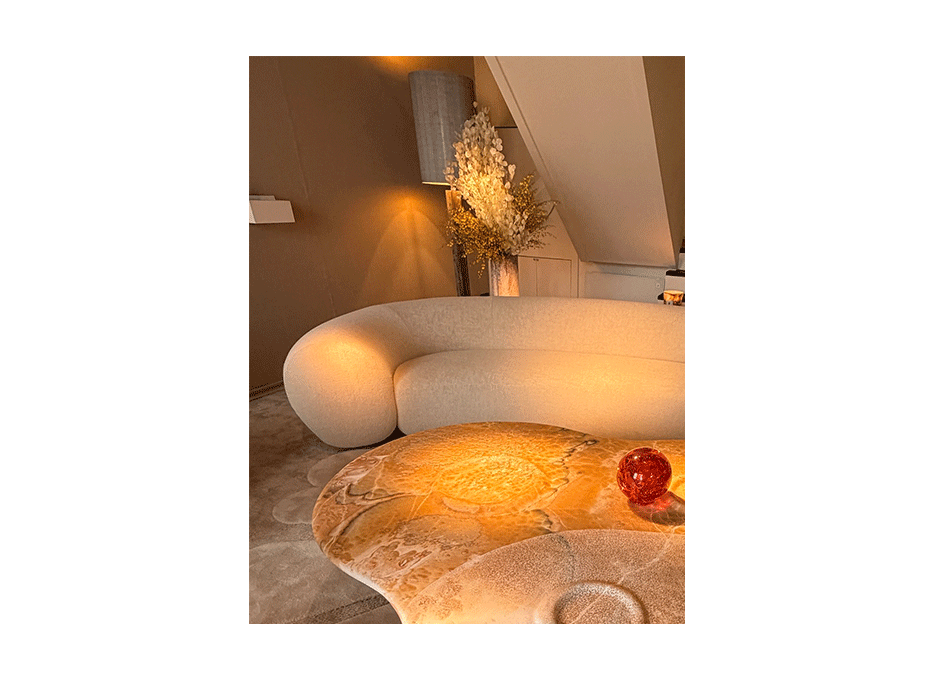
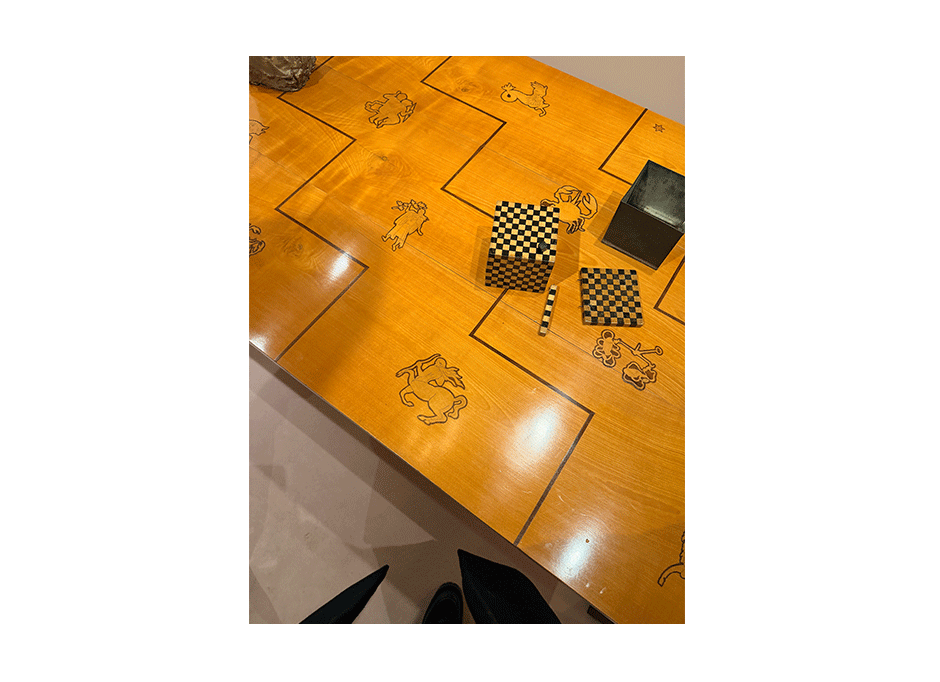
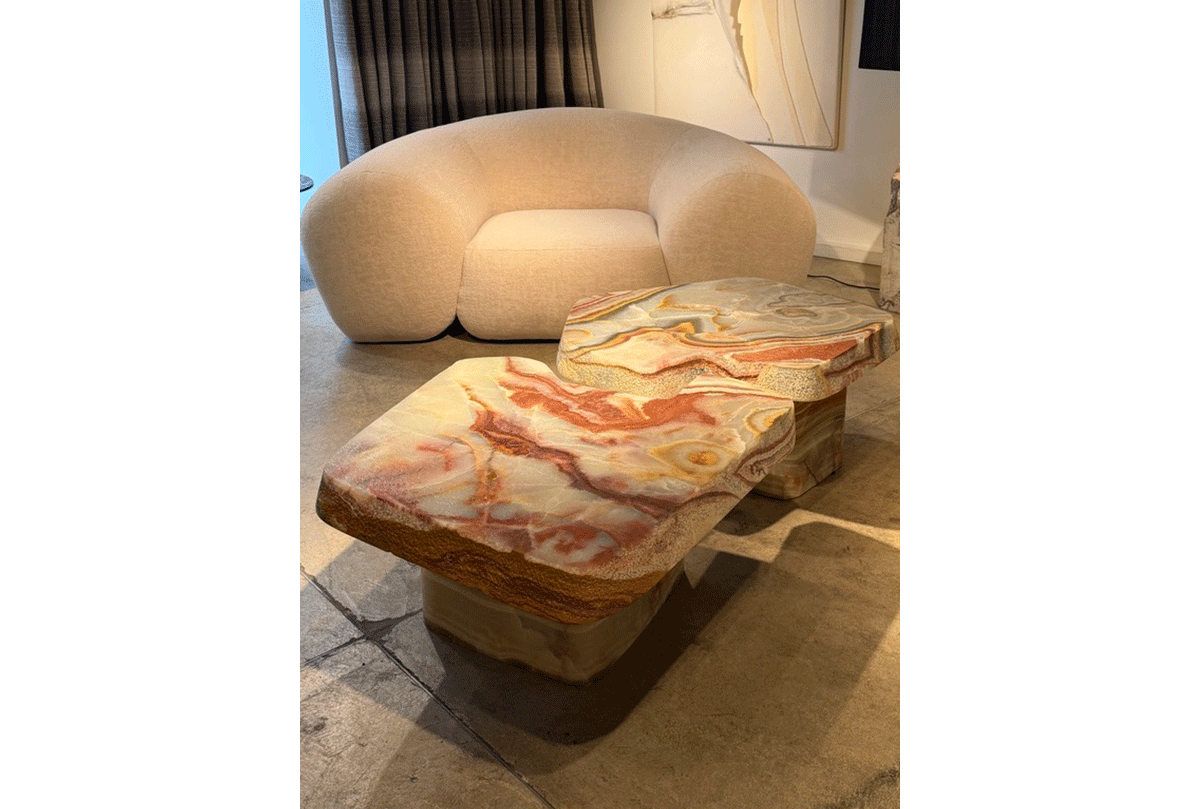
From established showrooms to the Paris Saint-Ouen flea markets, Jessica was drawn to work that revealed the artist’s hand and a thoughtful approach to material and form. A vintage desk at Aurélien Serre was a particular highlight, along with Jeremy Maxwell Wintrebret’s hand-blown glass lighting. At the Thierry Lemaire showroom, a carved stone coffee table made a strong impression, while intricately hand-carved marquetry by a local artist introduced a sense of whimsy and high craft. The Invisible Collection installation at Féau Boiserie brought these ideas together, with contemporary pieces framed by historic detailing that felt both fresh and timeless.

Daryl Cooper’s Highlights
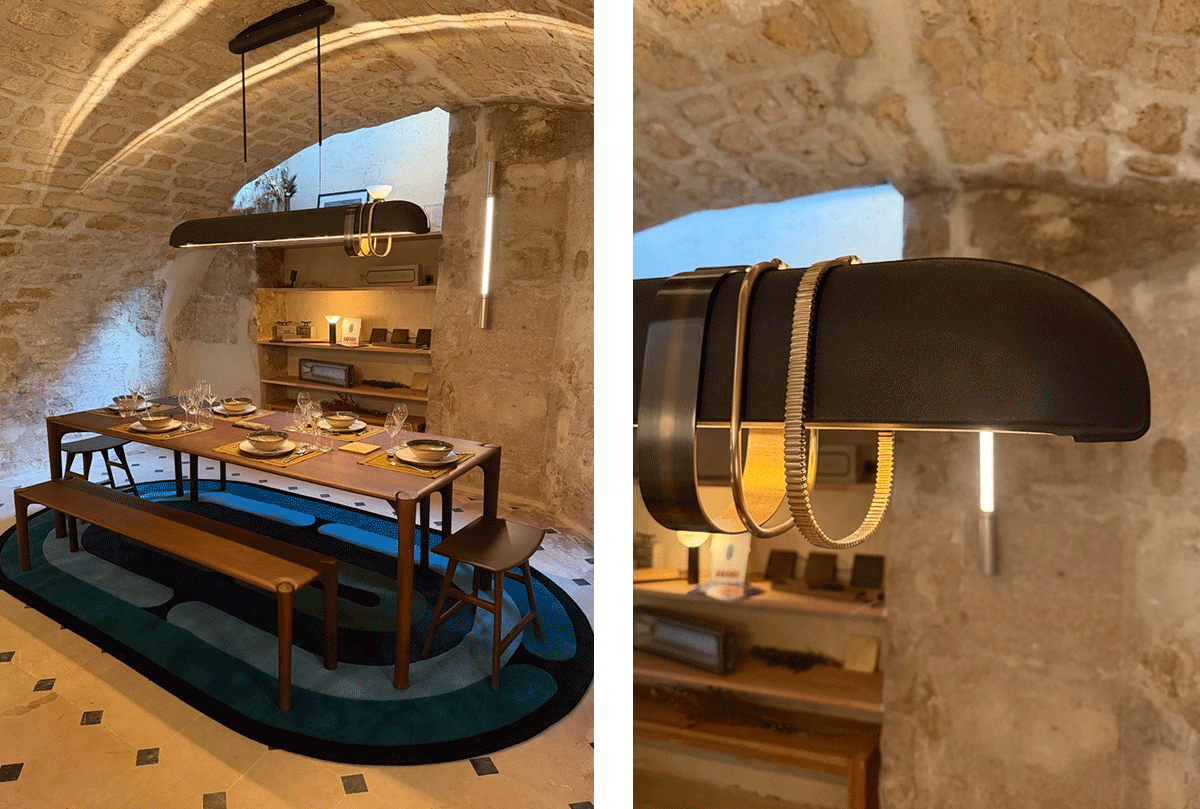
Daryl gravitated to pieces with a strong visual identity and experiences that offered a sense of discovery. Among her favorite finds were a carved stone coffee table by Thierry Lemaire and a striking light fixture by Entrelacs. At Carpenters Workshop Gallery, a piano sculpture by Kostas Lambridis stood out, as did a series of unexpected, elegantly curated rooms. A chandelier from Maison Delisle offered a compelling balance of traditional detailing and modern form, reinforcing the broader dialogue between past and present seen throughout the week.
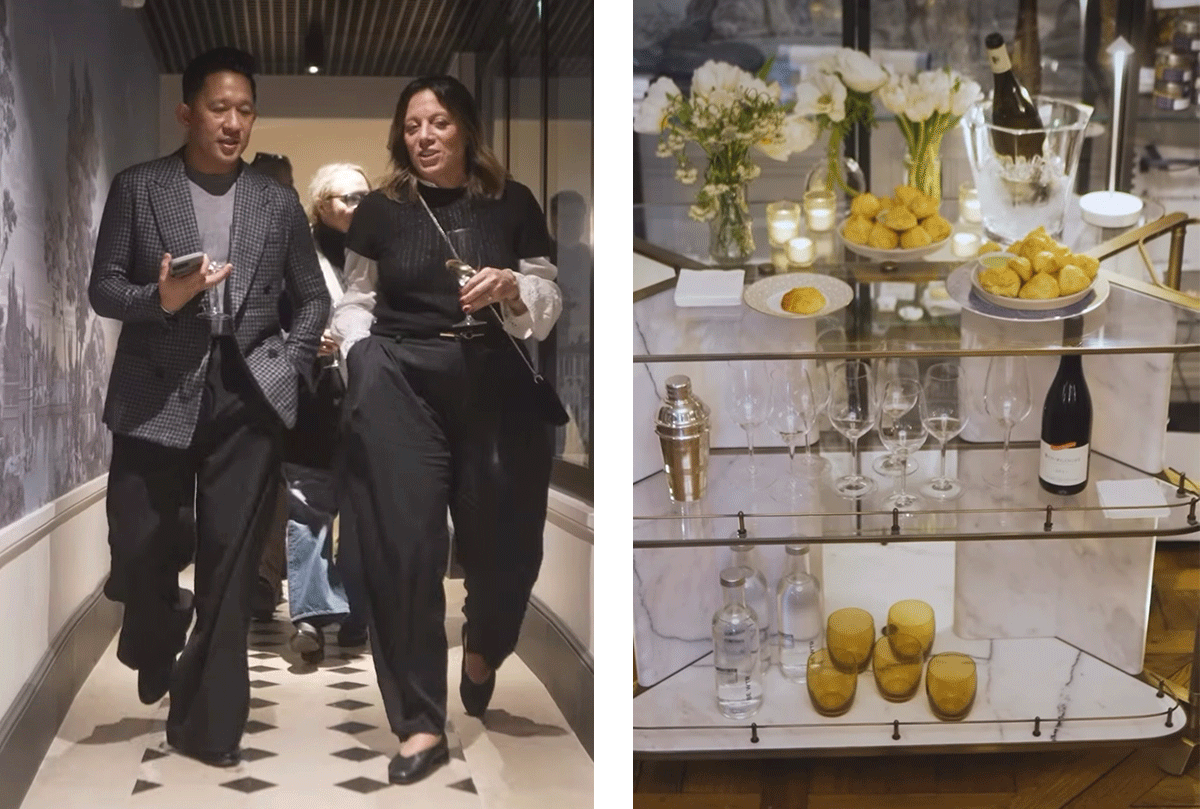
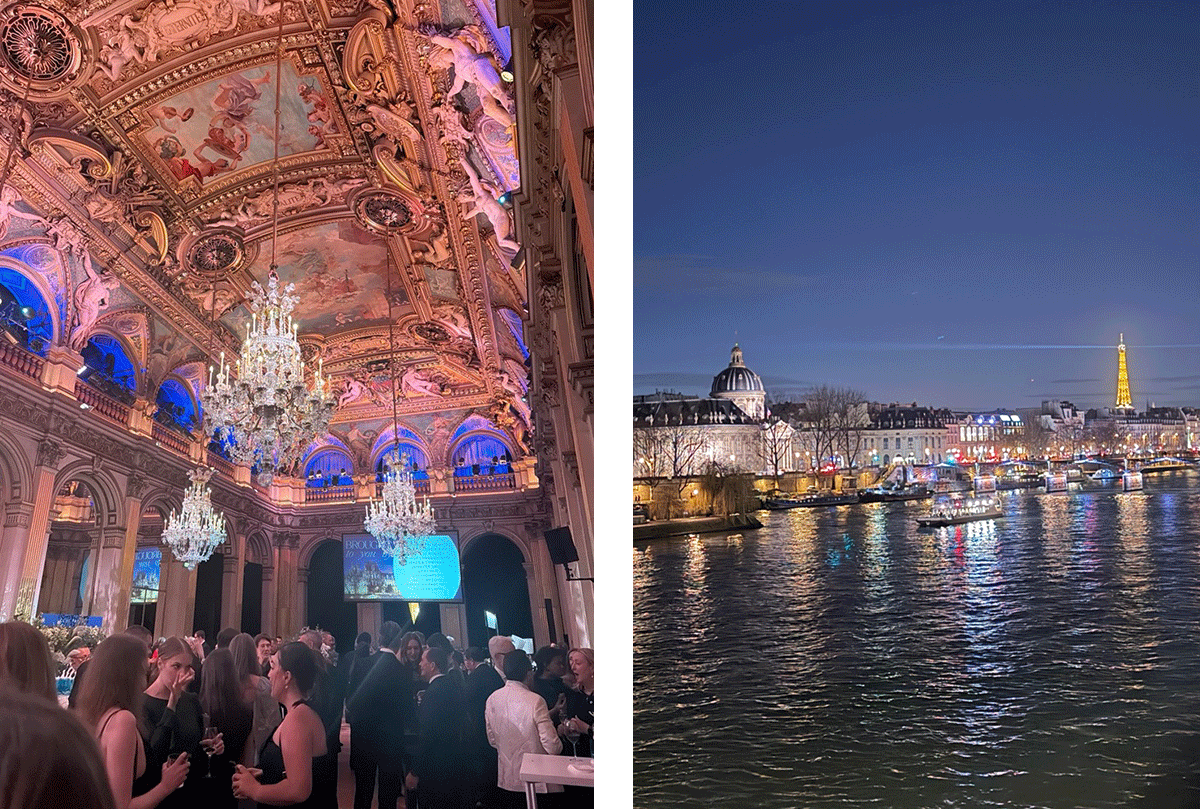
Beyond the showrooms, the energy of the Americans in Paris party at the Hôtel de Ville with a moon-lit walk home across the Seine, and the vast flea markets scattered across Paris all captured the spirit of Paris Design Week as both a design destination and a cultural immersion.

NEW & NOTABLE
Paris Design Week is as much about what you stumble upon as what you set out to see. These studios were among the discoveries that stayed with our team long after the week ended.
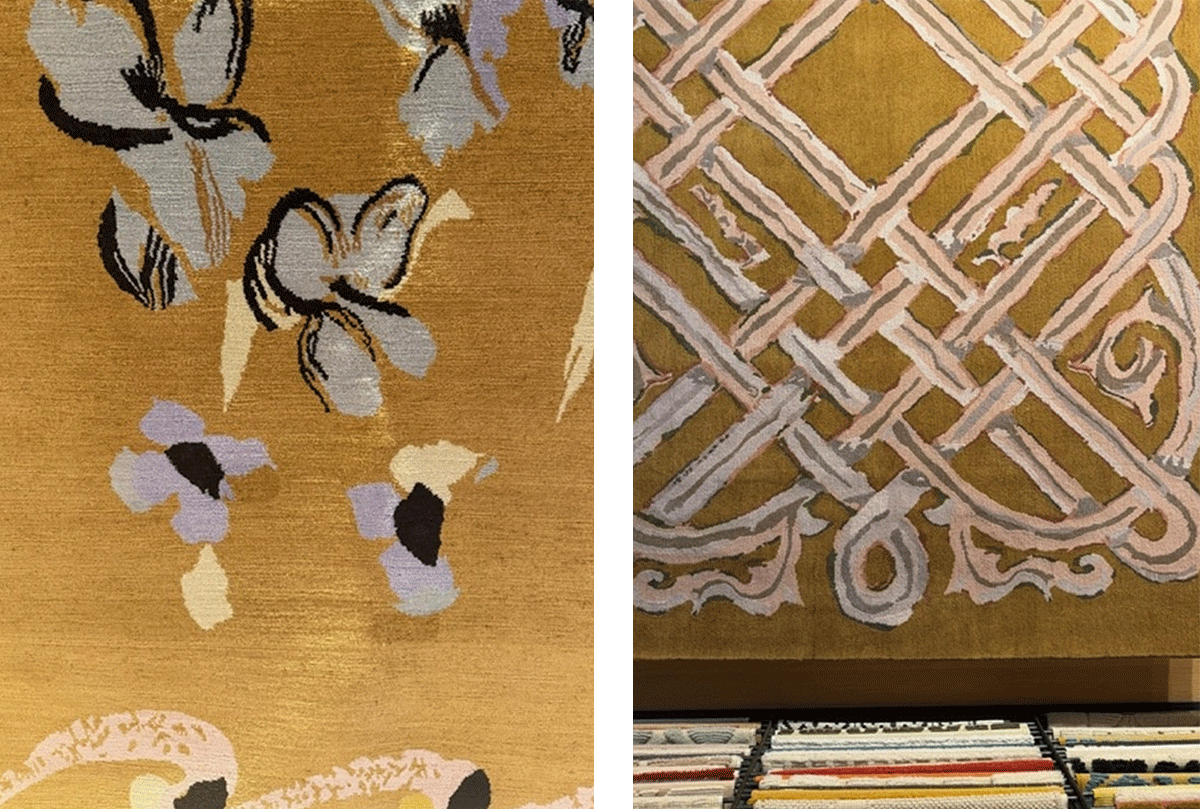
La Manufacture Cogolin
La Manufacture Cogolin is one of France’s most storied textile ateliers, known for its rugs and woven fabrics that blend tradition with modern design. For more than a century, an all-women team has been hand-weaving each piece in the same workshop in Cogolin, France, working without electricity and relying on time-honored looms and techniques passed down through generations.
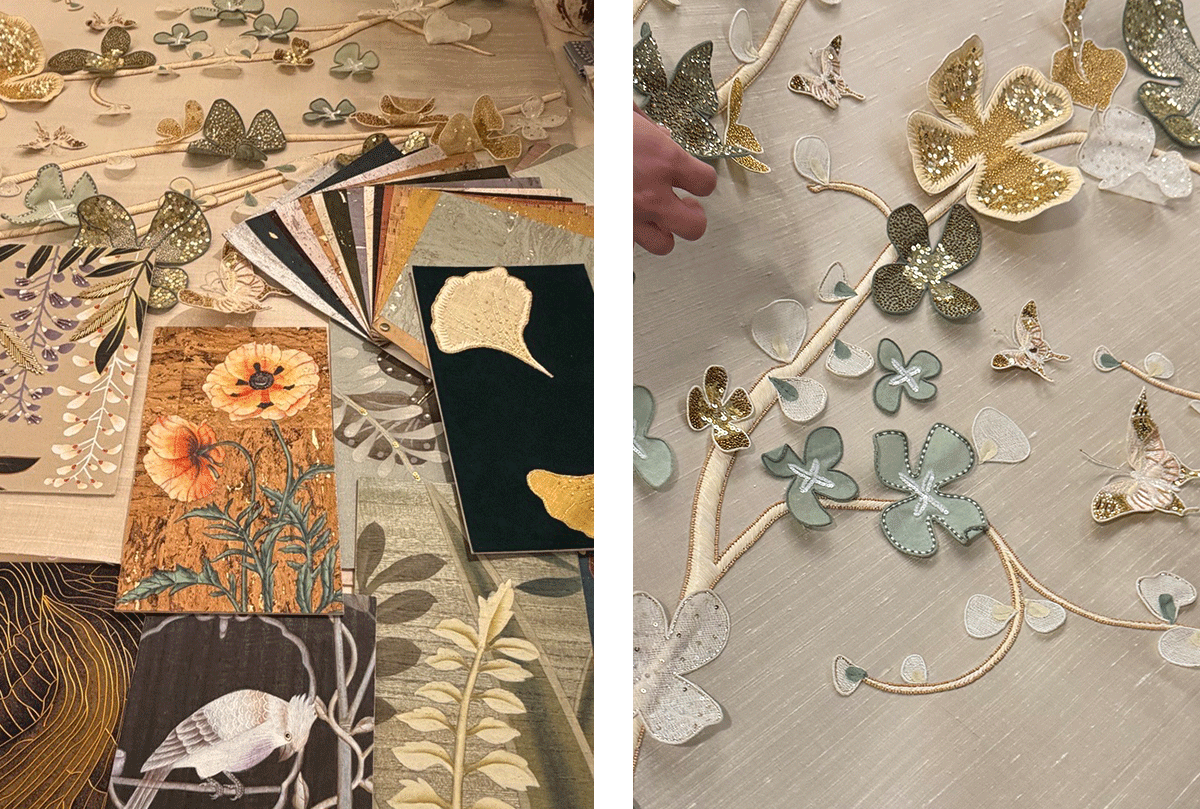
LaLa Curio
LaLa Curio brings a playful, haute couture approach to furniture and decorative objects, with pieces that feel imaginative without sacrificing refinement. Their work celebrates material experimentation and whimsical form, resulting in designs that add personality and a sense of delight to even the most composed spaces.
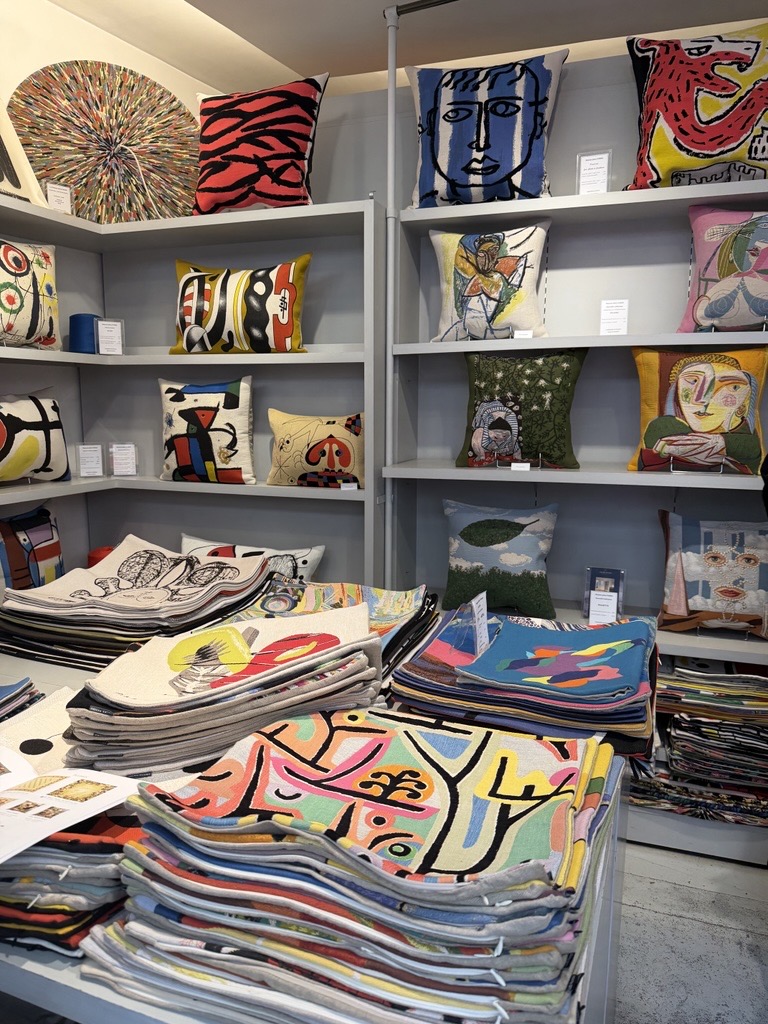
Jules Pansu
Jules Pansu is a historic French jacquard house with nearly 150 years of weaving expertise behind it. Now led by the fifth generation, the studio continues to push tapestry forward, reimagining traditional jacquard techniques through a contemporary lens.
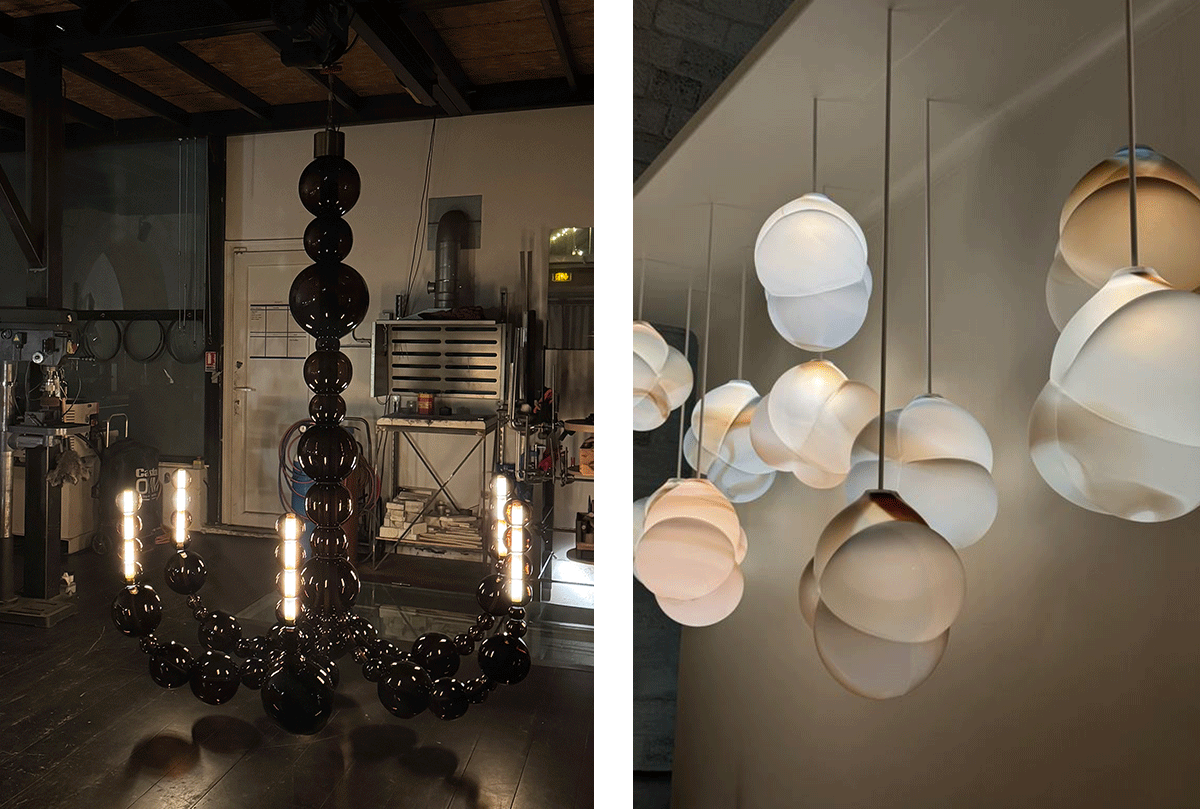
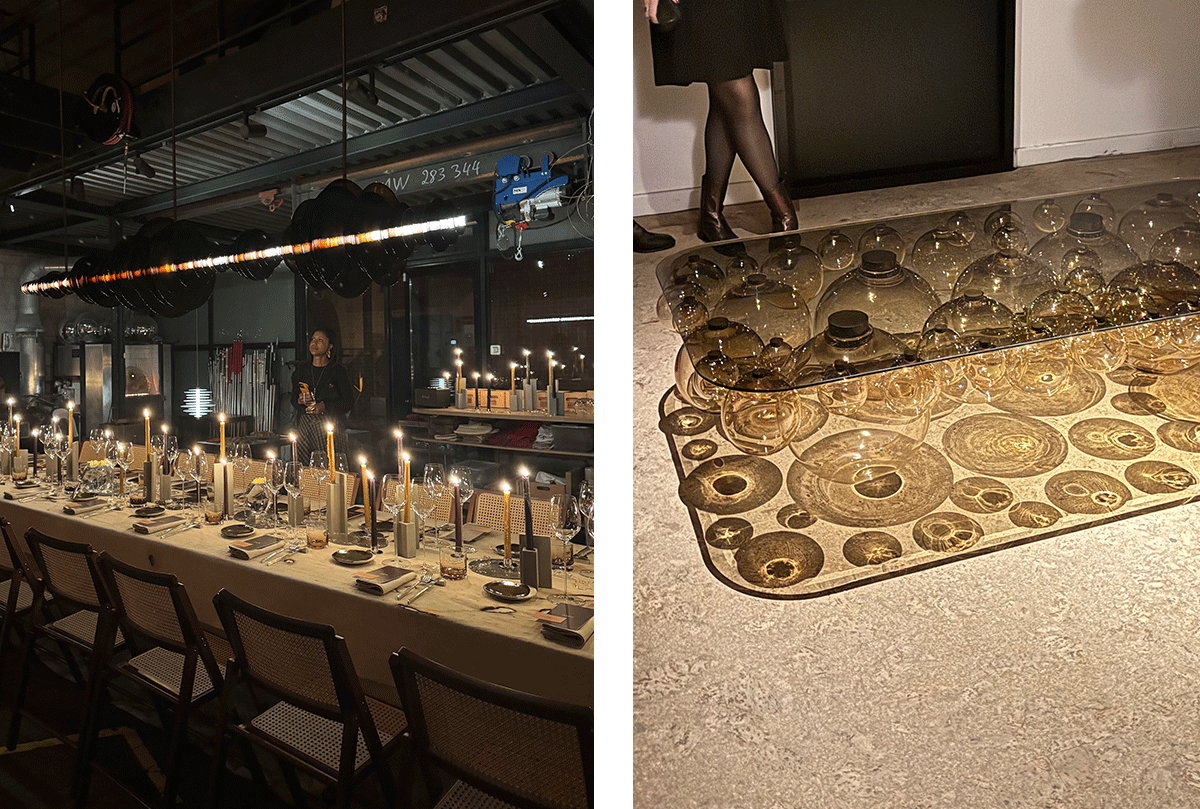
Jeremy Maxwell Wintrebret
Glass artist Jeremy Maxwell Wintrebret offers a poetic approach to light and form through his hand-blown works. Each piece carries the subtle variations of the making process, giving the work a sense of movement and individuality. During an intimate dinner at his Paris studio, our team had the opportunity to experience his process up close, gaining insight into the artistry behind each piece.