Three Ideas Reshaping Real Estate Right Now
At the Luxury Commercial Real Estate Summit in New York, much of our conversation returned to a deceptively simple question: What makes people choose to spend time somewhere?
Across residential, retail, hospitality and workplace, the answer is becoming increasingly important. Three ideas from the conversation stood out.
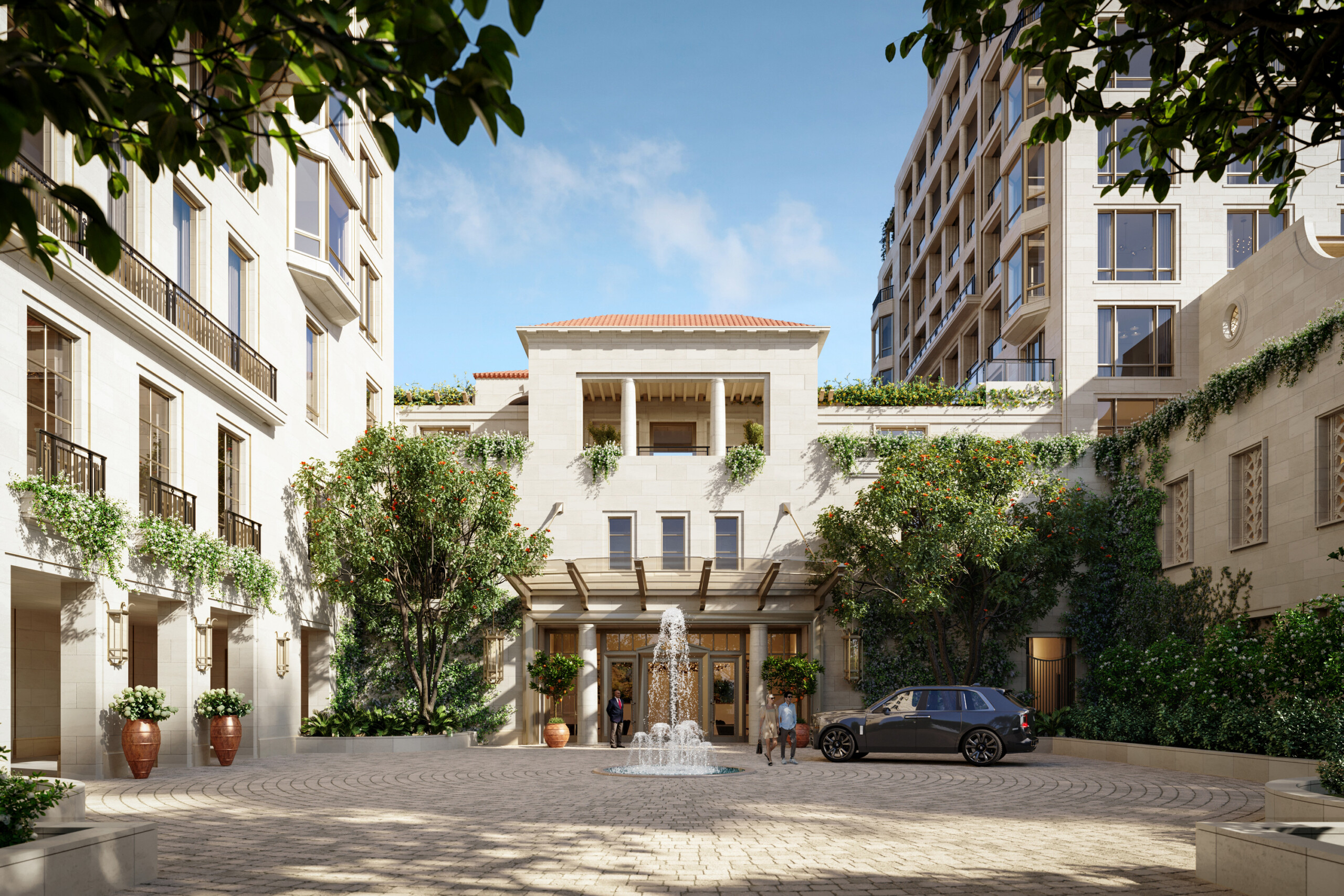
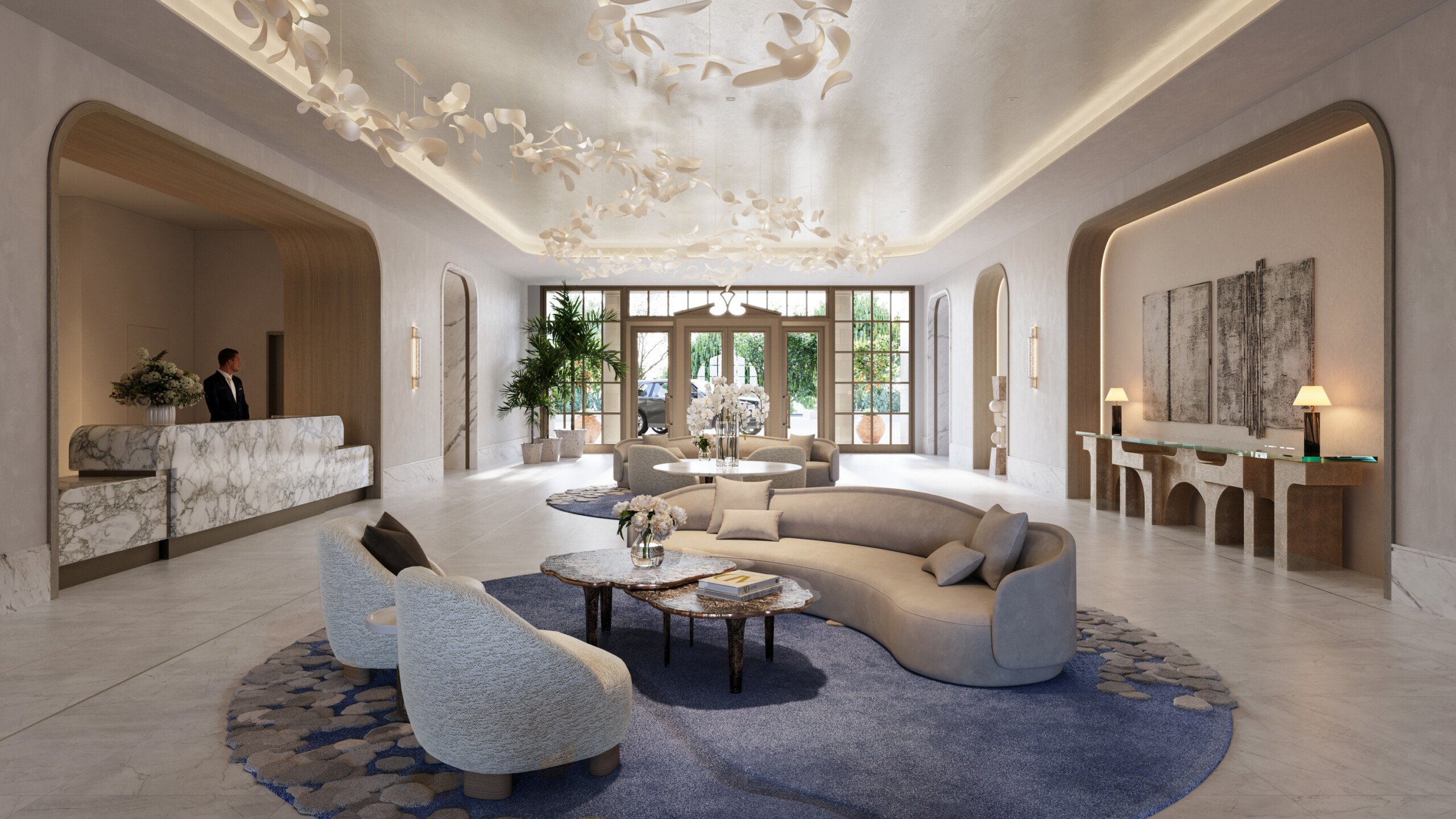
1. Home, work and the “third place” are converging.
We once thought about home, work and social life as relatively distinct environments. That separation is disappearing.
Offices are borrowing the comfort and hospitality of residential spaces. Residential developments increasingly incorporate private-club-level wellness and social experiences. Retail is being curated around food, beverage and programming. Clubs are becoming places to exercise, work, dine, entertain and spend an entire day.
For designers, the question is no longer simply what category a space belongs to. It is what someone needs from it at different moments throughout the day.
A lounge, for example, cannot be designed around a single use. The same seat may host a morning coffee, a laptop in the afternoon and a cocktail at night. Lighting, acoustics, power, furniture and service all have to anticipate that flexibility.
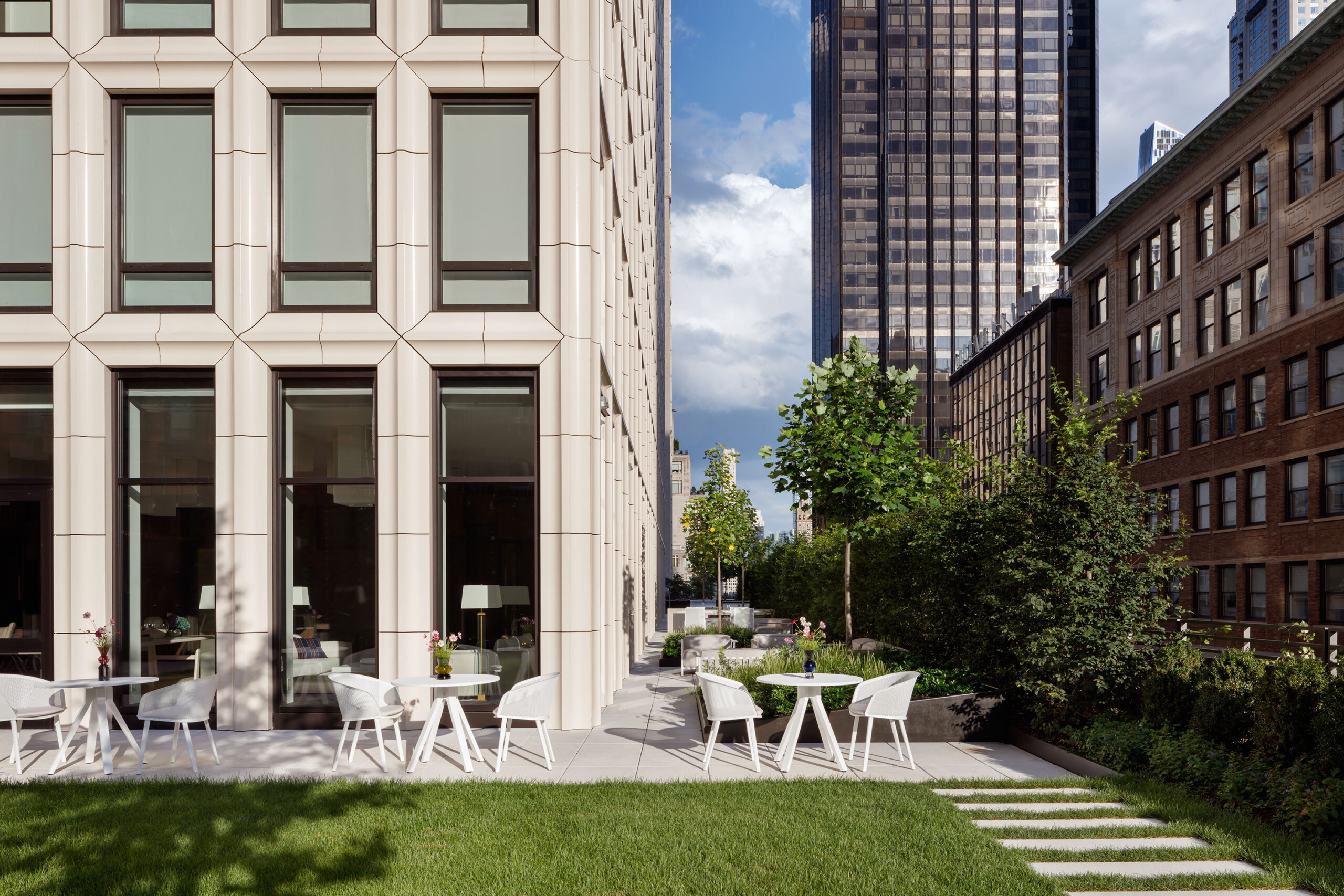
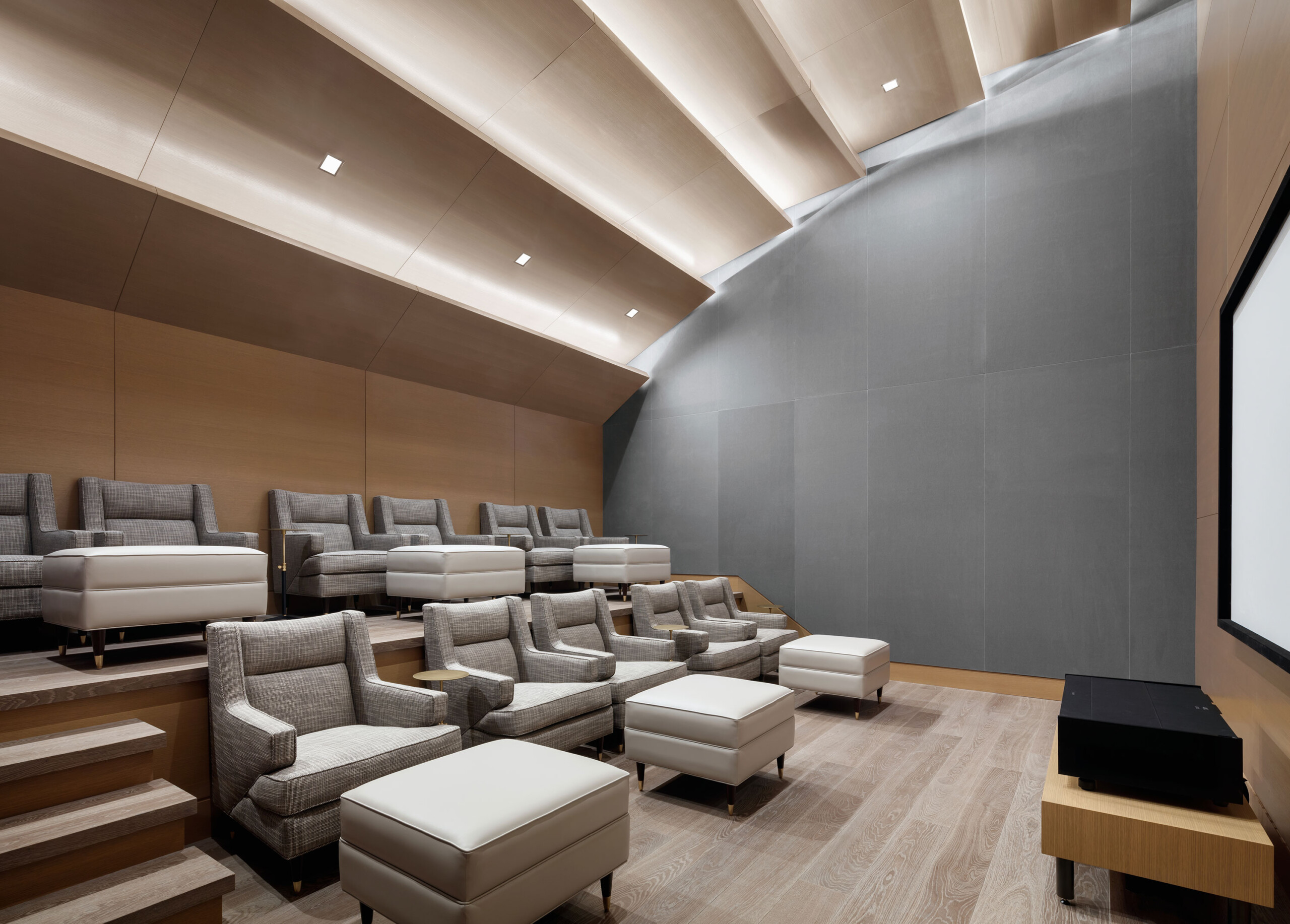
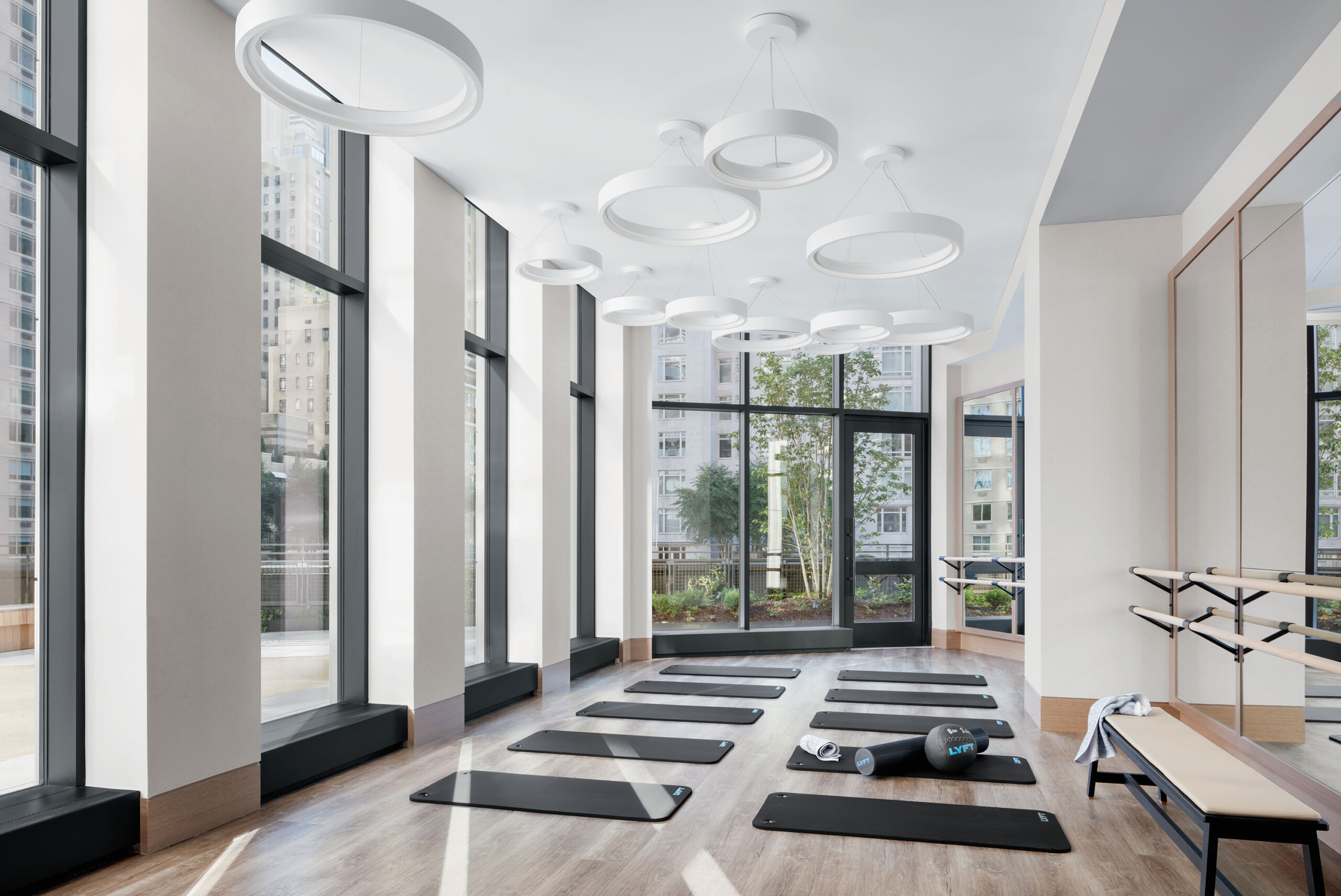
2. Time may be one of real estate’s most revealing metrics.
One of the most interesting ways to evaluate a space is also one of the simplest: Do people want to stay?
When residents invite friends to amenity spaces rather than immediately leaving the building, members build their routines around a club, or shoppers stay for dinner after visiting a store, the environment is doing more than serving its primary purpose.
It is becoming part of their lives.
That engagement can offer developers valuable insight into which spaces are working and where future investment should be made.
Design has an enormous role in creating that behavior. Comfort, intimacy, lighting, acoustics, programming and seemingly minor details can determine whether someone passes through a room or settles into it.
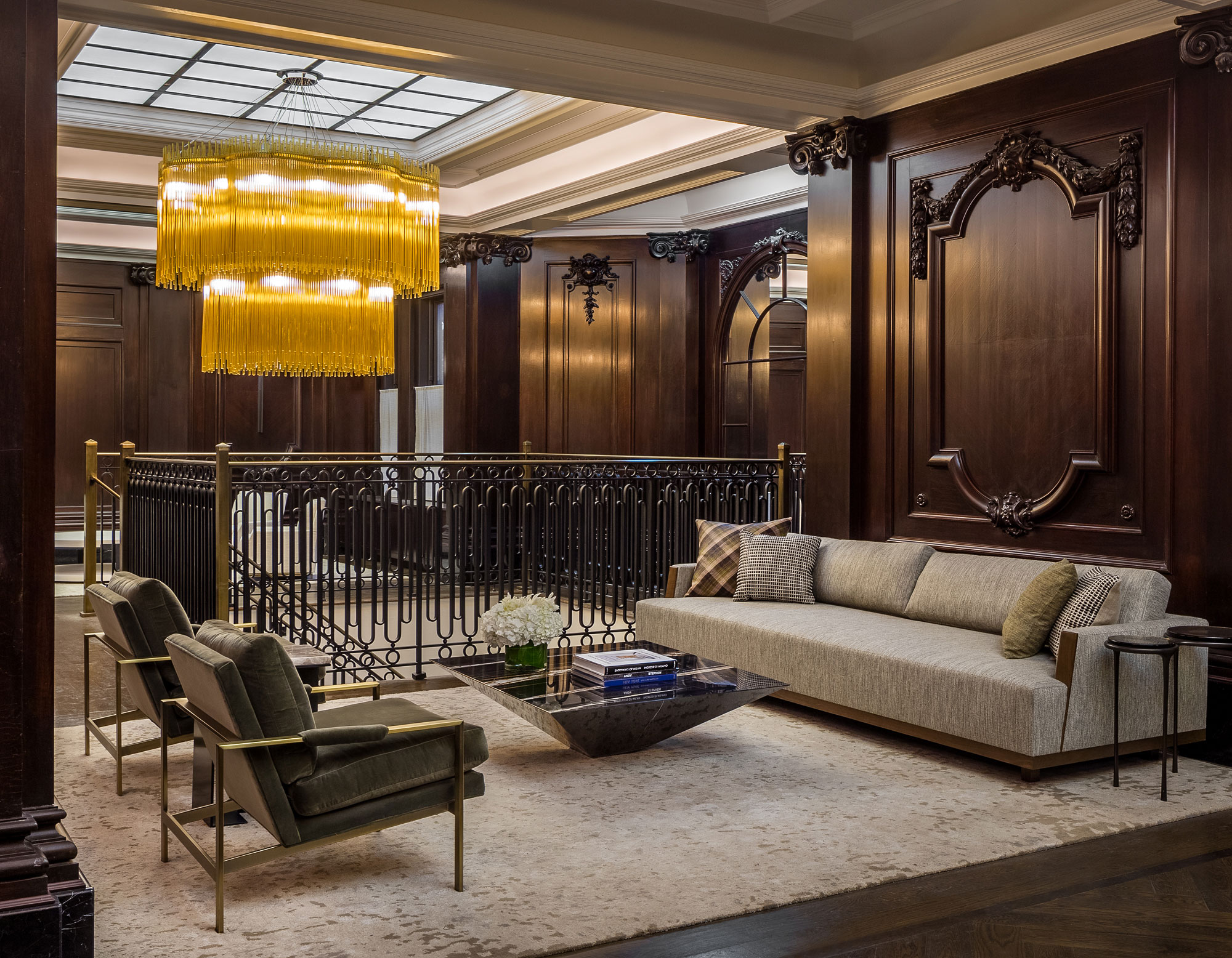

3. Curation is replacing accumulation.
For years, amenity programs expanded as developers looked for new ways to differentiate their properties.
But more is not necessarily better.
The next evolution is curation: understanding an audience well enough to determine which experiences genuinely deserve space and investment.
That may mean an exceptional wellness program rather than a collection of underused treatment rooms. It may mean one beautifully conceived gathering space capable of changing throughout the day. In retail, it could mean a carefully selected mix of food, beverage, programming and temporary activations that continually gives customers a reason to return.
The opportunity is not to add another amenity.
It is to make every decision more specific.
As these distinctions between residential, hospitality, retail, workplace and private membership continue to blur, the strongest developments will be those with a clear understanding of whom they are designing for and why that person should choose to spend their time there.
ABOUT THE AUTHOR
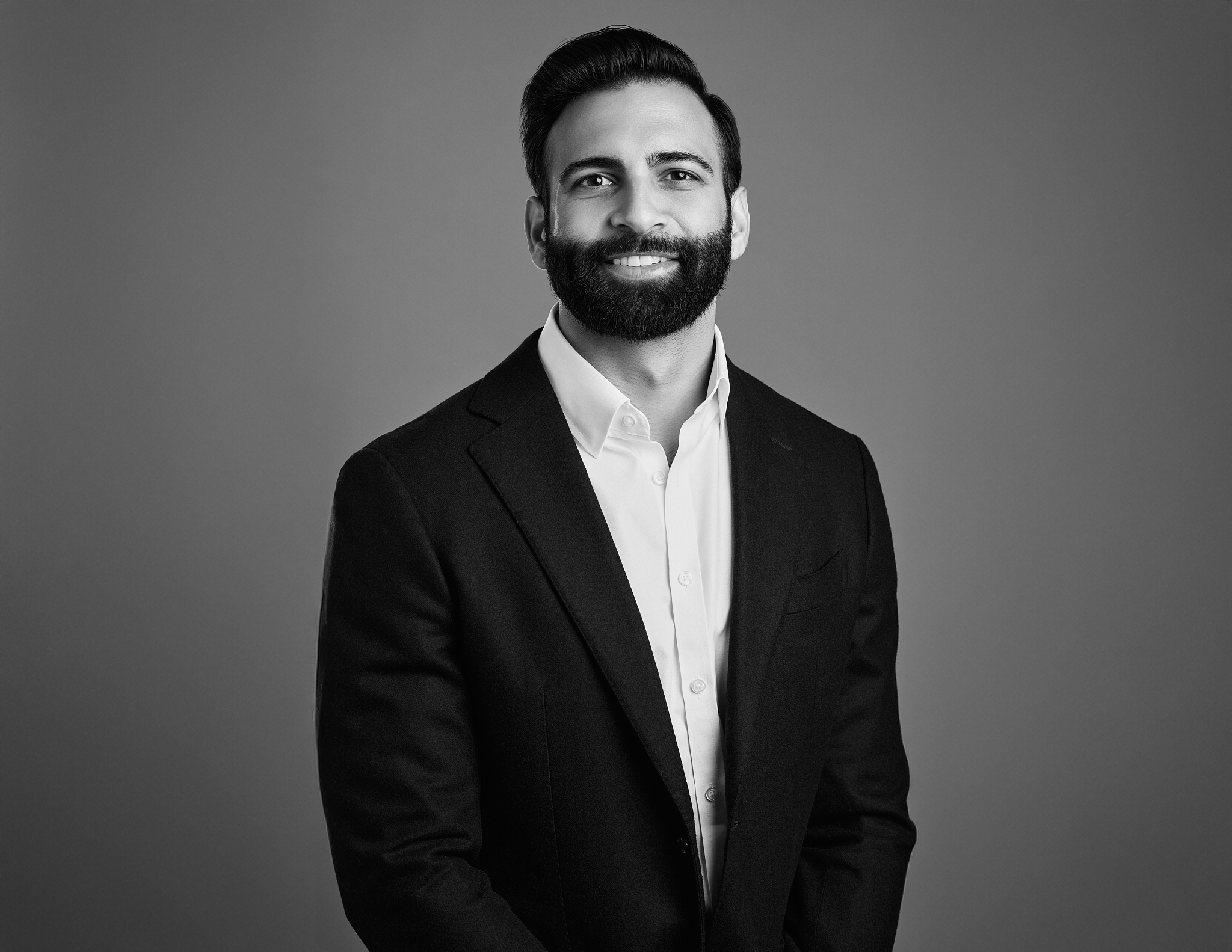
Dereck Hough, Pembrooke & Ives’ CEO, brings more than a decade of experience in entrepreneurship and real estate development along with a deep appreciation for how thoughtful design can shape the way people feel. Building on a career that began with founding a vertically integrated development firm throughout the Mid-Atlantic, he now guides Pembrooke & Ives from its founder-led roots into its next chapter as a multigenerational design practice defined by elegance, curation, and uncompromising integrity.