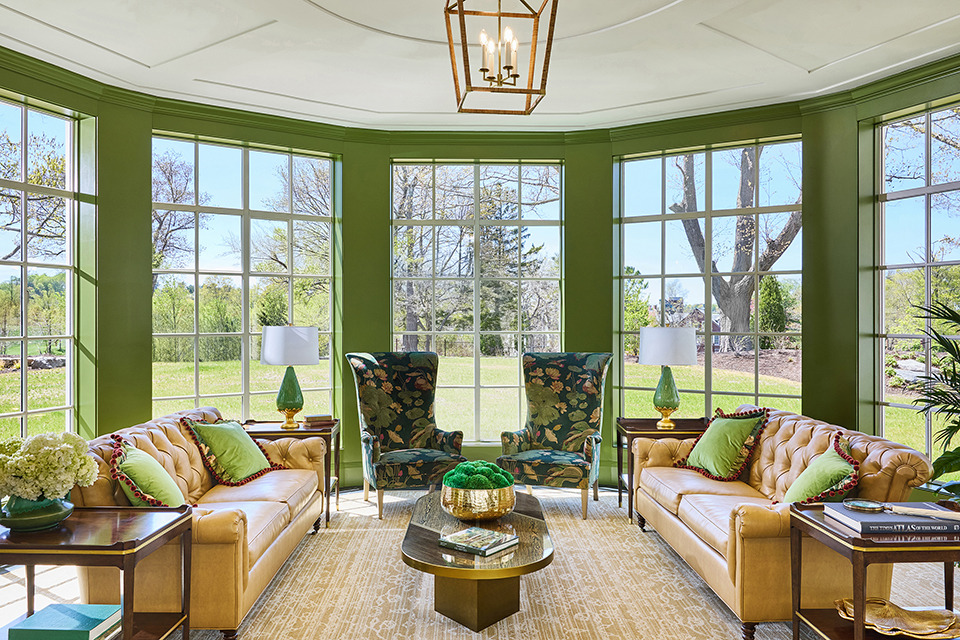
Project Focus: Newbury of Brookline
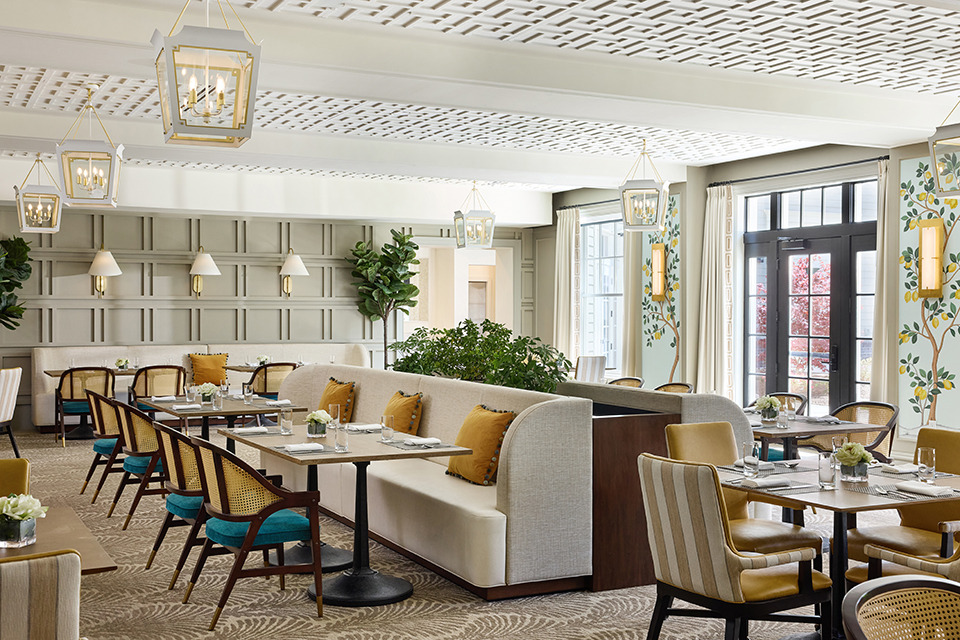
The Newbury of Brookline is a luxury senior living community set within the Fisher Hill neighborhood of Brookline, Massachusetts—one of the largest intact Olmsted-designed subdivisions in the country. Finegold Alexander Architects were the architects of record for the adaptive reuse of the former Newbury College campus, which transformed a historic 3.87-acre site into a residential community offering independent living, assisted living, and memory care. Recently, the project was featured in Environments for Aging Magazine as an example of best practices in adaptive reuse.

We sat down with Jennifer Mortensen, Senior Designer at Pembrooke & Ives, to discuss the project in depth. Jennifer holds advanced degrees in Historic Preservation and Architecture, and her background informs a practice rooted in traditional design and building techniques. This sensibility proved especially well-suited to this project, where an 1896 Georgian Revival mansion sat at the center of the design story.
What was the design scope for this project?
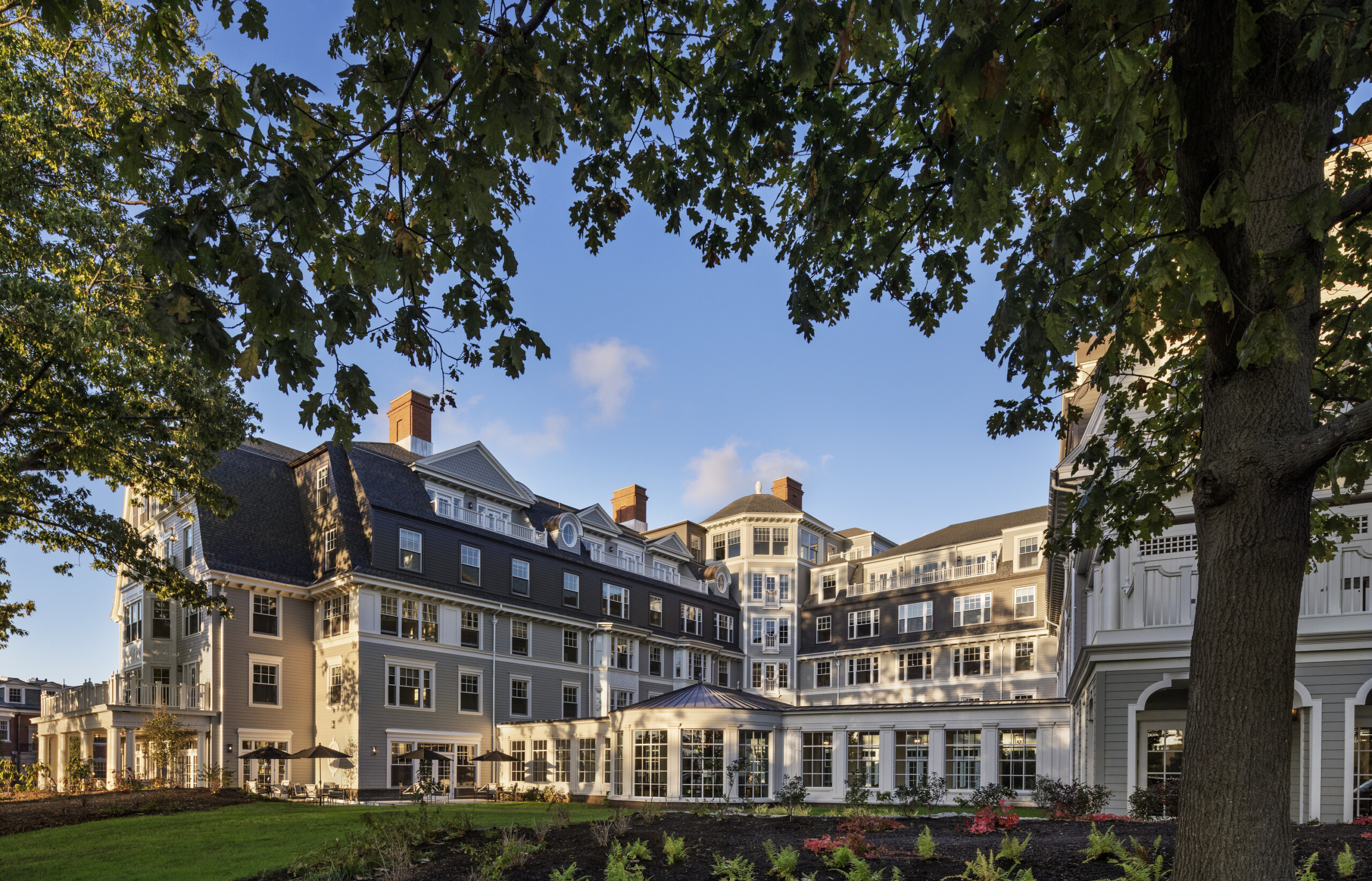
Pembrooke & Ives was engaged early in the project to help shape the overall program layout for the building, including the initial planning of apartment layouts to align with pro forma and operational goals. We led the interior architecture, developing the design language, spatial experience, and detailing throughout.
We worked closely with the operator’s internal interiors team to coordinate FF&E and finishes, ensuring a cohesive vision across all spaces. The process was highly collaborative, balancing design intent with operational and financial requirements.
How did the project’s location in the Fisher Hill neighborhood of Brookline and its history as a college influence the design direction?
The site’s history as a former college was less influential to the interiors than the surrounding residential context of Fisher Hill, Brookline, and Boston. The neighborhood’s rich architectural character, along with the preservation and restoration of Mitton House—the historic building on site—shaped the design direction in a more meaningful way.
Brookline’s eclectic mix of architectural styles, including Colonial Revival and other traditional influences, inspired many of the interior design decisions. Mitton House, in particular, served as a point of reference for the use of trim, paneling, and proportion, helping ground the project in a residential and historically informed design language.
The Newbury serves residents across independent living, assisted living, and memory care. How do you approach the differing needs of these three populations while still creating a cohesive community?
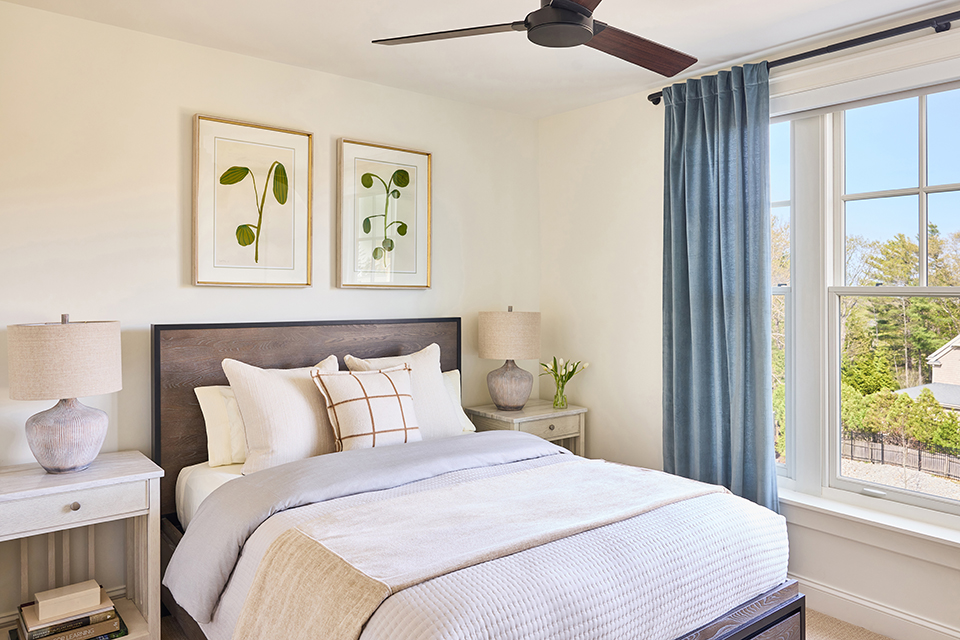
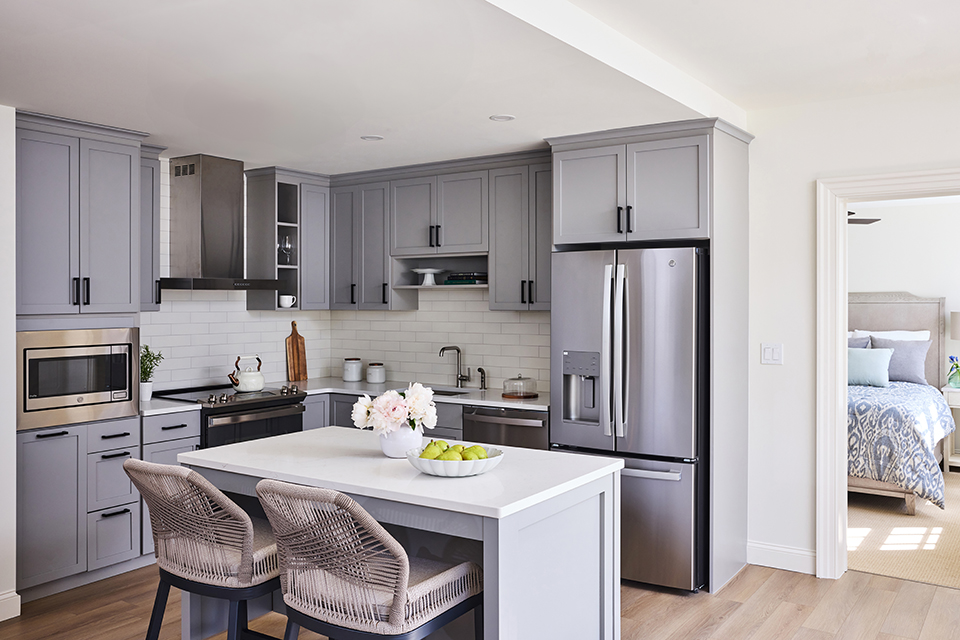
It was important to provide a strong sense of dignity across all levels of care, ensuring that regardless of where a resident is in their journey, the environment feels consistent and supportive. We maintained a similar level of quality in trim, detailing, and material selection across all unit types to create a cohesive experience.
While independent living units function more like full apartments, assisted living and memory care incorporate additional requirements to support care and safety. In memory care, for example, we worked closely with the operator and care teams to understand specific needs, including considerations around layout, safety, and staff support.
We were also mindful of design elements specific to aging environments, such as avoiding heavily patterned flooring that can affect depth perception, and selecting materials that are durable, safe, and easy for staff to maintain. Collaboration with the architect and operator was essential in ensuring these environments were both functional and thoughtfully designed.
What is the feeling you wanted residents and prospective residents to come away with upon entering the Newbury?
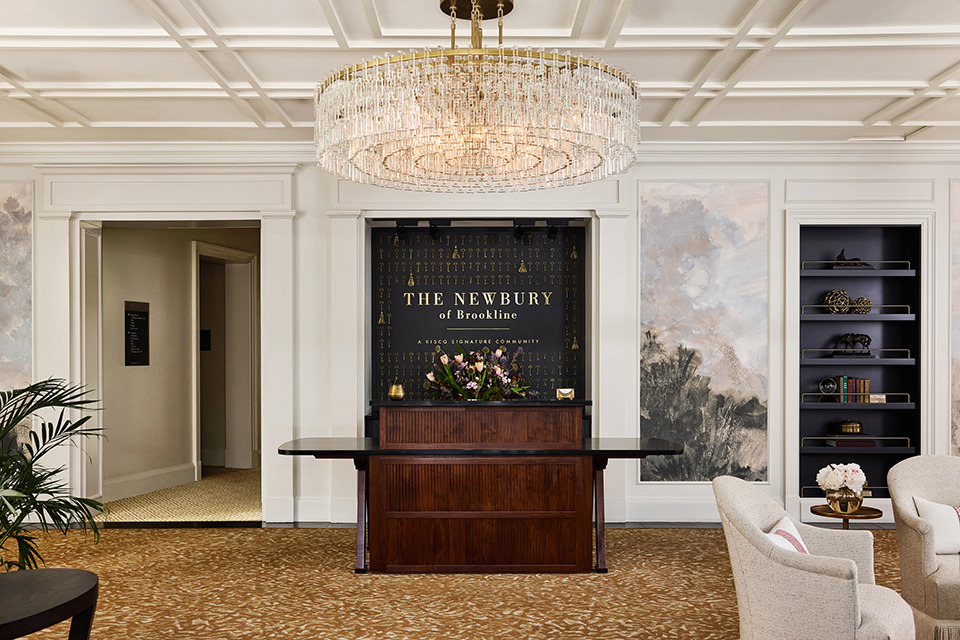
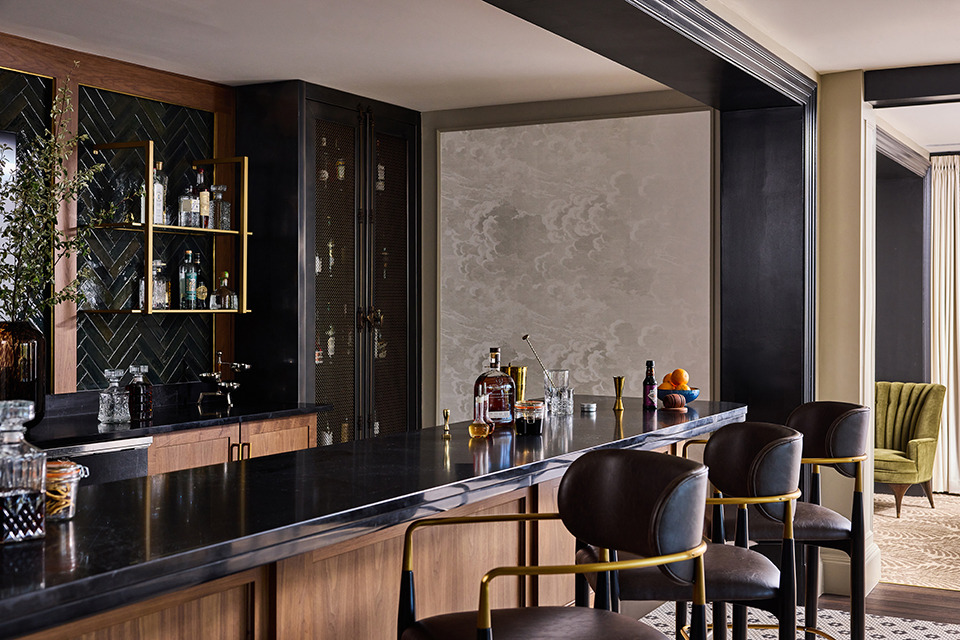
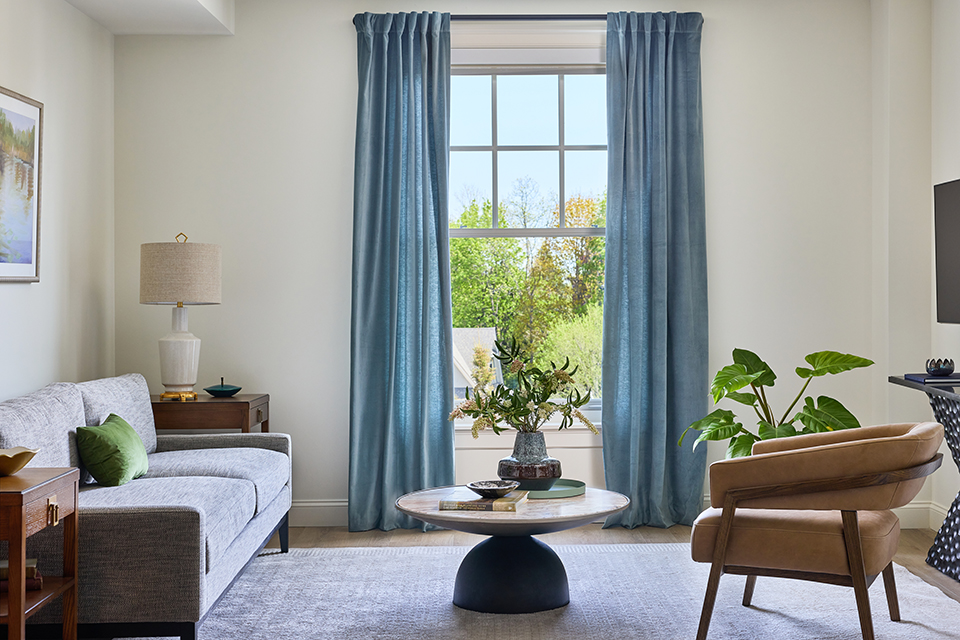
The goal was to create an environment that does not feel like traditional senior housing, but instead feels much closer to a luxury residential building or boutique hotel. Spaces were designed to feel warm, intentional, and elevated rather than institutional.
We wanted residents to feel that they are transitioning from their private homes into another beautiful residential community—one that feels familiar, comfortable, and thoughtfully designed, while still supporting them at various stages of life.
What design codes or considerations are unique to designing in the senior living sector?
Senior living introduces a layer of operational and care-driven requirements that go beyond typical residential design. In memory care, in particular, there are important considerations regarding safety and controlled access, including secure storage for medications. In some cases, medications cannot be centrally stored, so locked storage and refrigeration must be integrated within individual units, requiring careful coordination with the care team. All units must meet ADA and life-safety requirements, particularly in bathrooms and circulation. The goal is always to integrate these requirements seamlessly so the environment retains a residential feel.
Can you tell us about the amenity program?
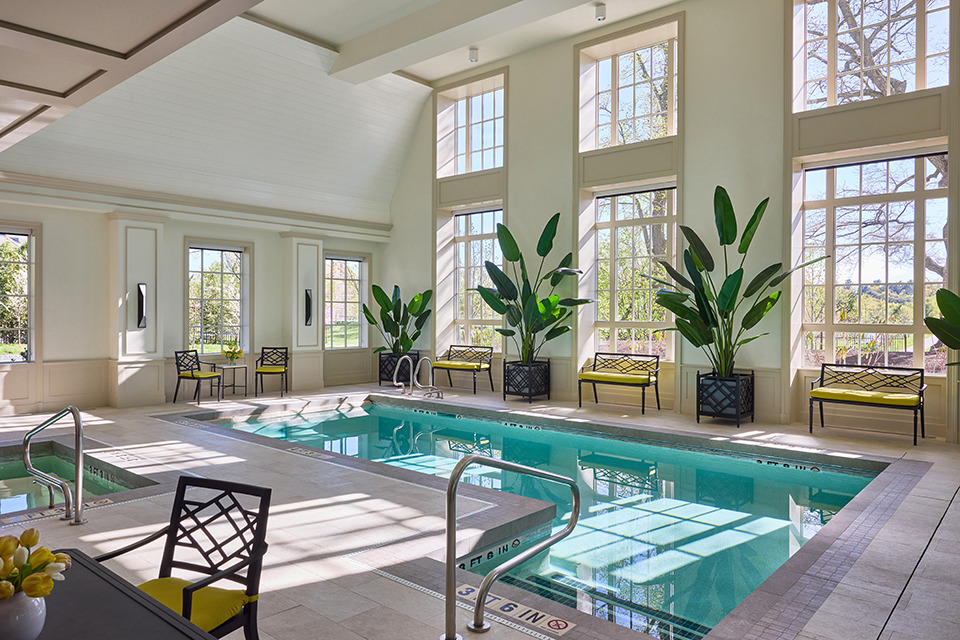
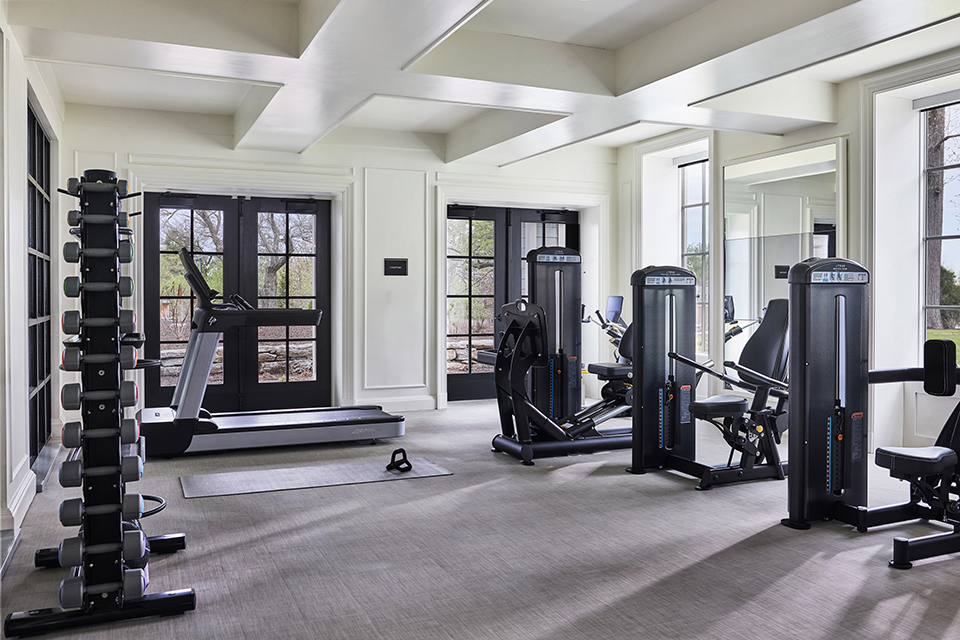
Physical and social wellness played a significant role in shaping the amenity program. The project includes amenities such as a pool and sauna, contributing to an experience that feels more aligned with hospitality or luxury residential environments.
The site itself is uniquely positioned near a historic reservoir and public park, allowing residents, particularly those in independent living to access nature, walking paths, and the broader community.
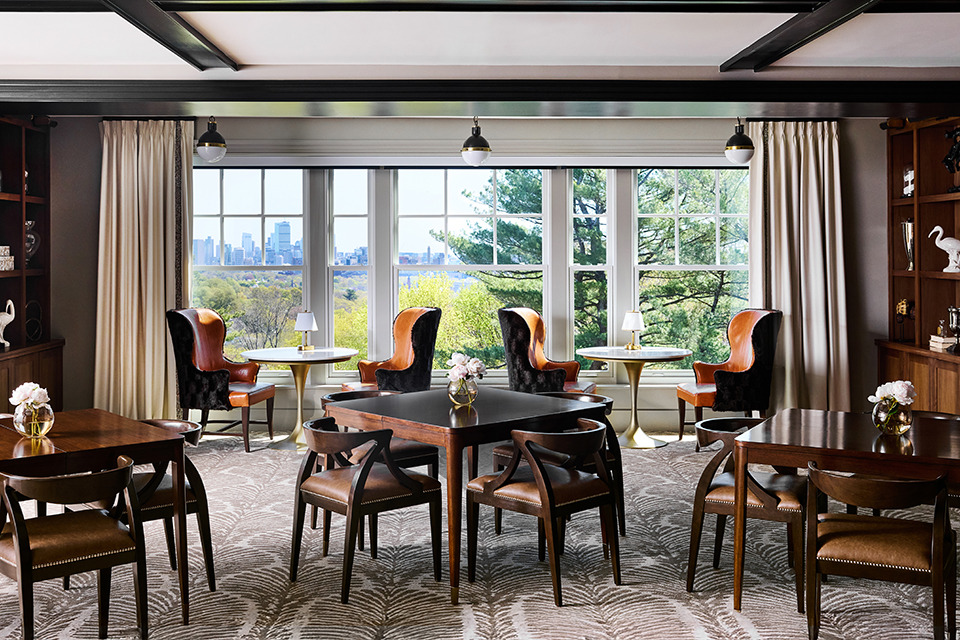
Equally important was social wellness. The design includes a range of gathering spaces that support interaction among residents as well as visits from family members. The goal was to create an environment that fosters connection, engagement, and a sense of normalcy in daily life.

How do you give each room a strong individual identity while maintaining cohesion in the overall design?
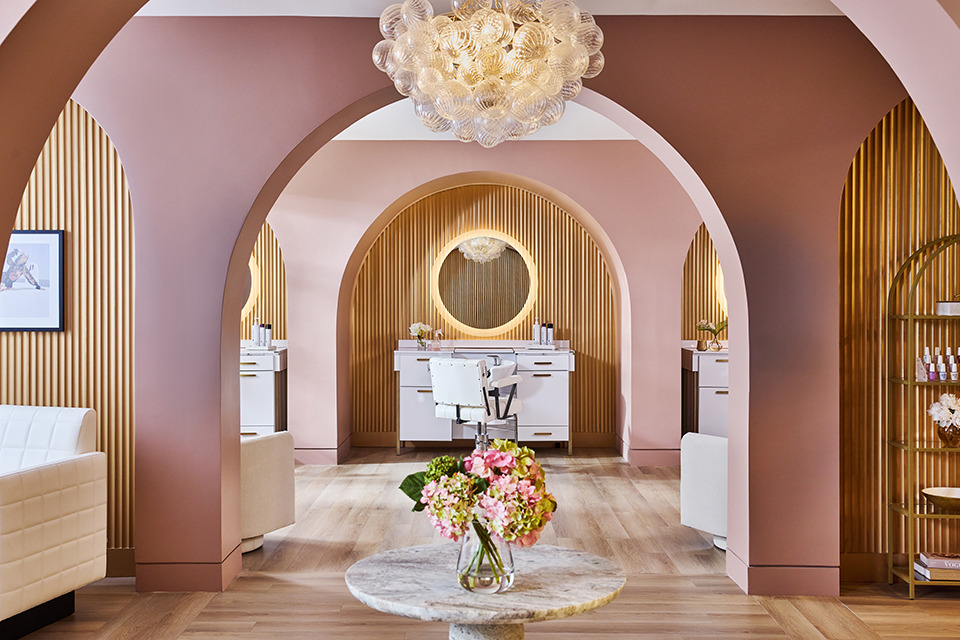
Some room themes were guided by the operator, while others were developed by Pembrooke & Ives. We drew inspiration from Boston’s architectural and cultural heritage, including references to yacht clubs, traditional pubs, and garden rooms found in Brookline and the surrounding area.
Each space was designed to have its own identity tied to its function, creating variety and interest for residents. Cohesion was achieved through a consistent approach to architectural detailing, scale of trim, and a unified material palette, including recurring use of stone, wood tones, and color. This allowed each room to feel distinct while still clearly belonging to a larger, cohesive design vision.
What was the biggest challenge you encountered during this project?
The project spanned the COVID period, which introduced significant challenges related to material availability, pricing, and overall cost escalation. This required extensive value engineering to maintain design integrity while managing budget constraints.
Additionally, after initial layouts had been developed, the building footprint was reduced by approximately one foot in all directions and the structural system was modified as part of value engineering. These changes required substantial redesign of both unit and amenity layouts. While challenging, these adjustments were critical to keeping the project viable during a very unpredictable time.
There is a stigma around moving into a senior living community. What role can design play in changing that perception, for residents themselves, and for the culture more broadly?
Design plays a key role in shifting perception by moving away from environments that feel medical or institutional. Instead, these spaces should support residents in living full, engaging lives.
By creating environments that feel like luxury residential buildings or boutique hotels, residents and their families experience a sense of familiarity, comfort, and pride. At the same time, the necessary care infrastructure is seamlessly integrated, allowing residents to feel supported without that being the defining characteristic of the space.
How do you see the luxury senior living landscape evolving over the next several years?
The industry is evolving toward greater design sophistication, with an emphasis on experience, individuality, and quality. There is a growing focus on attracting younger, more design-aware residents who expect environments comparable to high-end residential or hospitality settings.
There is also increased attention on spaces that support family interaction and social engagement. Wellness is expanding beyond physical health to include emotional well-being and happiness, supported through thoughtful design. The spaces where residents meet guests and loved ones, we wanted to feel very residential as opposed to typical senior living.
Creating spaces where guests and loved ones can meet with residents that feel like typical hospitality spaces, rather than the stereotypical senior living, helped us address our goals. Additionally, there is a shift away from standardized, “cookie-cutter” environments toward more location-specific, character-driven design. This creates opportunities for more creative and meaningful solutions that better reflect the communities they serve.