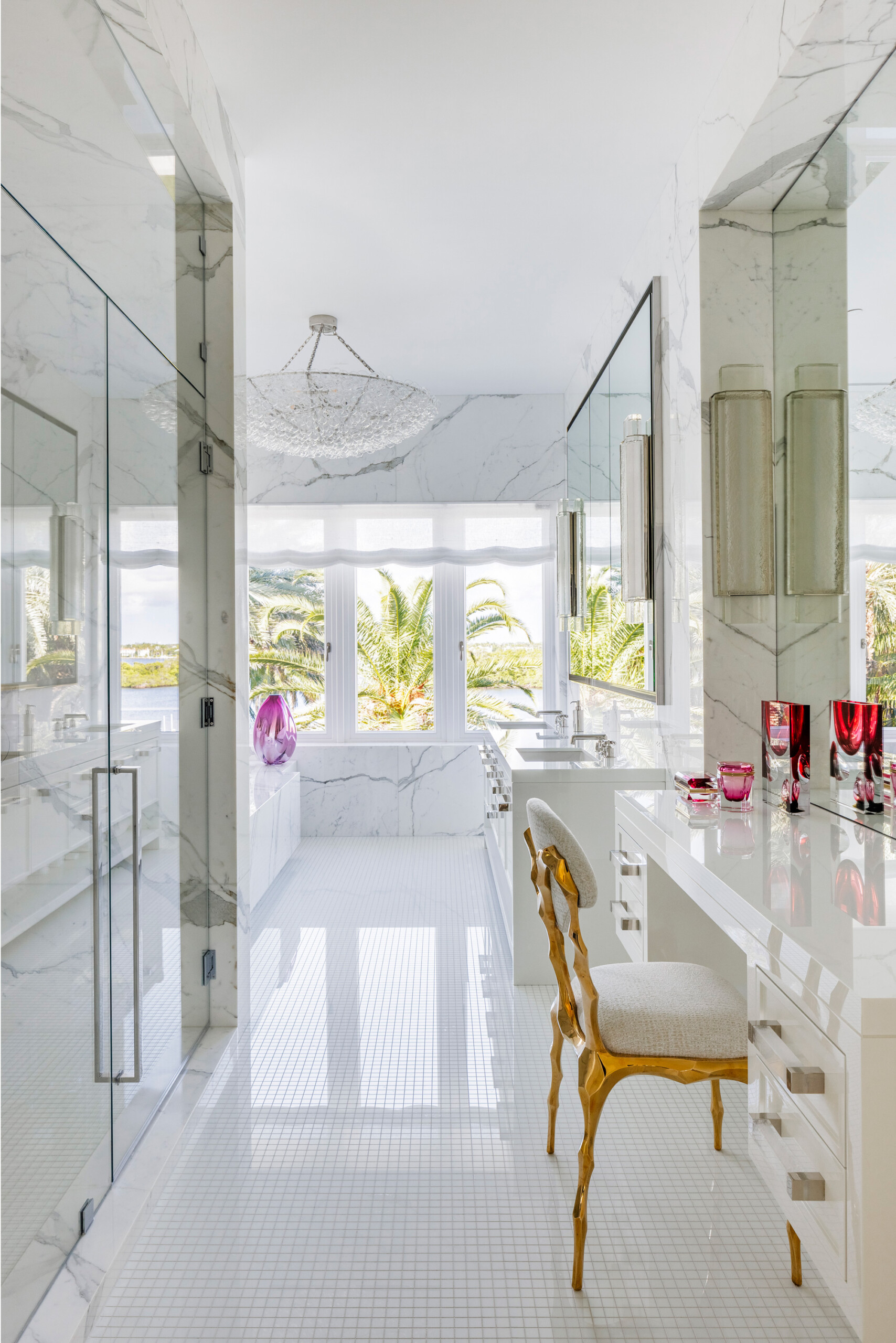
Material Focus: Ceramic & Porcelain Tile
Tile is one of the oldest forms of decorative arts, with many cultures around the world developing a unique history and distinct artistic style. This versatile material provided a protective surface and ornament to floors, walls, and rooftops. Today, the historic tradition of using tile for both practical and decorative purposes remains strong. With advanced technological processes, one can make clay tiles more durable and tightly control their appearance, resulting in a consistent, replicable product. Here, we’ll explore the two main types of clay tiles: ceramic and porcelain.
Durability
Ceramic tiles are the most widely produced type of tile and one of the oldest man-made materials. The durability of ceramic tile depends in part on the finishing method. Glazed ceramics have a protective surface and endless color options, while unglazed varieties deliver a more matte, earthy appearance. Unglazed tiles, such as terracotta, typically benefit from sealing, whereas glazed ceramics require minimal maintenance.
Porcelain is fired at a higher temperature than ceramic, resulting in a denser, less porous body that can better withstand changes in environmental temperature. The material resists scratches, stains, and water, making it an ideal choice for kitchens, bathrooms, and even outdoor spaces. Porcelain tile is a great choice for flooring as it is able to withstand more force, whereas ceramic tile may crack upon impact.
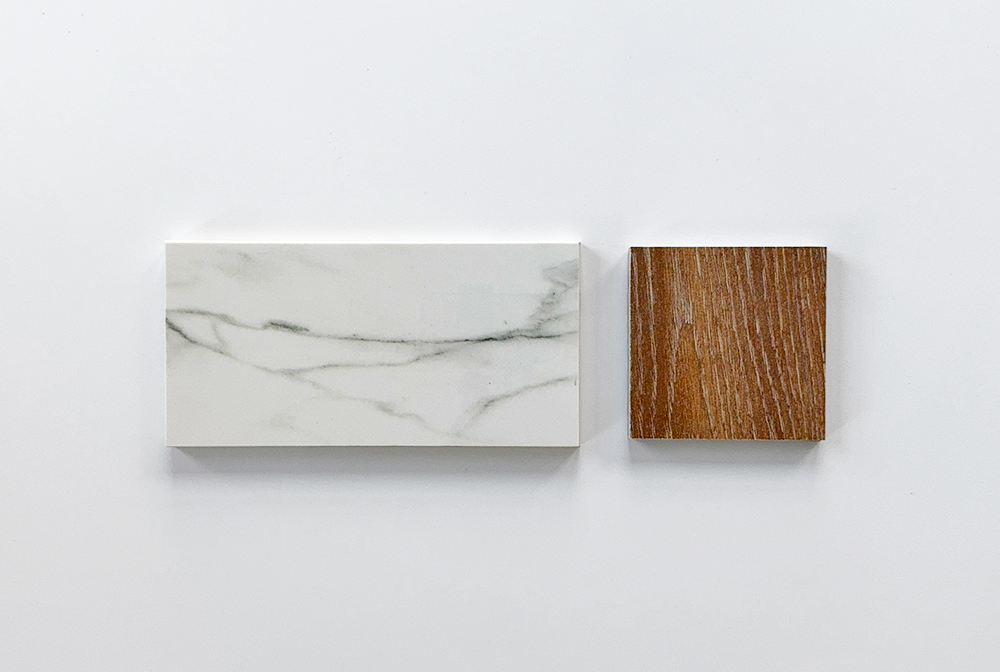
Porcelain is often used to mimic natural materials such as marble or wood, while offering lower maintenance, greater durability, and typically a lower cost. Large format porcelain slabs create an elegant, seamless look with minimal grout lines.
Finishes
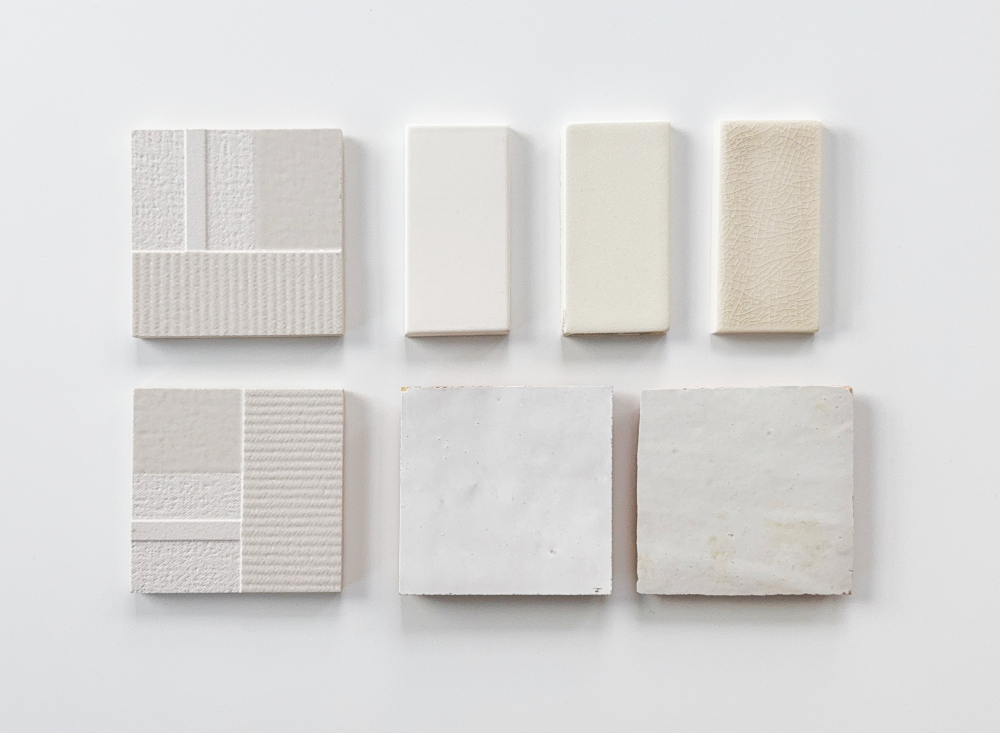
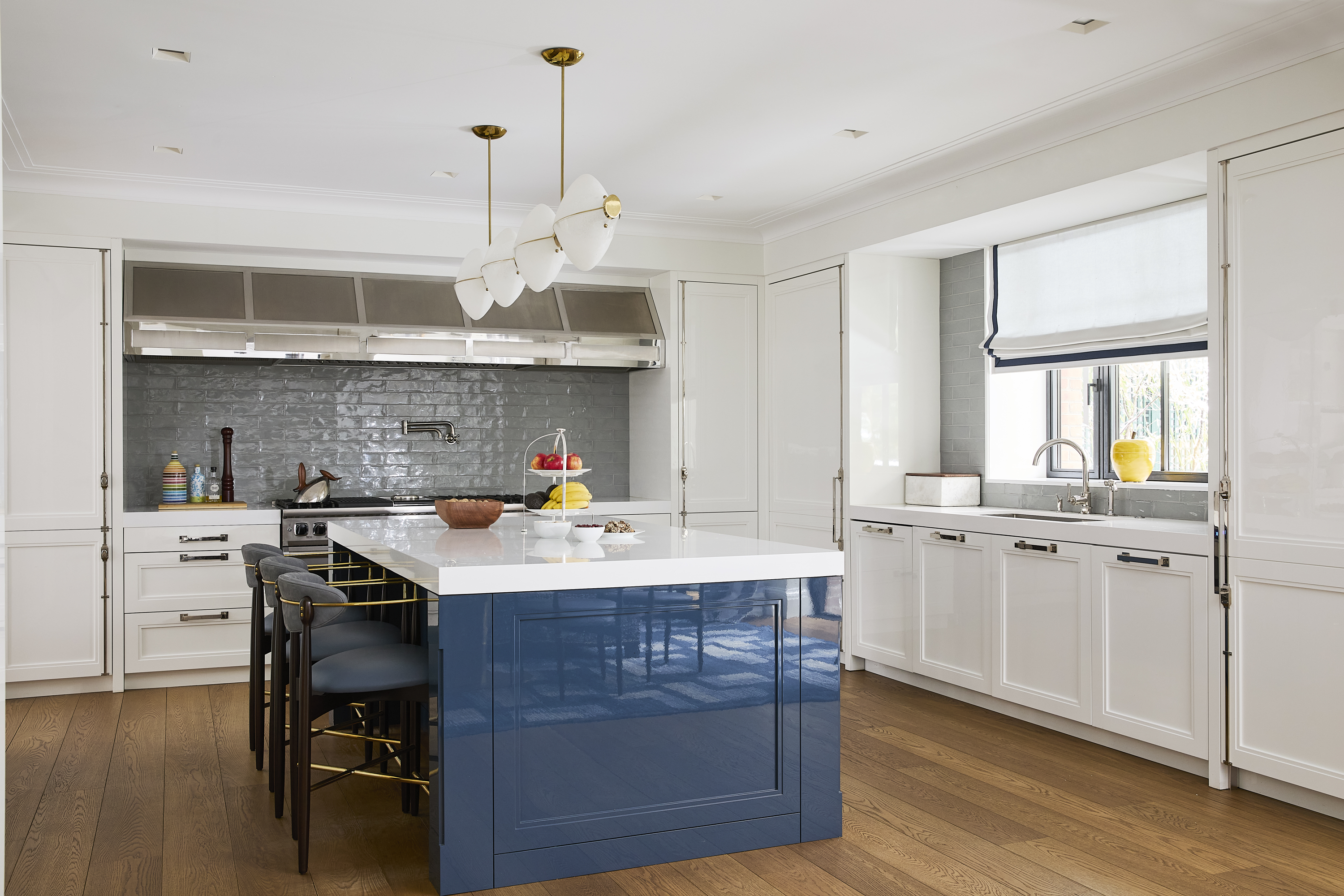
There are three primary glaze finishes for ceramic tile: flat or matte, glossy, and crazed. The choice of finish can dramatically influence both the look and feel of a space. A matte glaze has a soft, powdery quality that makes colors appear vivid and even, diffusing reflections for a smooth, uniform surface. Glossy glaze, on the other hand, is highly reflective, bringing luminosity and movement as light bounces across the surface. High-gloss glaze is formed from silica, the base material of glass. When fired, this glaze creates a glass-like surface, becoming easy to clean.
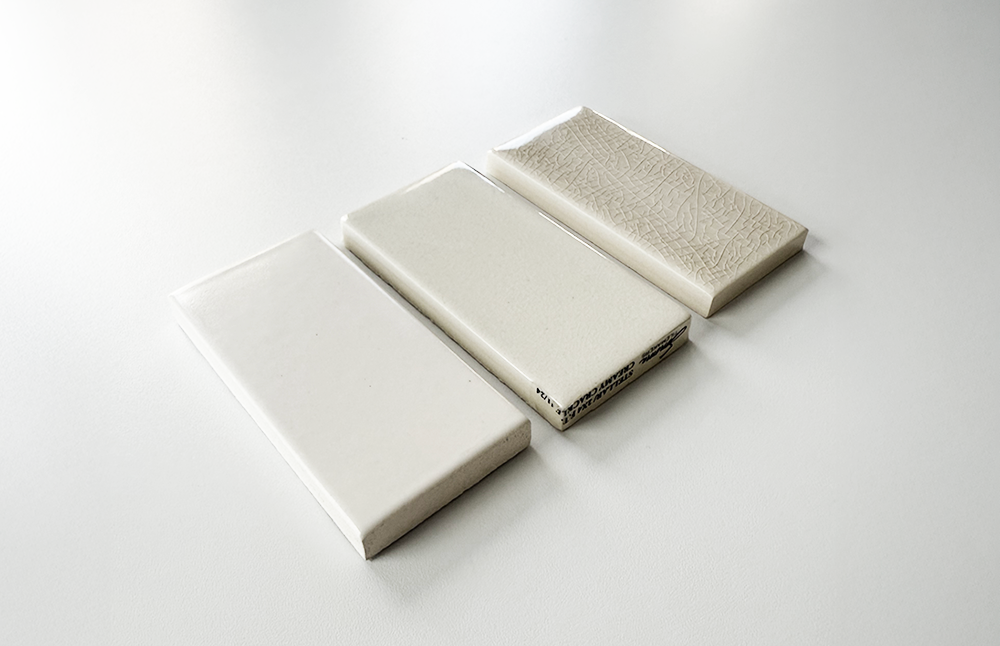
Crazed finishes introduce a fine network of cracks within the glaze, giving tiles a shattered, antique quality. While this texture adds character, it should be sealed to prevent dirt from settling into the fissures, which could cause discoloration over time. Alternatively, tile manufacturers sometimes capitalize on this quality and purposely add colorants to highlight the unique texture.
3D Tiles
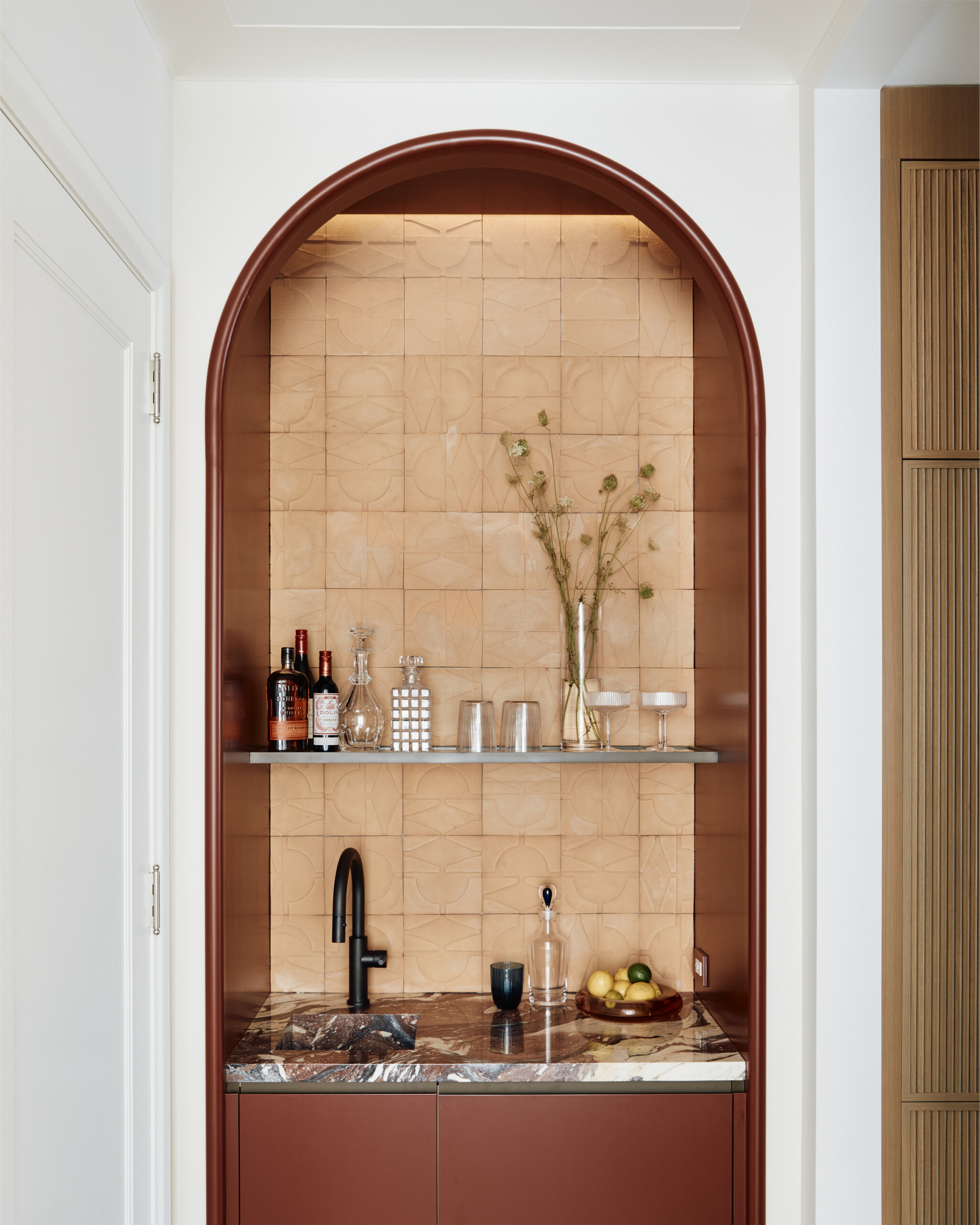
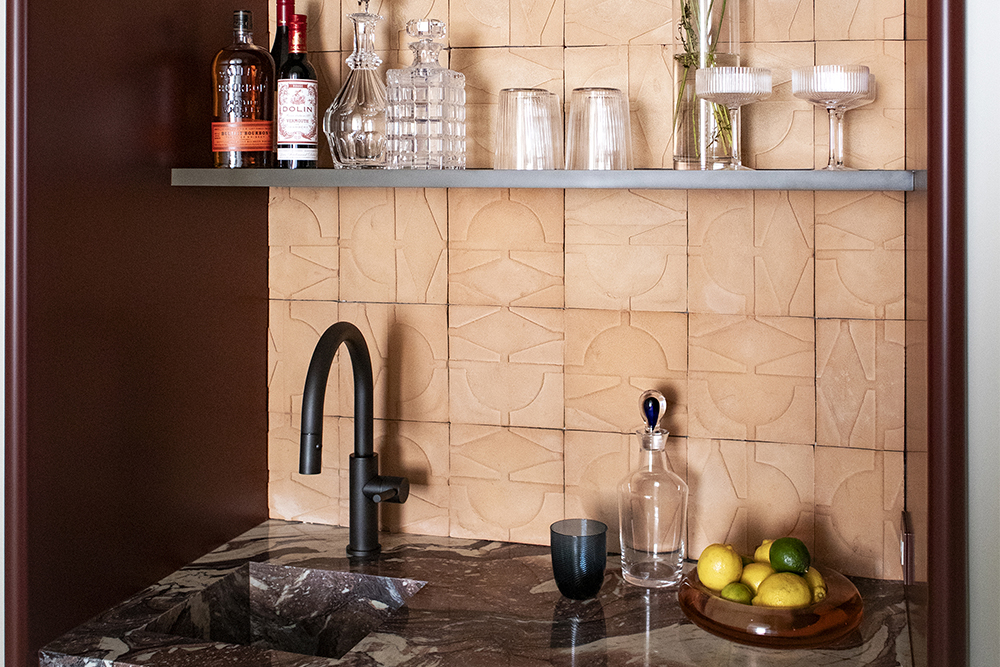
Clay tile can also be finished with texture or relief, adding dimension and movement to the surface. Texture can be impressed directly into the clay or built into the tile’s form, offering designs that range from subtle ridges to bold, three-dimensional patterns.
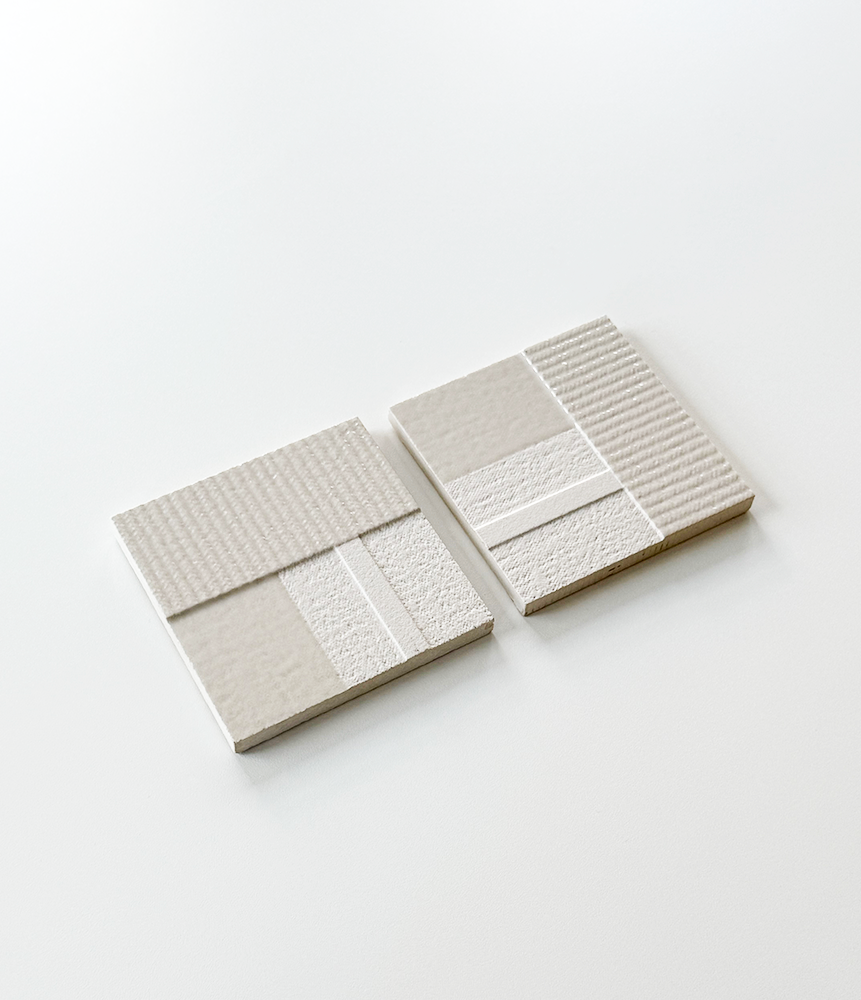
Some tiles even replicate the tactile qualities of woven textiles, with impressions pressed into the clay before firing that create an almost leathered hand feel. Whether used on walls, fireplaces, or backsplashes, textured tiles bring a sense of artistry and tactility, turning functional surfaces into focal points.
Applications
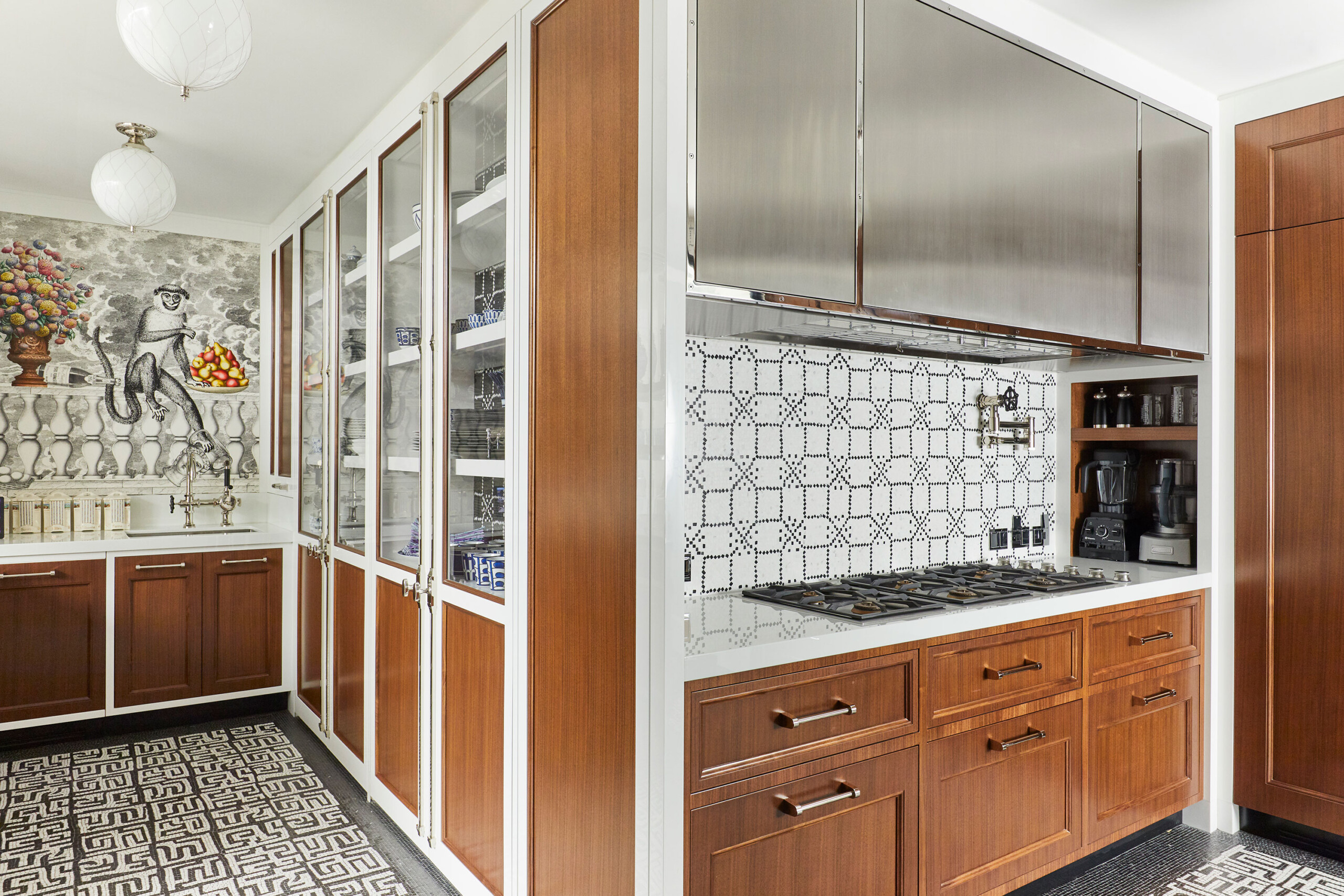
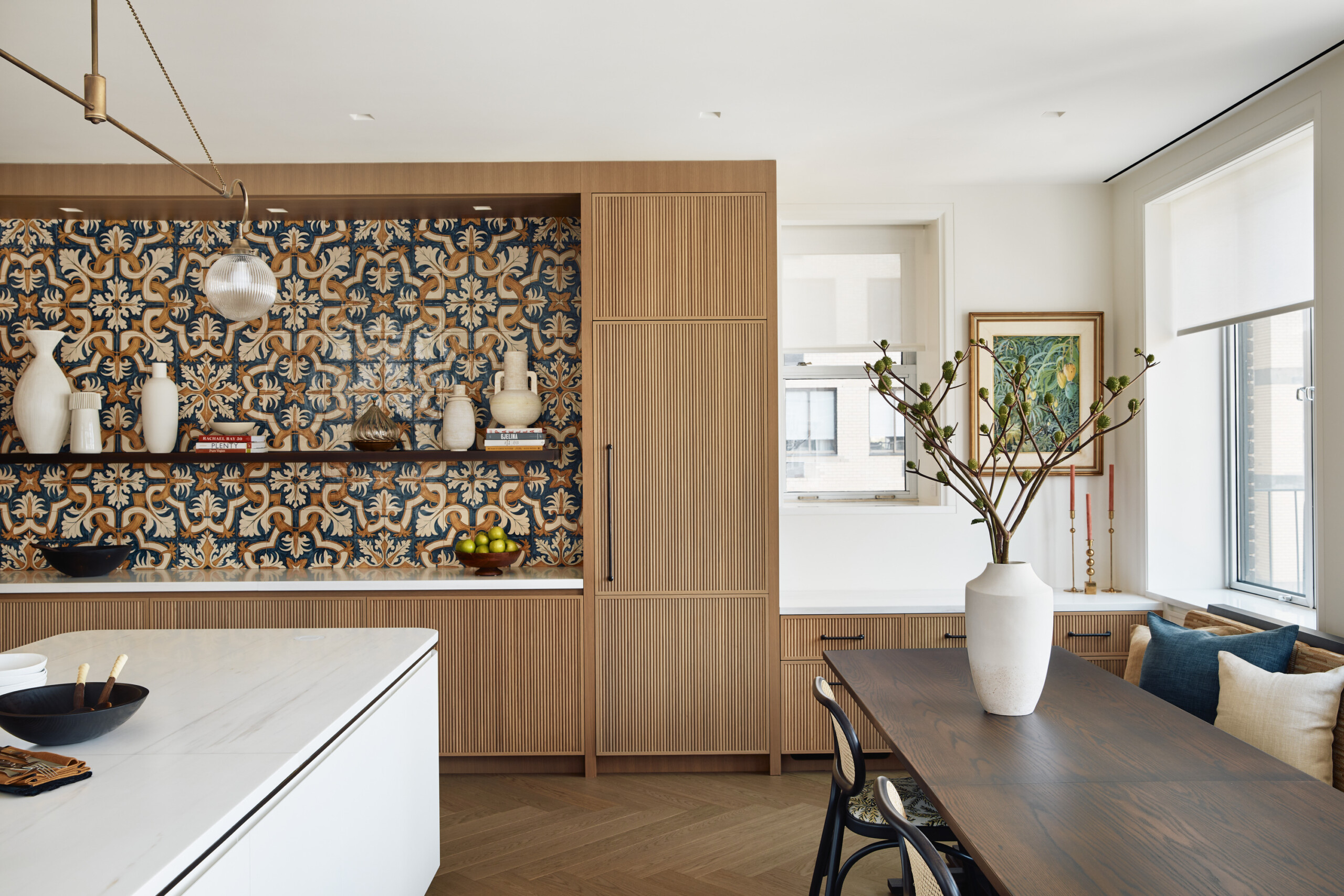
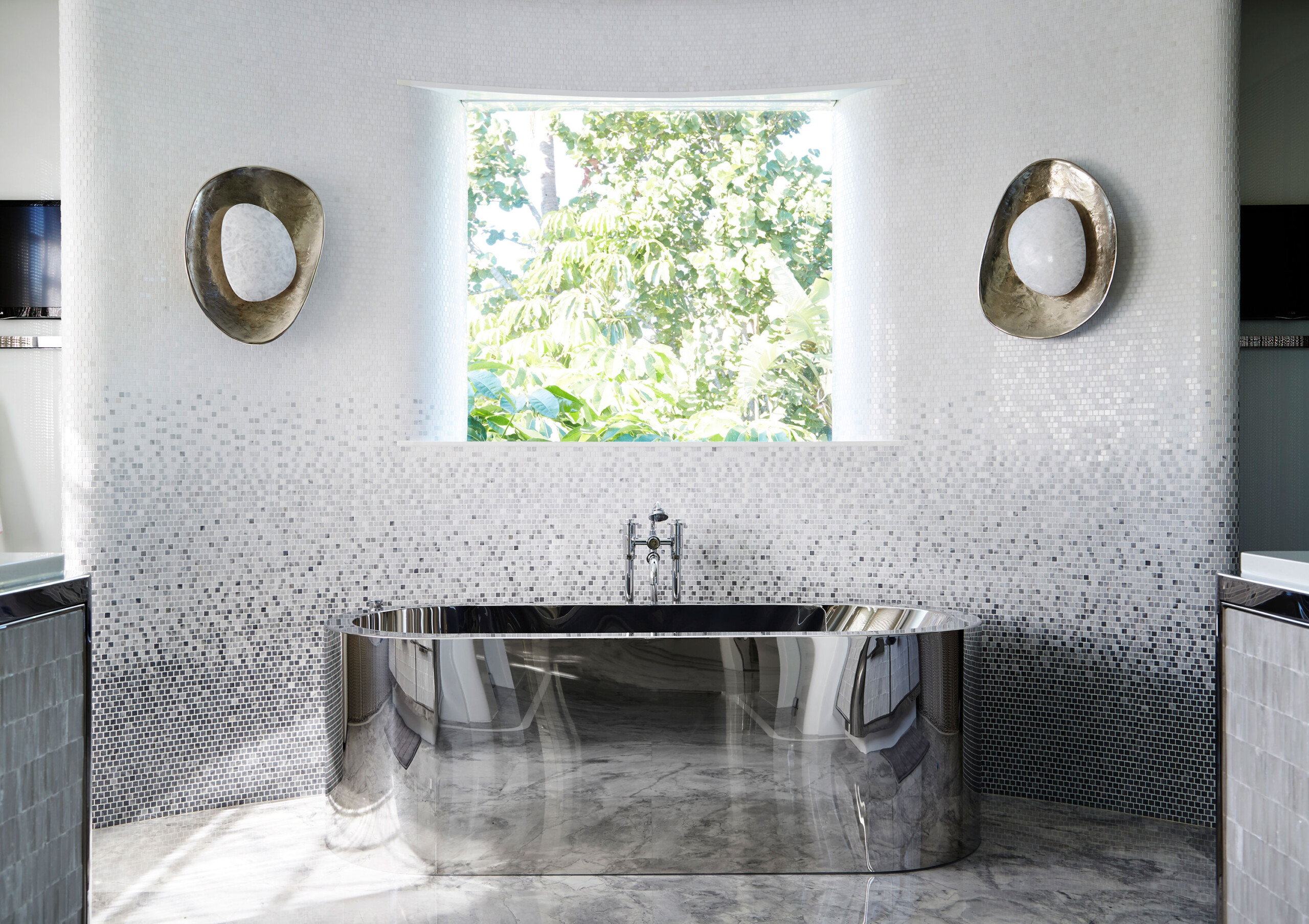
Mosaic tiles are made of small pieces of ceramic or porcelain that can be arranged to form simple or complex designs. Mosaics are especially impactful in showers, backsplashes, or decorative walls and floors, where scale and detail can be appreciated. Mosaics require more upkeep as a result of all the grout lines and are one of the most expressive uses of tile in design.

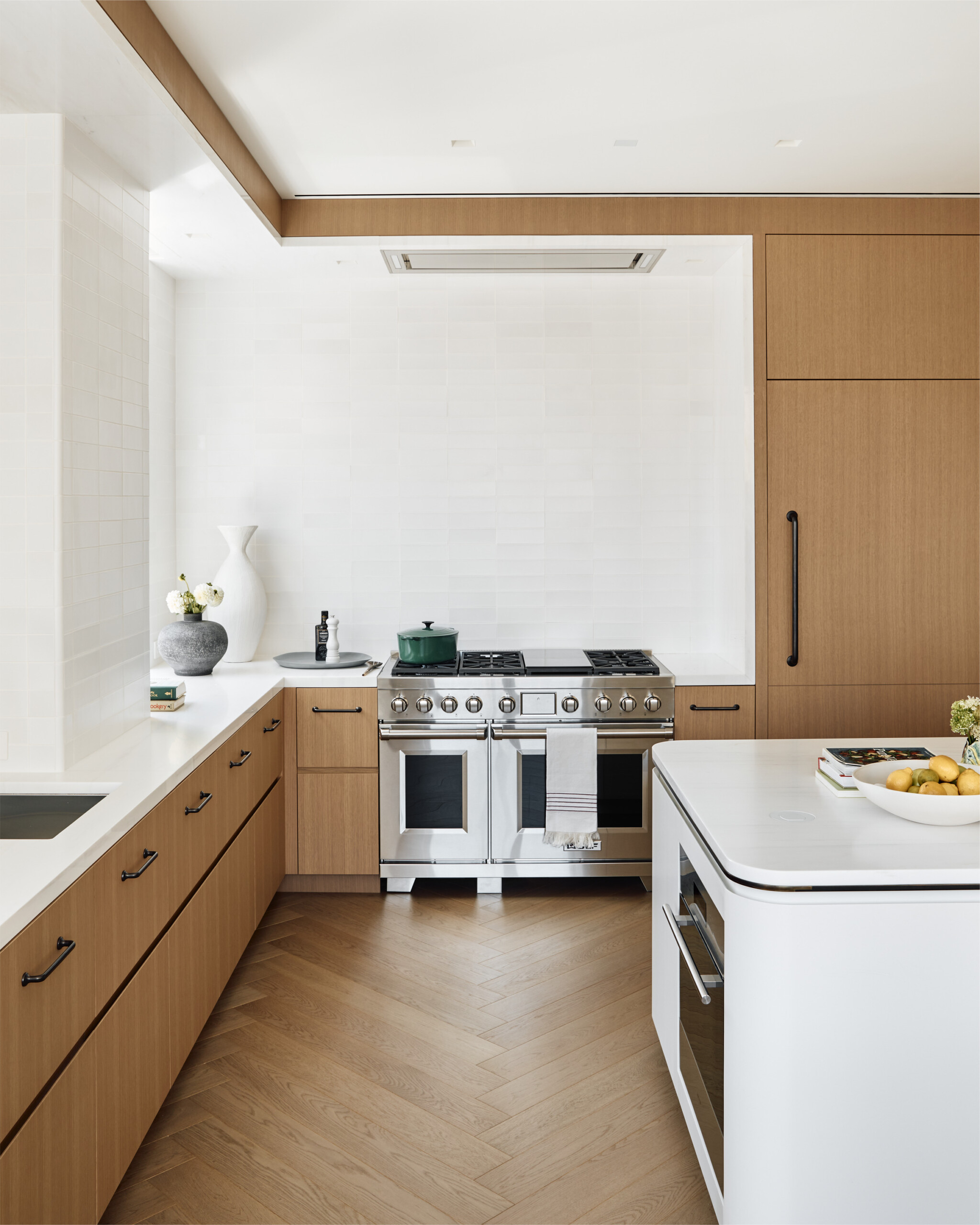
The way tile is laid out shapes the overall style and feel of a space. Chevron is a classic tile pattern that brings energy and rhythm to large surfaces, such as kitchen floors and shower walls. Herringbone, while similar, is distinguished by its stepped zig-zag arrangement rather than Chevron’s precise 45-degree cuts, offering a softer, more traditional look.
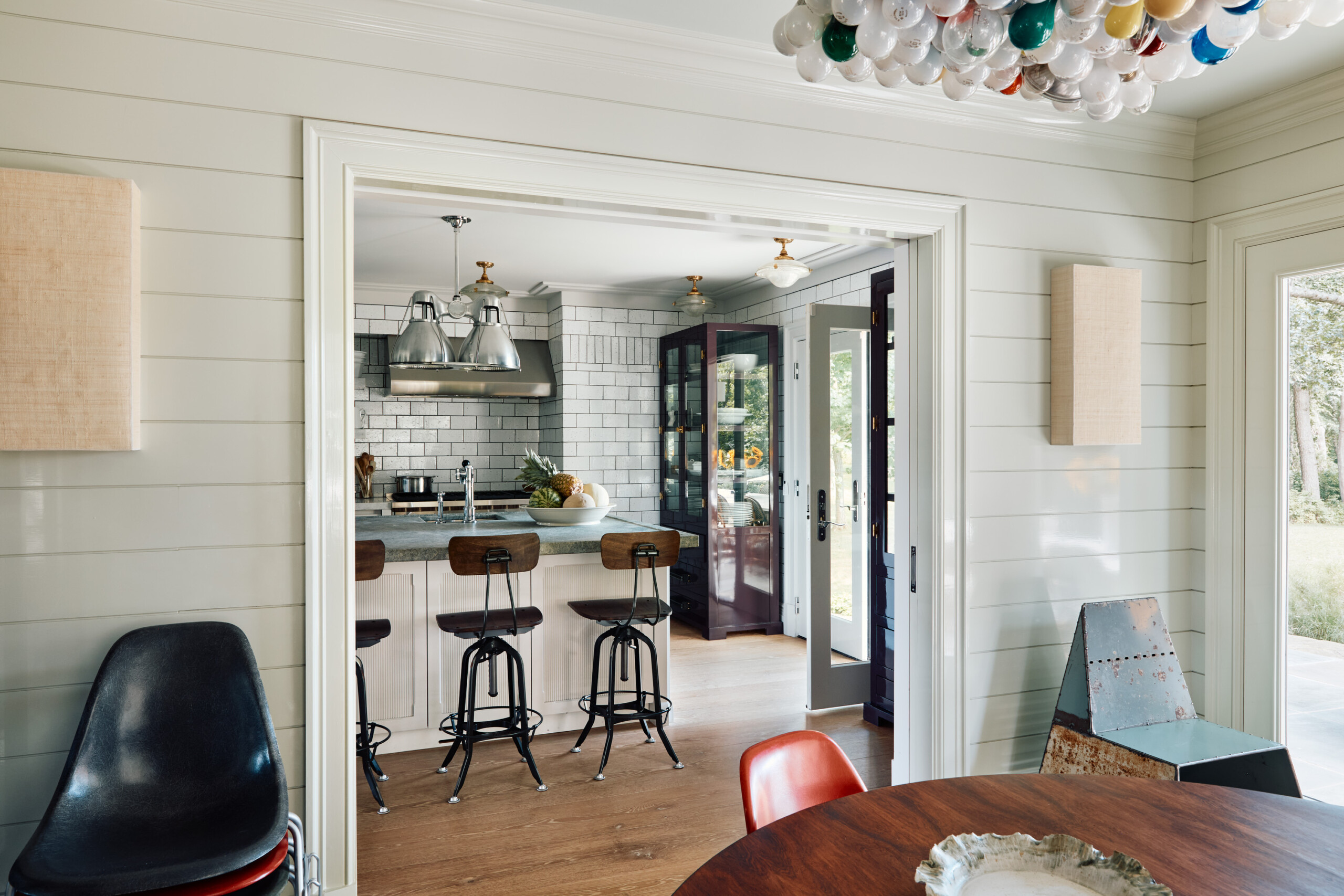
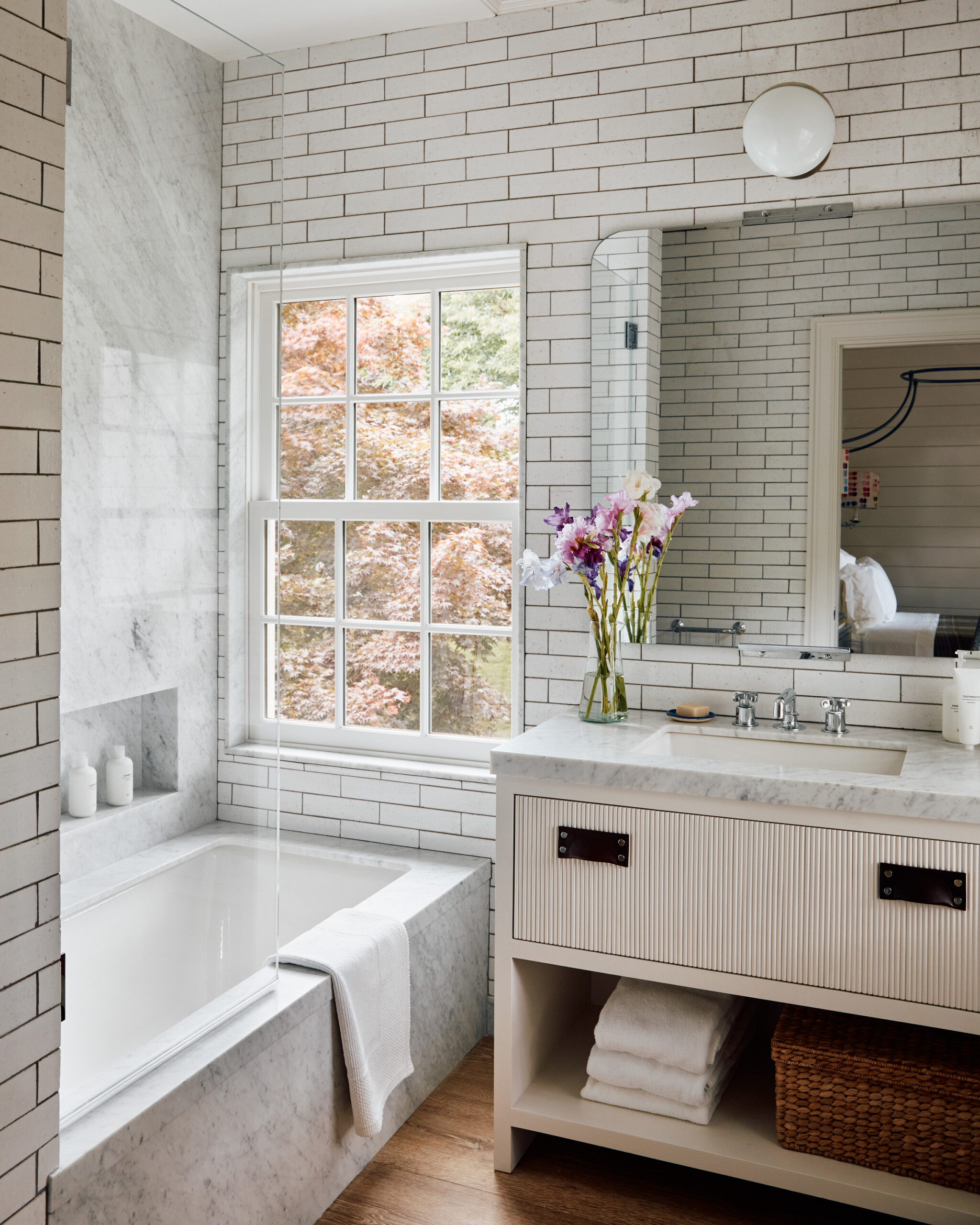
Subway tile has become a modern classic, adaptable to countless layouts beyond the familiar offset brick pattern. Whether stacked vertically, arranged in a step-ladder design, or mixed with alternating colors, these simple rectangles provide a canvas for both timeless and inventive compositions.