A 101 Guide to Luxury Window Treatments
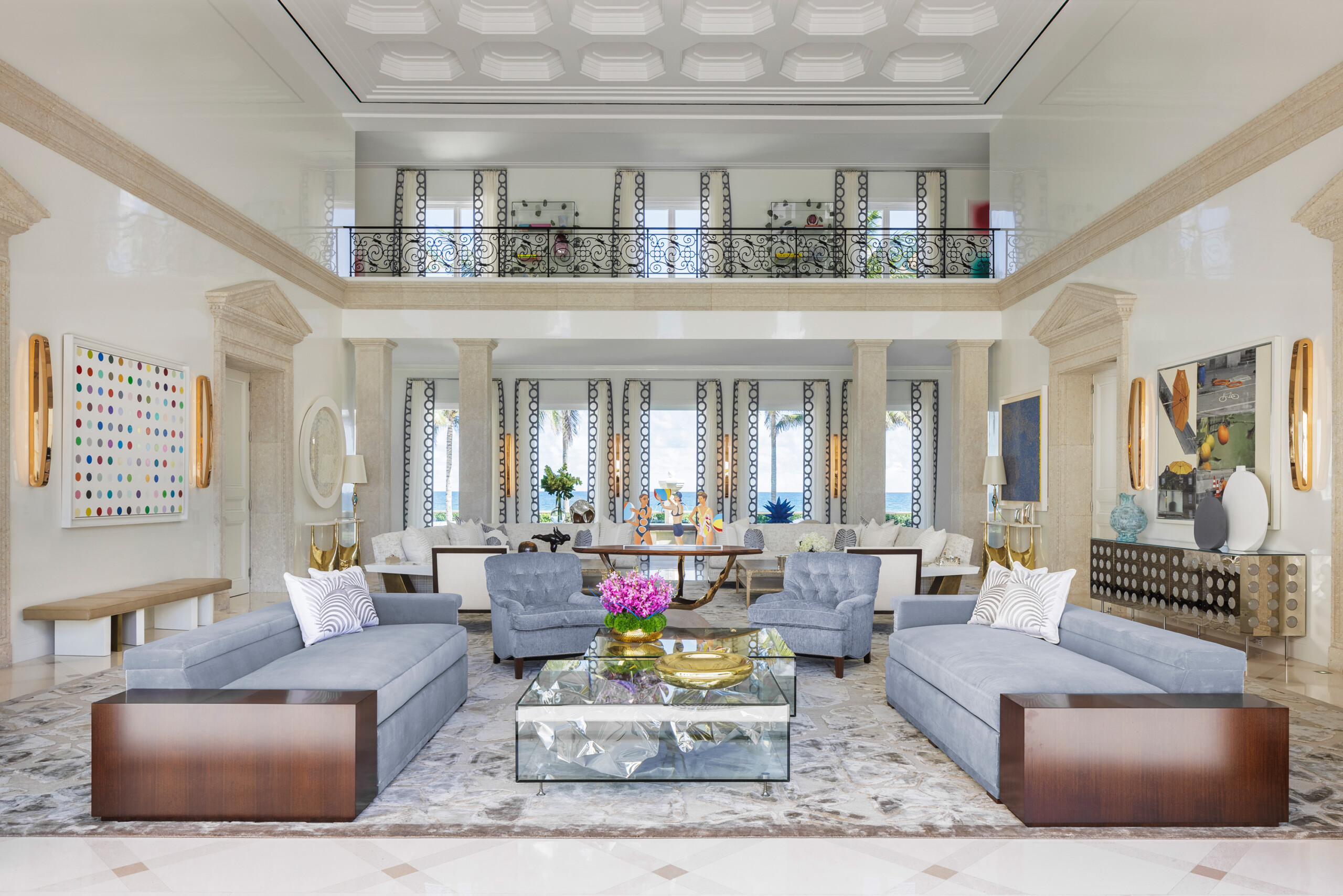
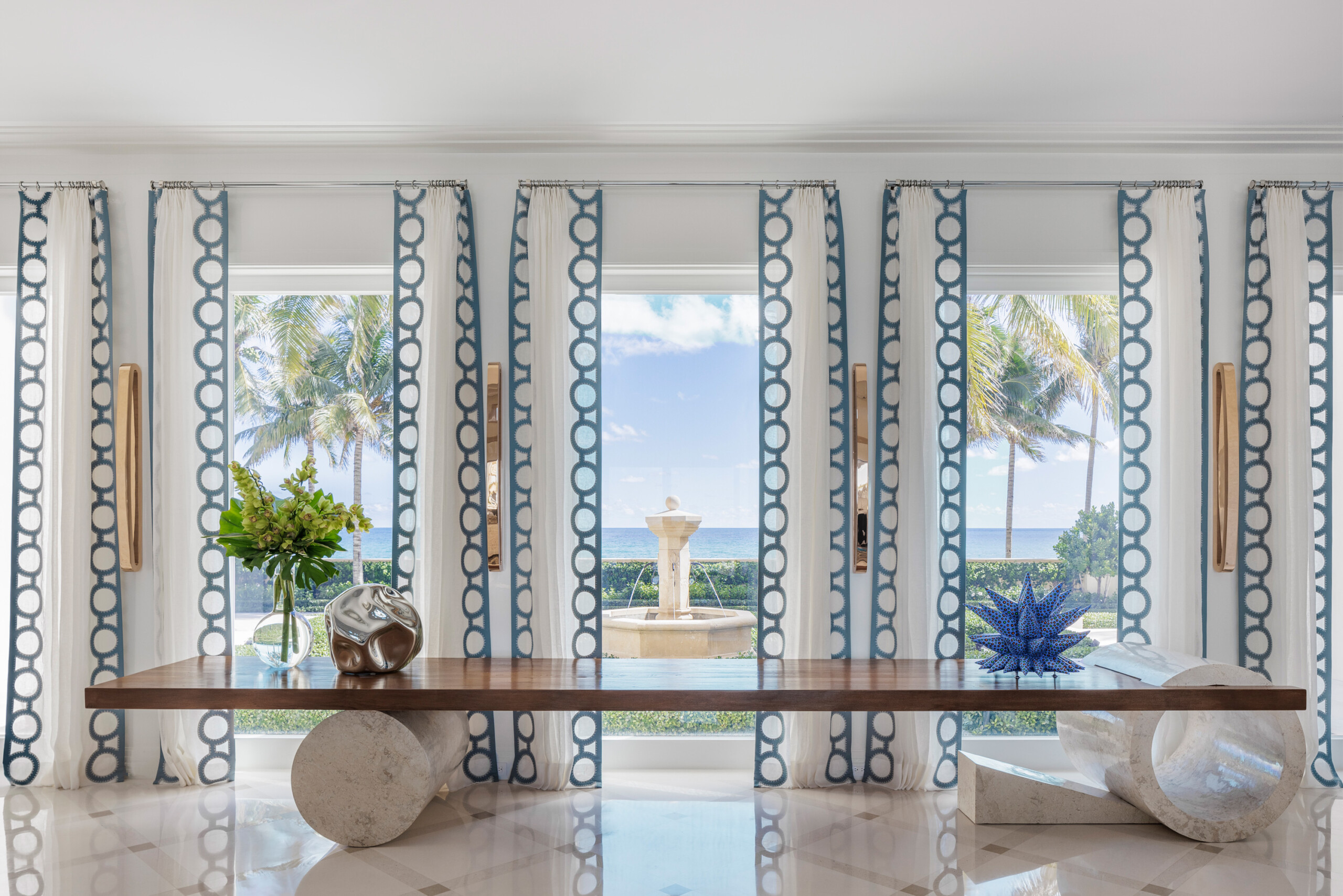
Window treatments are among the most transformative elements in interior design. Beyond controlling light and privacy, they frame architectural views, soften spaces, and add texture or pattern to a room. Window treatments should be thoughtfully integrated from the earliest stages of design. We’ll explore some of the most common styles and configurations of drapery and shades, along with customization opportunities that elevate treatments into bespoke design details.
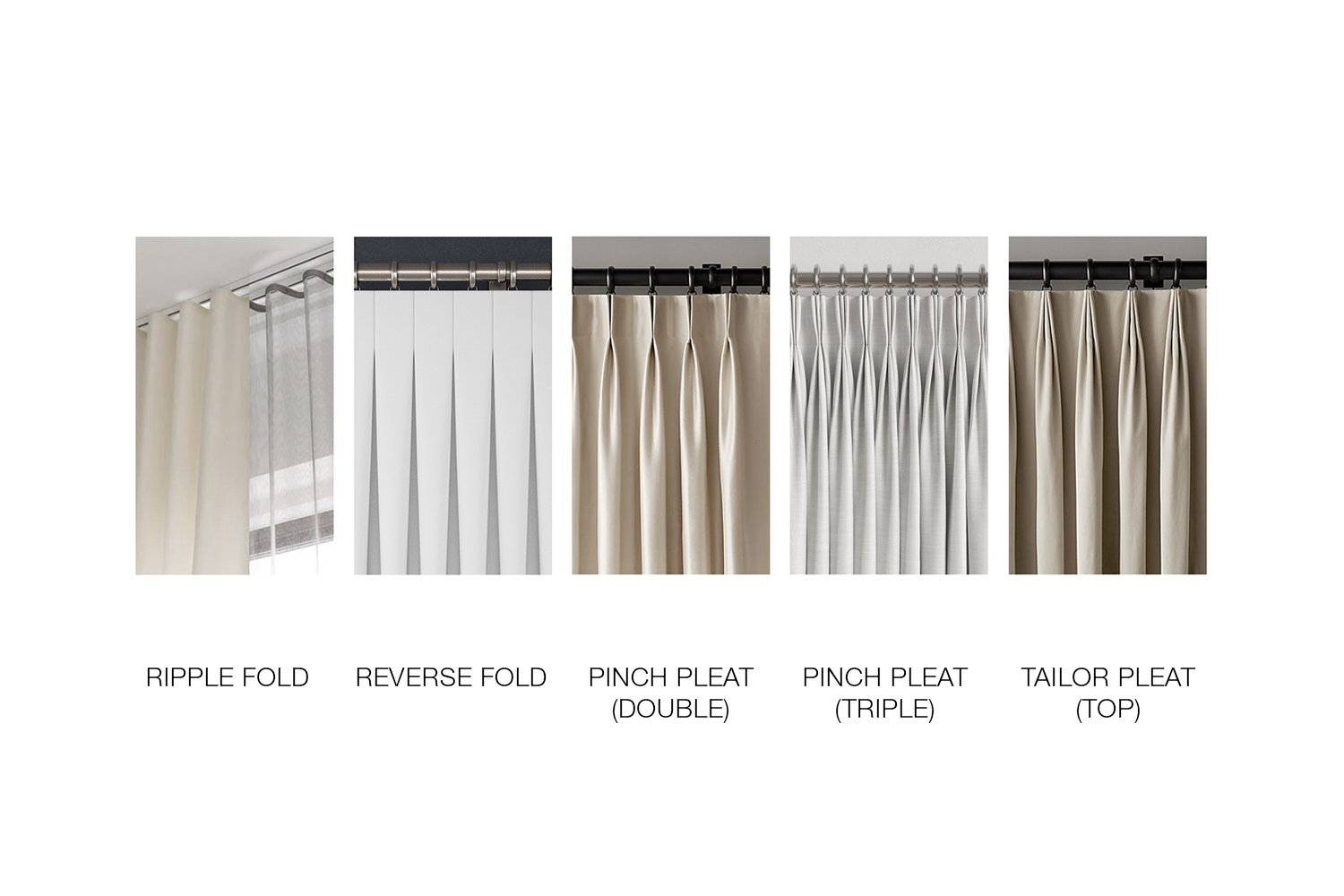
Drapery
Hardware
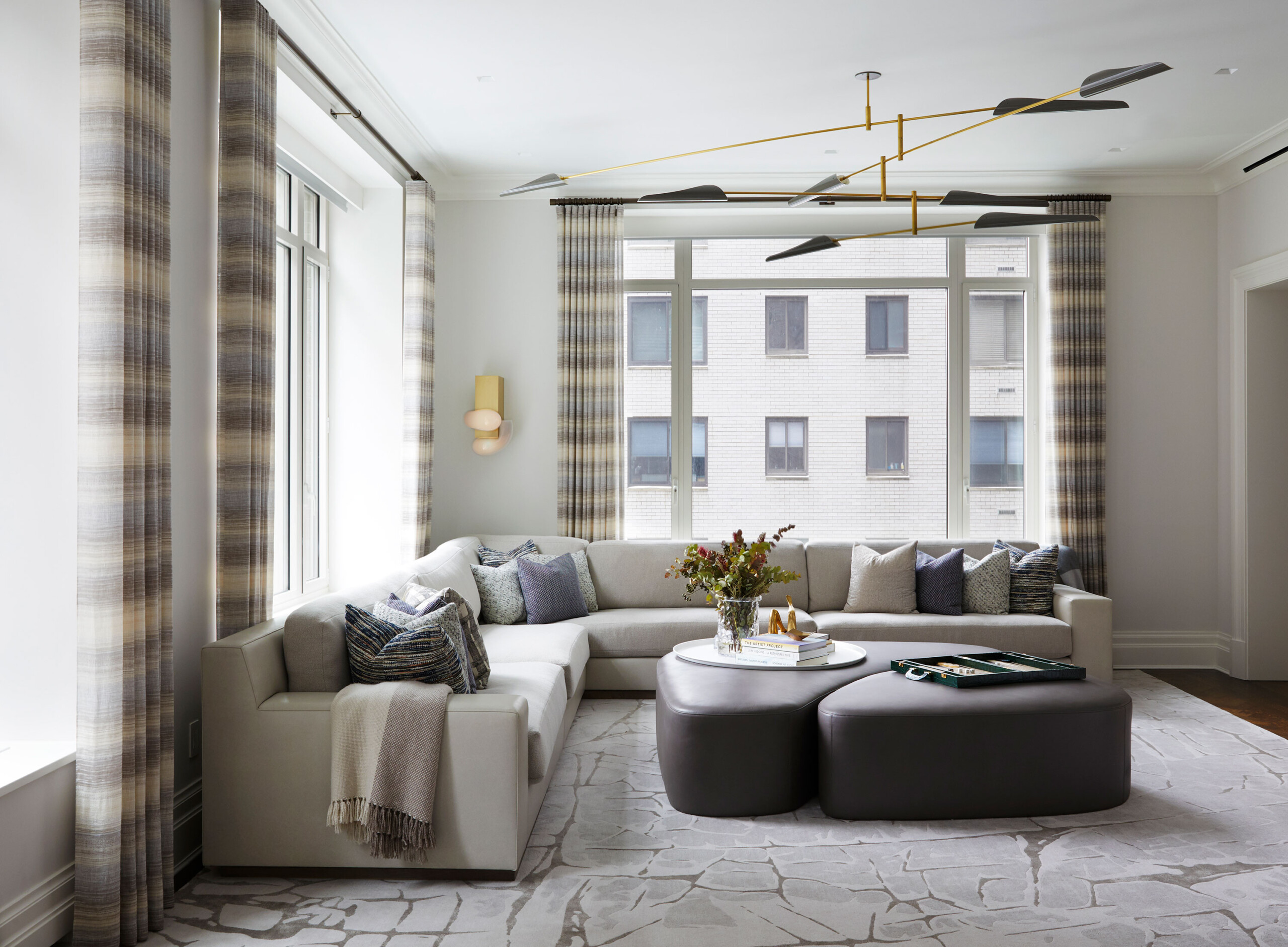
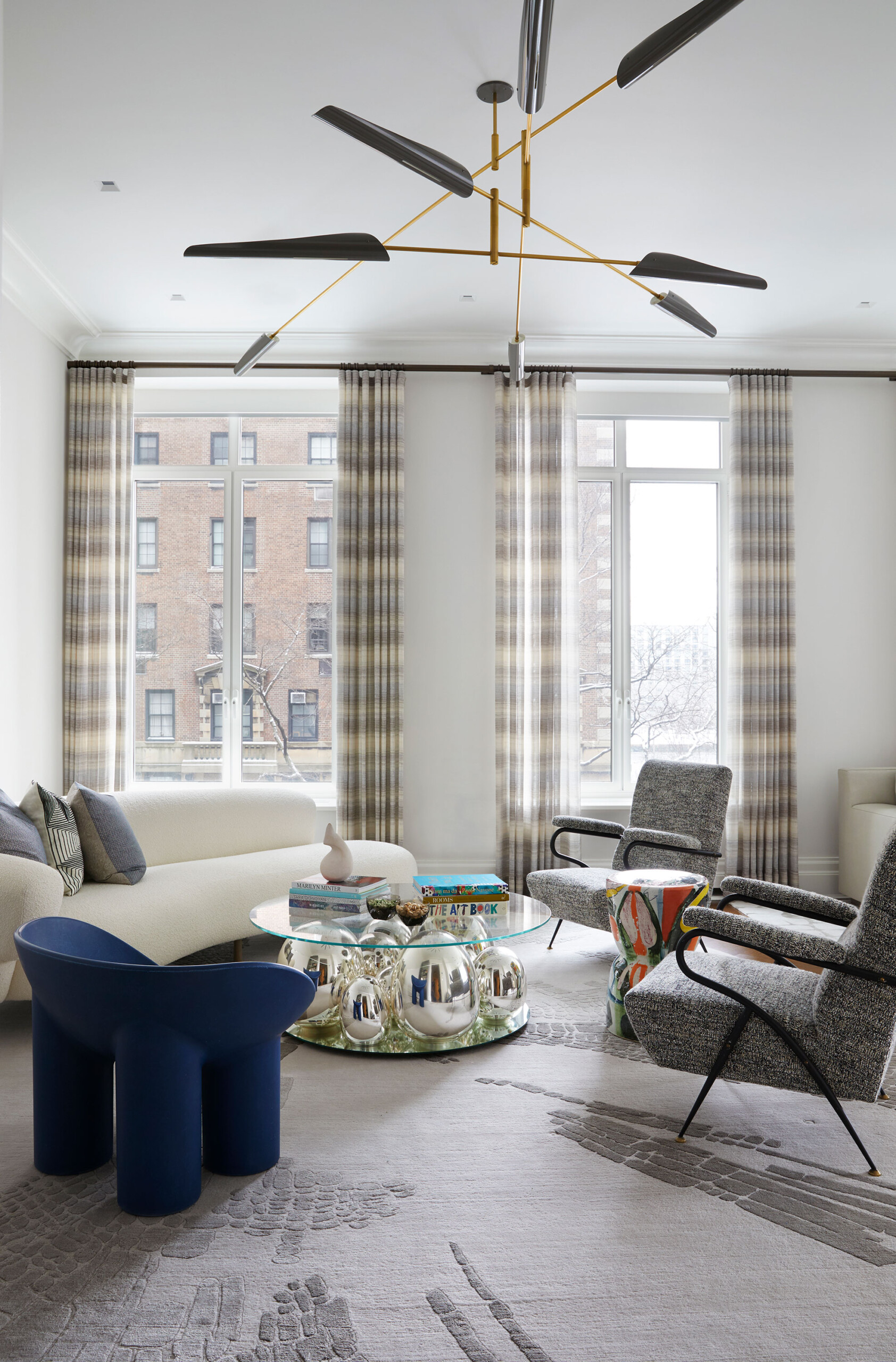
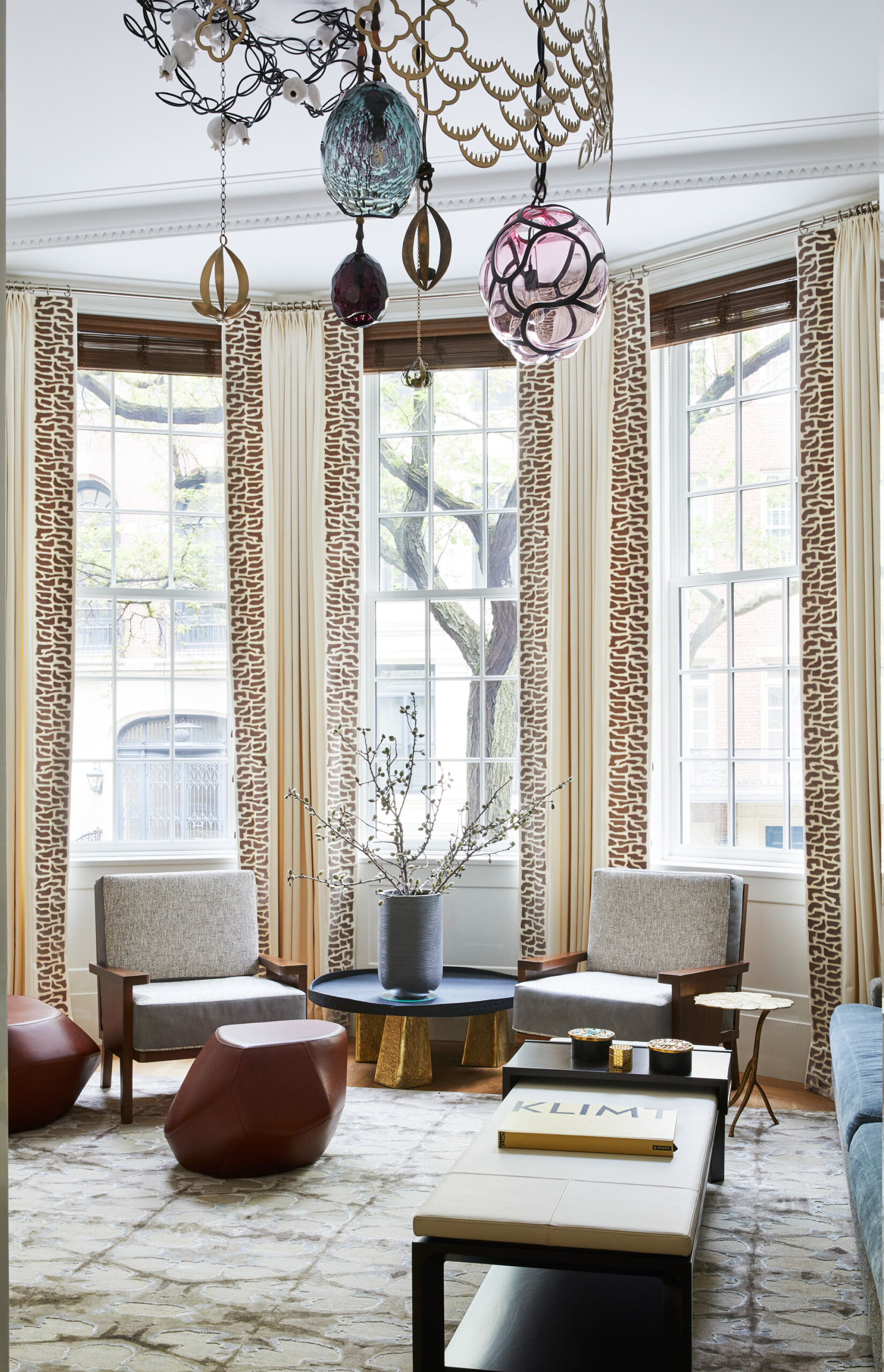
Some interiors call for visible rods, whether round or rectilinear, paired with rings for a refined finish. Modern interiors can benefit from track systems that fade quietly into the background. Recessed tracks allow drapery to appear as though floating from ceiling to floor, while French-return rods eliminate finials for a sleek, continuous line. Every piece of hardware—from rods and brackets to finials, carriers, and tiebacks—contributes to the overall expression and can be customized by finish, shape, and scale.
Roller Shades
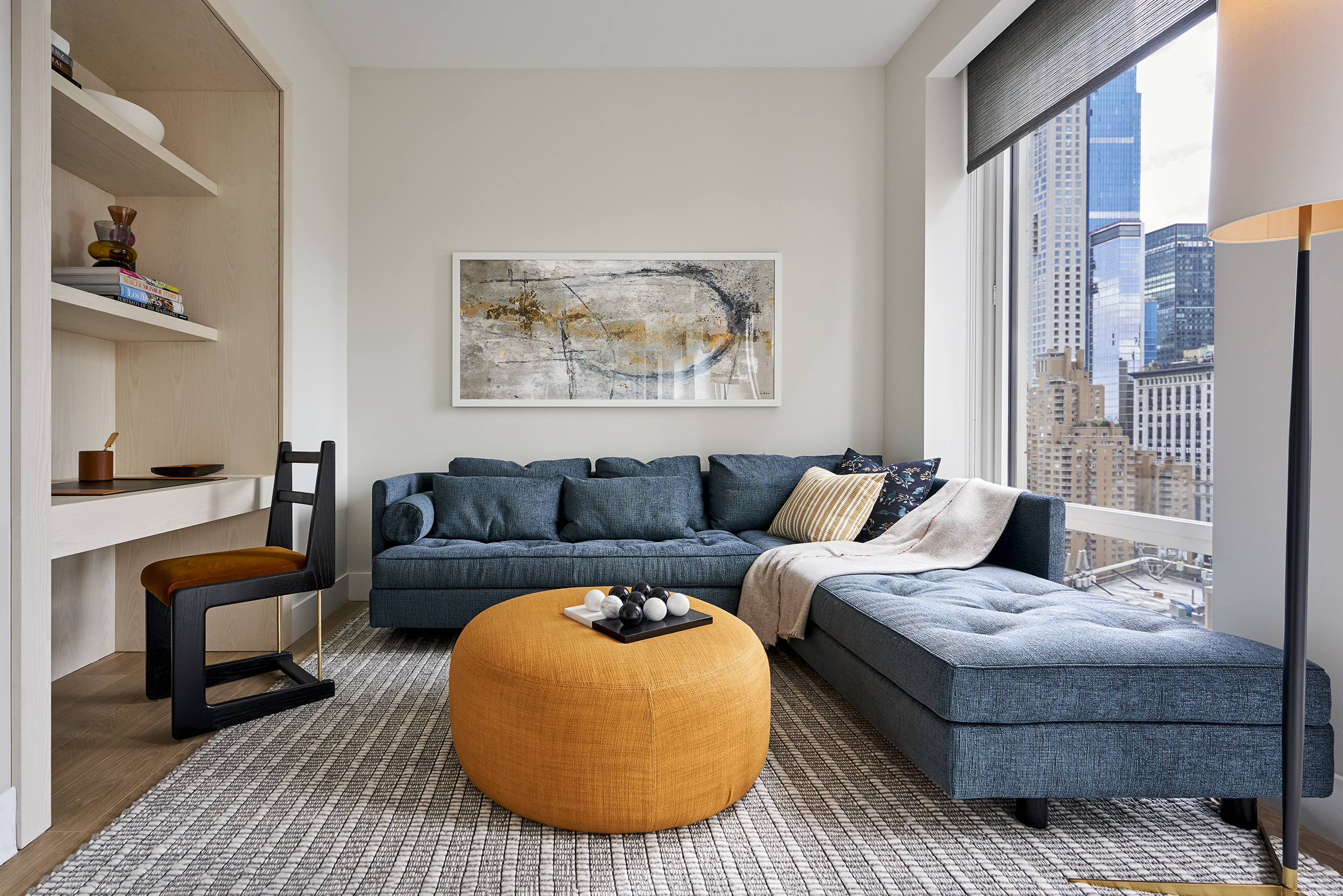
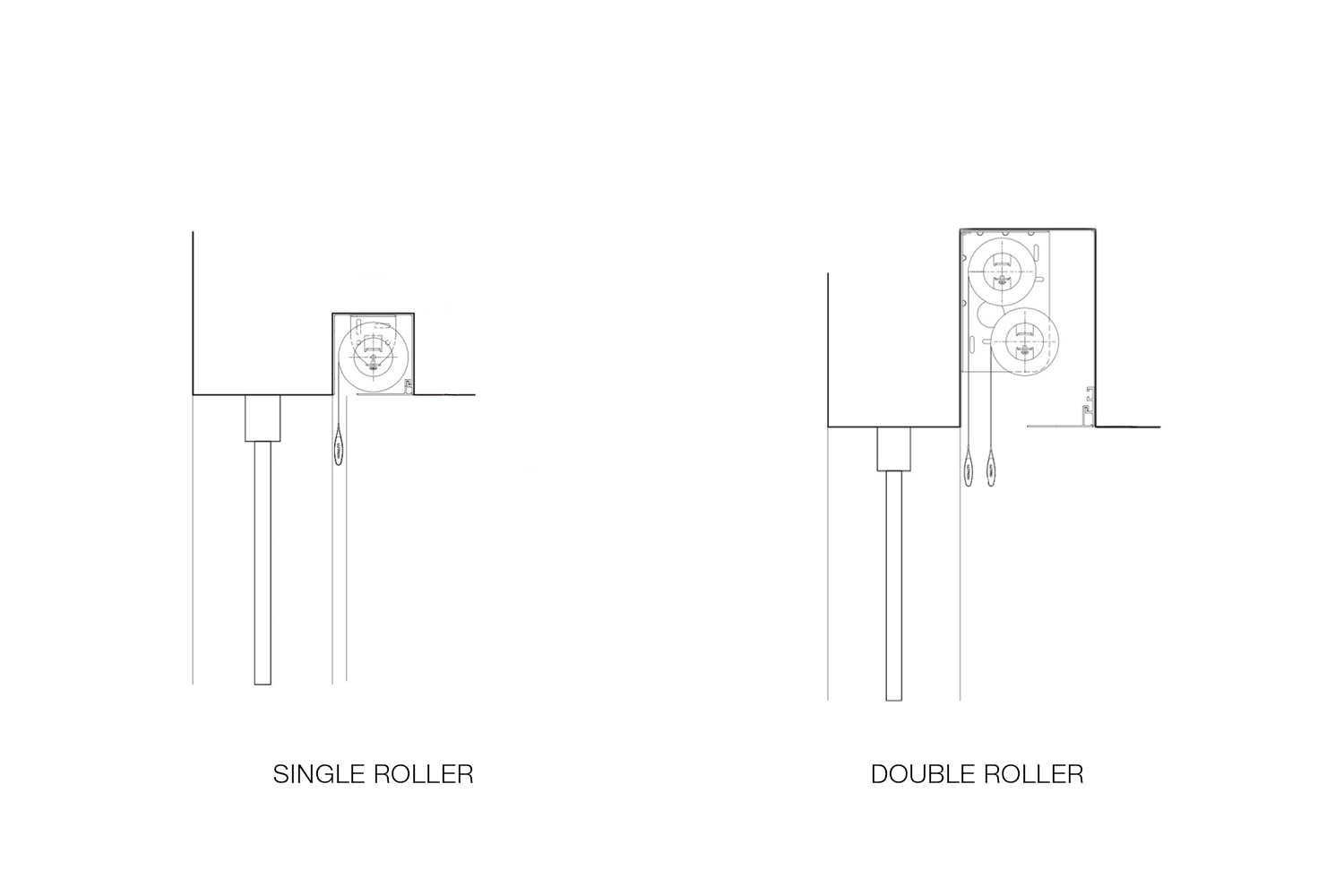
Roller shades provide a streamlined, contemporary option with a minimalist profile that preserves views and maintains clean architectural lines. When mounted in recessed pockets, the mechanism is completely concealed. Because roller shades can temper glare without covering the entire window, they serve as a practical solution and a nice complement to decorative drapery.
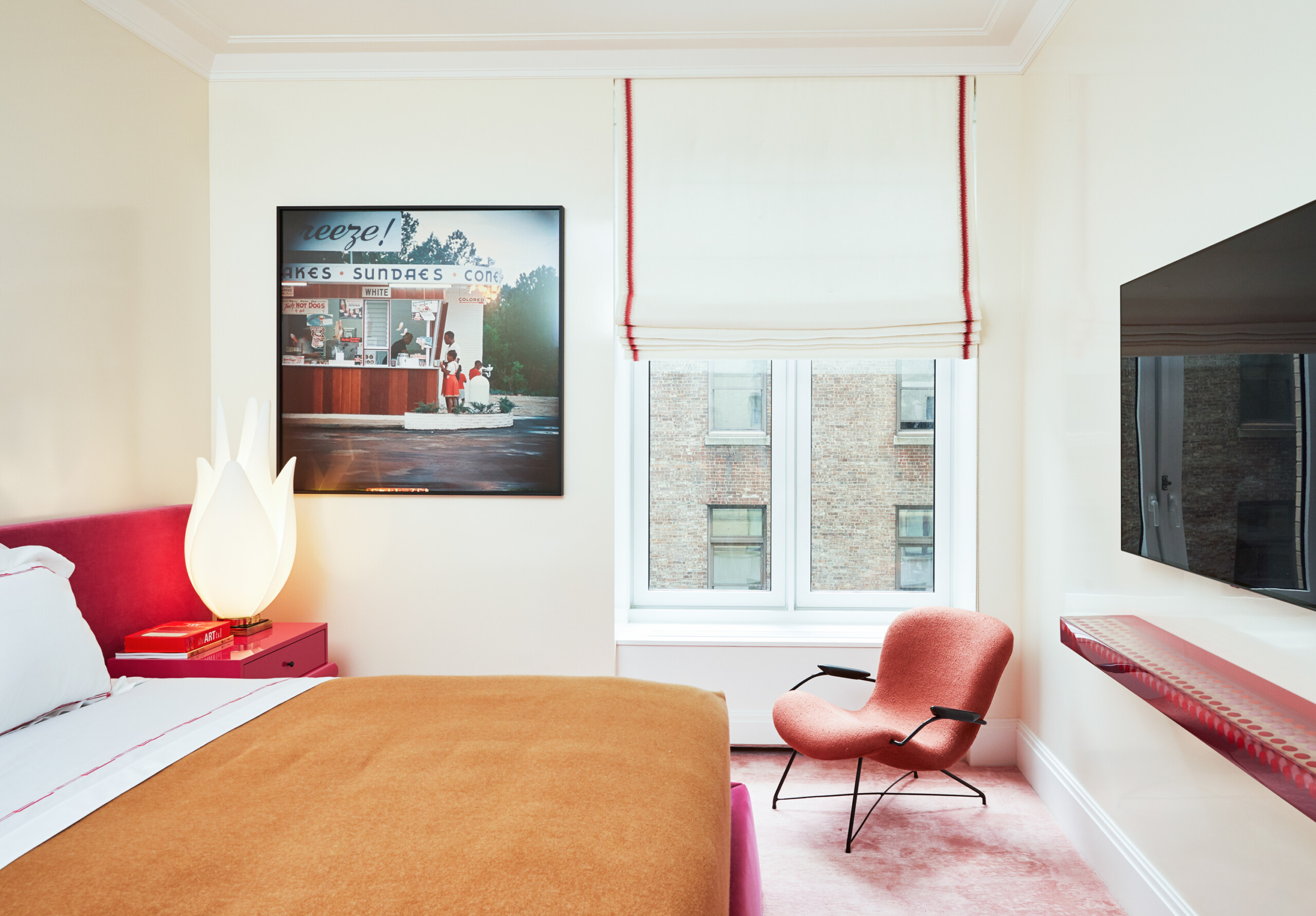

Roman Shades
Mix & Match
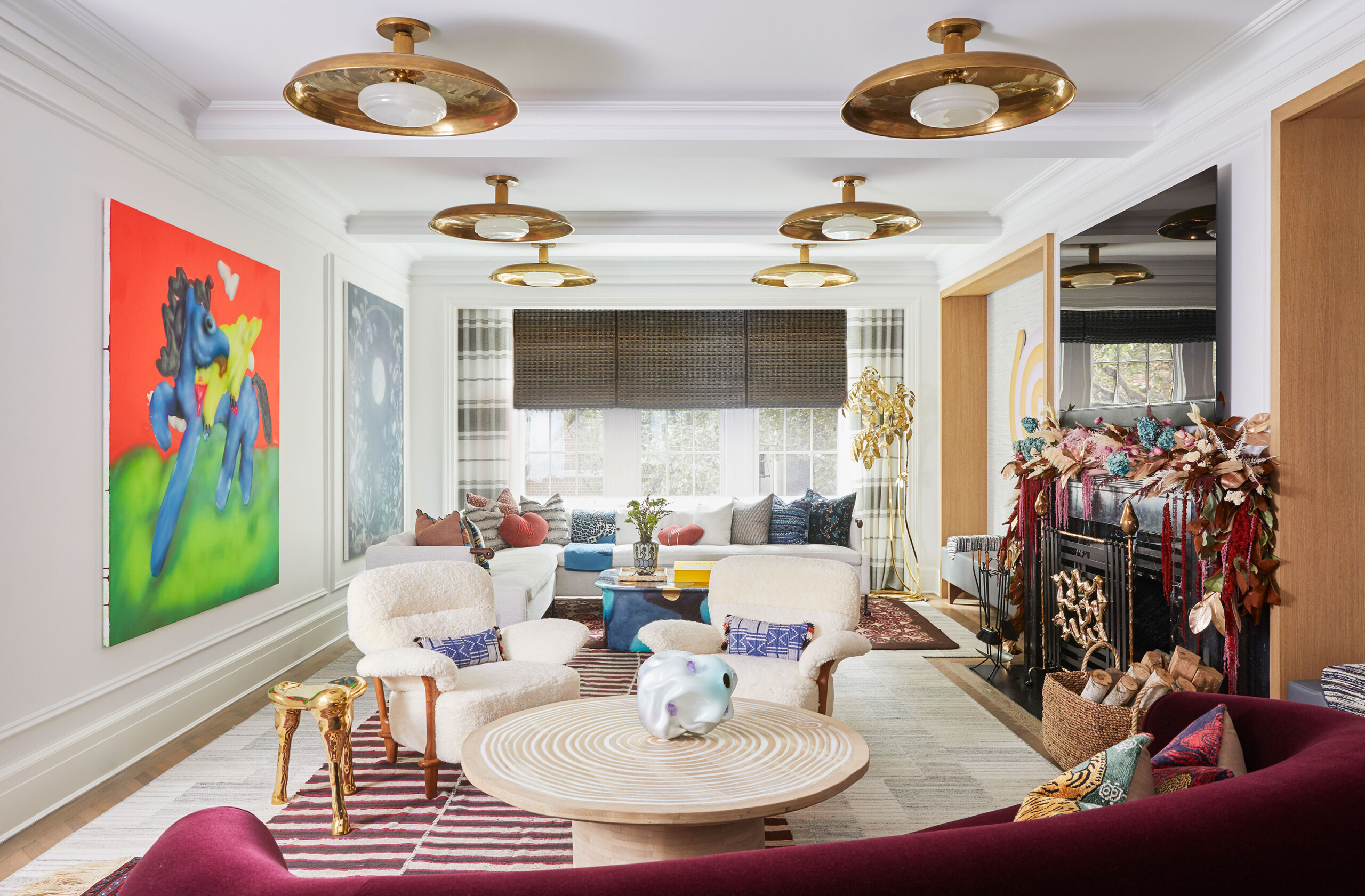
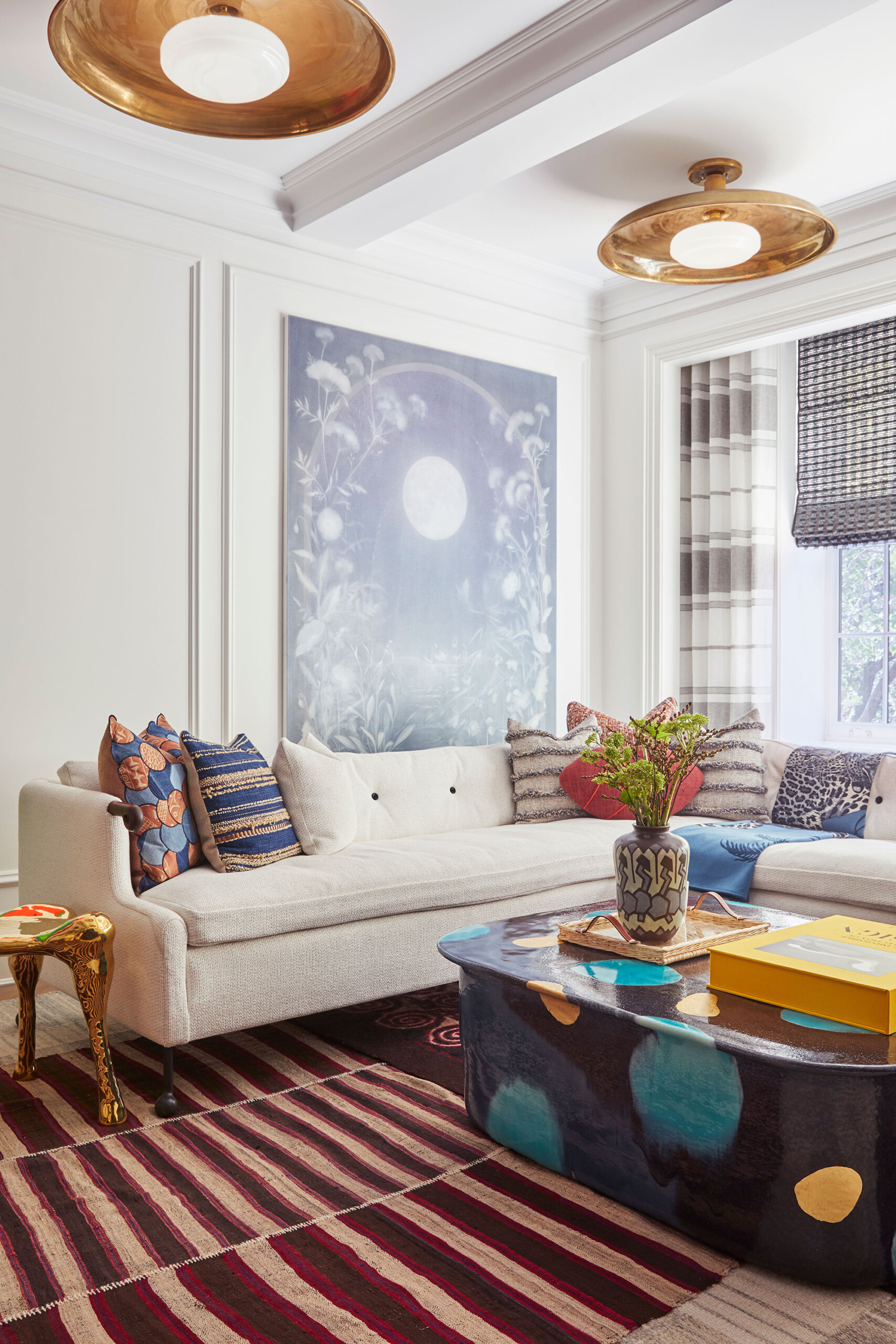
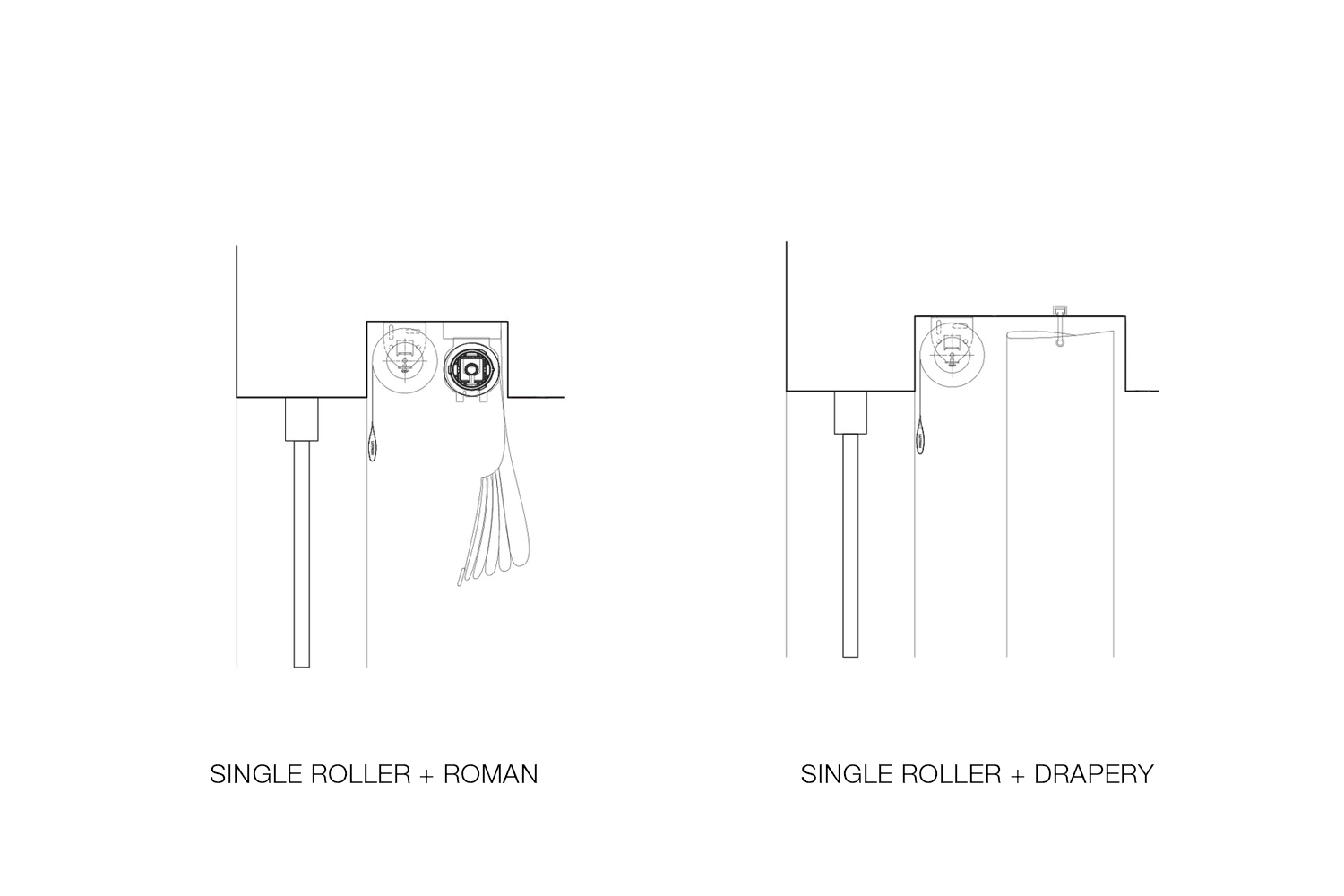
Shades and drapery often work in tandem. Treatments may be fully recessed into pockets so hardware disappears, or layered so roller shades deliver function while drapery introduces softness and dimension. Roman shades are occasionally used as valances to conceal roller shade components, creating a polished look without sacrificing practicality. In some cases, drapery tucks into a wall pocket so panels can stack neatly out of sight, allowing views and natural light to remain uninterrupted.

Customization & Embroidery
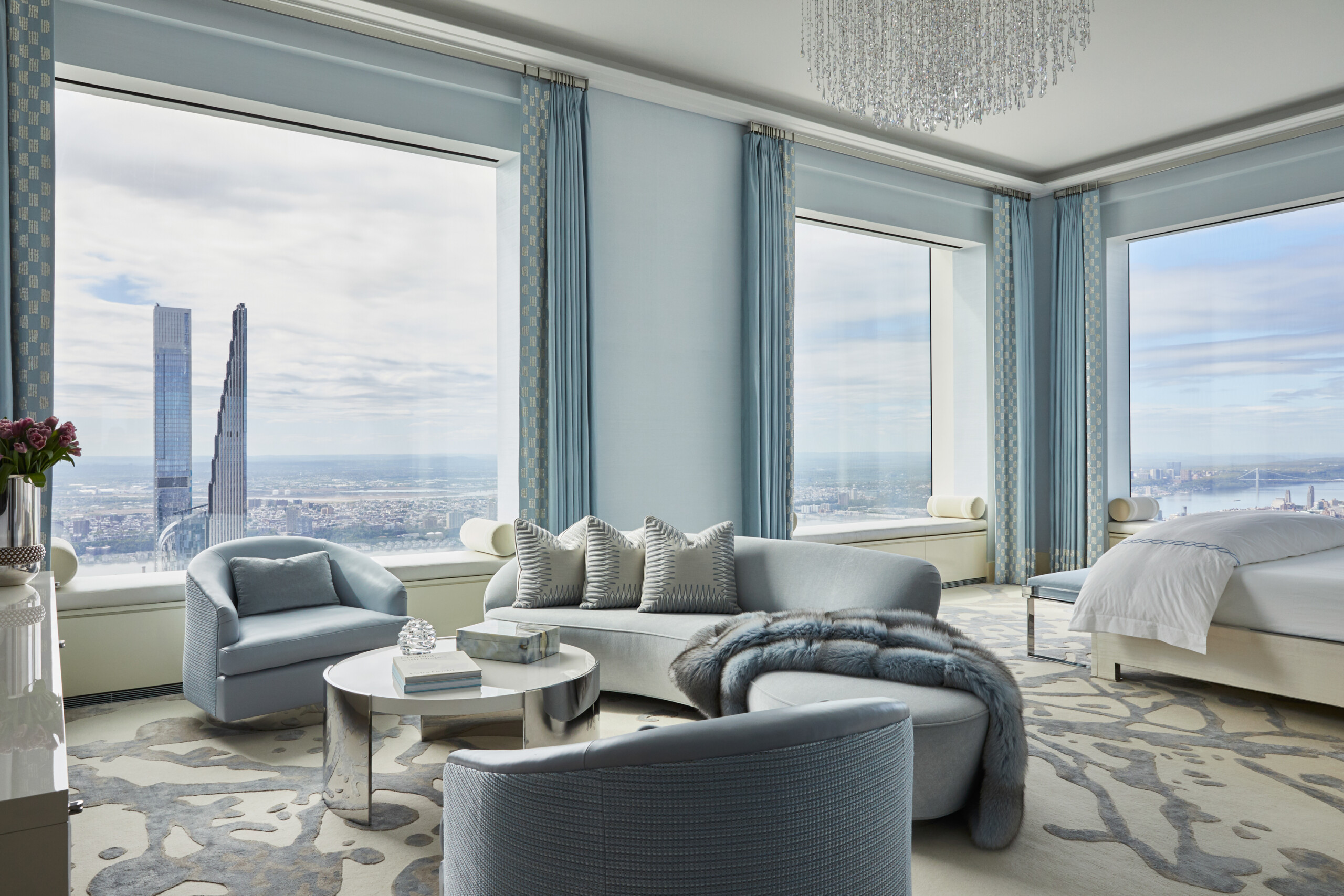
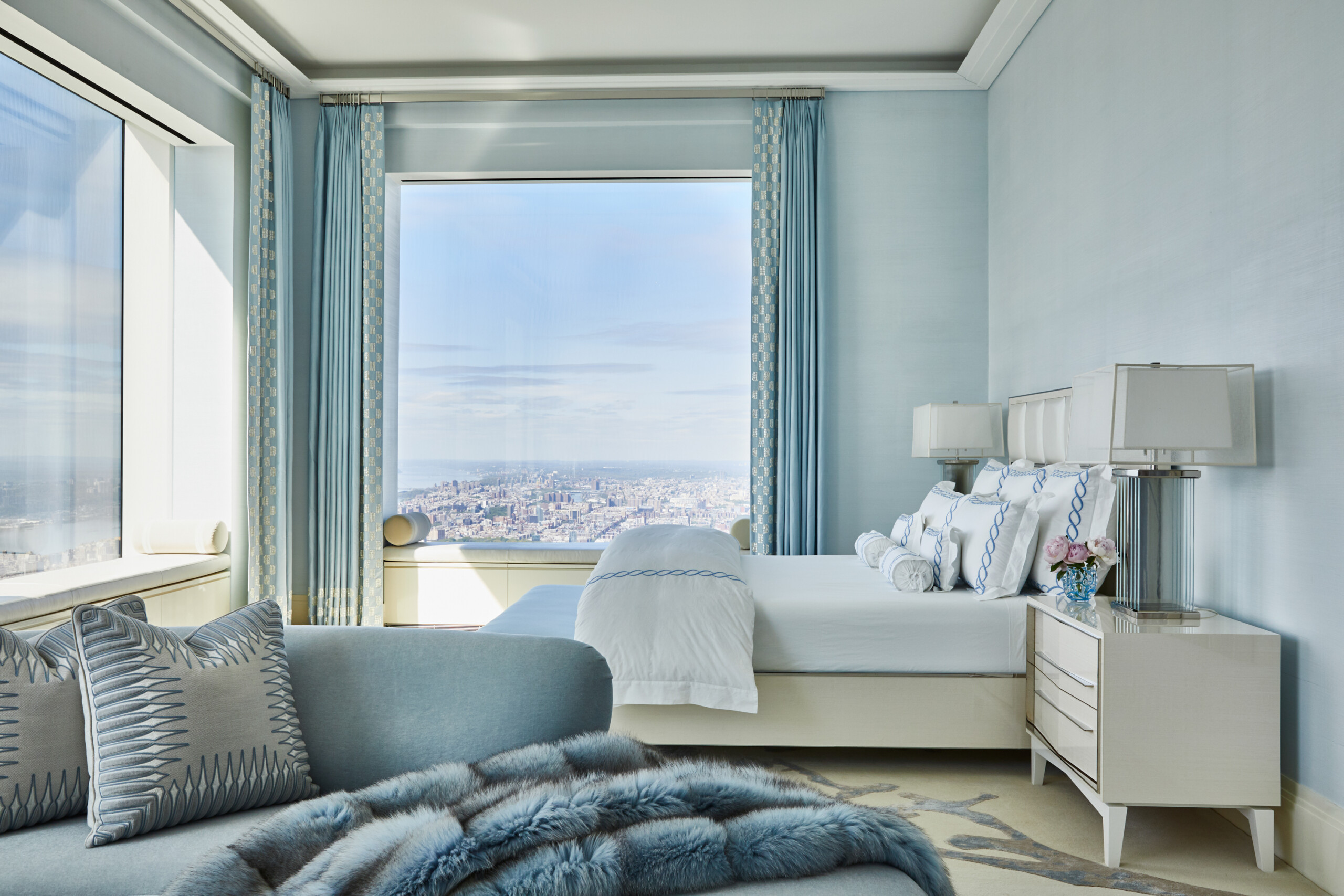
For bespoke projects, custom detailing transforms window treatments into artful design elements. Embroidered borders, contrast edging, and patterned banding add subtle embellishment, while fully embroidered panels or continuous motifs across shades introduce artistry and texture.

Mounting
The mounting location can alter the final effect. Inside-mounted shades create a clean architectural line by sitting neatly within the window frame, while outside mounts can elongate a window and tease the eye to make a space appear taller and grander. Ceiling-mounted hardware emphasizes verticality and creates a floor-to-ceiling moment, whereas wall-mounted solutions offer flexibility when ceilings don’t allow recessing or hardware integration.